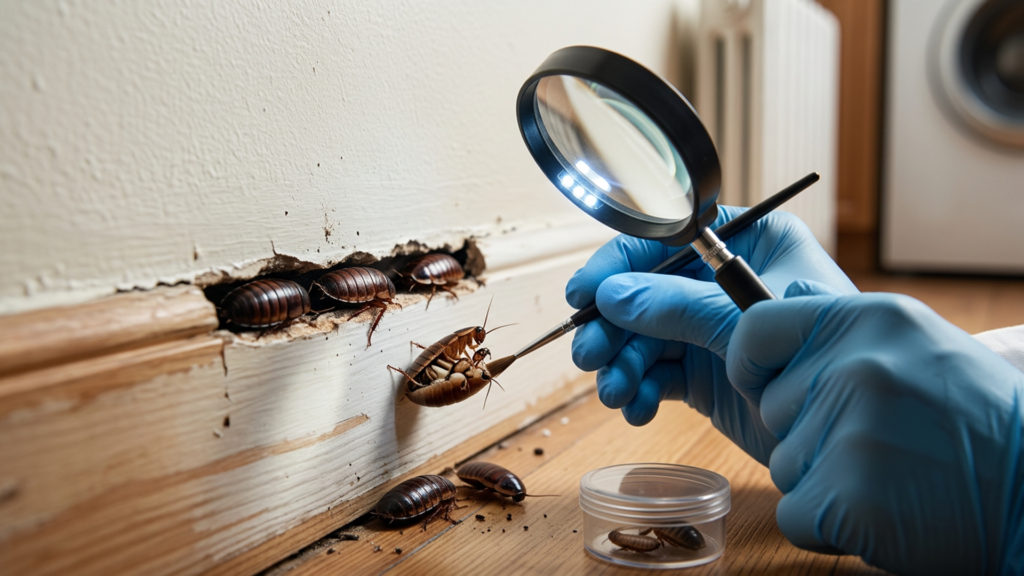
If you’ve squished every roach you’ve seen and still find them skittering across your kitchen floor a month later, you’re not losing your mind — you’re losing the war against their eggs. Cockroach egg casings, called oothecae, are the hidden engine behind NYC’s worst apartment infestations, yet almost no online guide tells you what they actually look like, where they’re hiding in your specific apartment layout, or why they survive most spray treatments. Killing the roaches you can see is only half the battle. This guide focuses specifically on cockroach eggs in NYC apartments — how to identify them, where to search room by room, how to stop them from hatching, and what your landlord is legally required to do about it.
What Do Cockroach Eggs Look Like and How Do You Tell Them Apart From Other Pest Evidence?
Cockroach Oothecae: Size, Shape, and Color by Species
German cockroach oothecae — the species you’re almost certainly dealing with in a NYC apartment — are small (about 8mm), light brown, ridged capsules each containing 30 to 48 eggs. According to Cornell’s Integrated Pest Management program, the German cockroach is by far the most common indoor species in the northeastern United States, and its reproductive capacity is staggering.
American cockroach egg cases are larger, darker brown to reddish, and hold about 14–16 eggs. Oriental cockroach oothecae are nearly black and slightly inflated-looking. But in a typical NYC kitchen or bathroom, it’s the smaller, lighter German roach casing you need to recognize.
Here’s what makes them especially insidious: German roach females carry the ootheca until just before hatching, meaning you may spot one protruding from a live roach’s abdomen. That’s not a deformity — it’s a sign of active breeding in your unit. Each female can produce 4–8 oothecae in her lifetime, meaning a single roach can be responsible for over 200 offspring.
Visual Identification: Eggs vs. Droppings vs. Other Debris
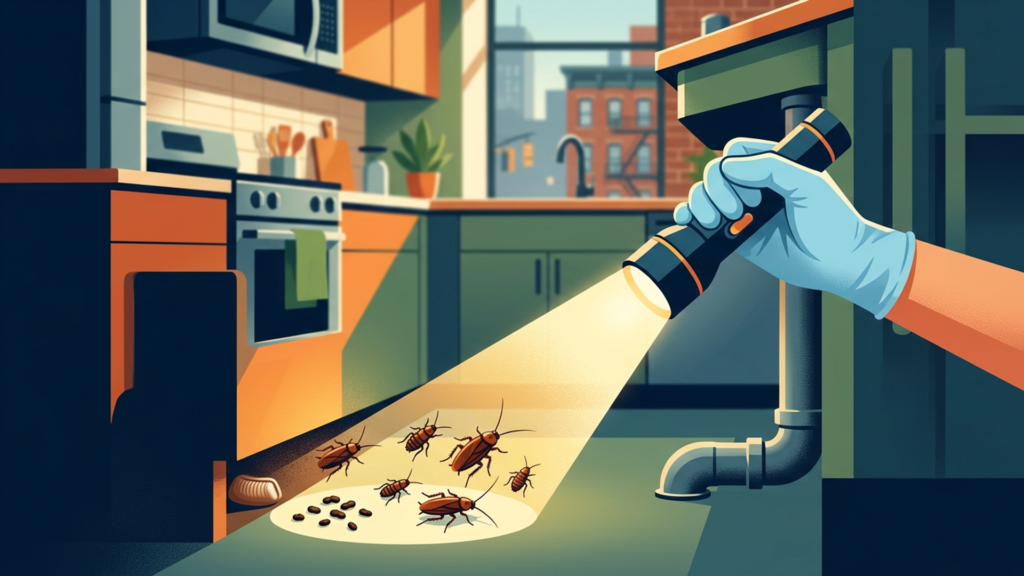
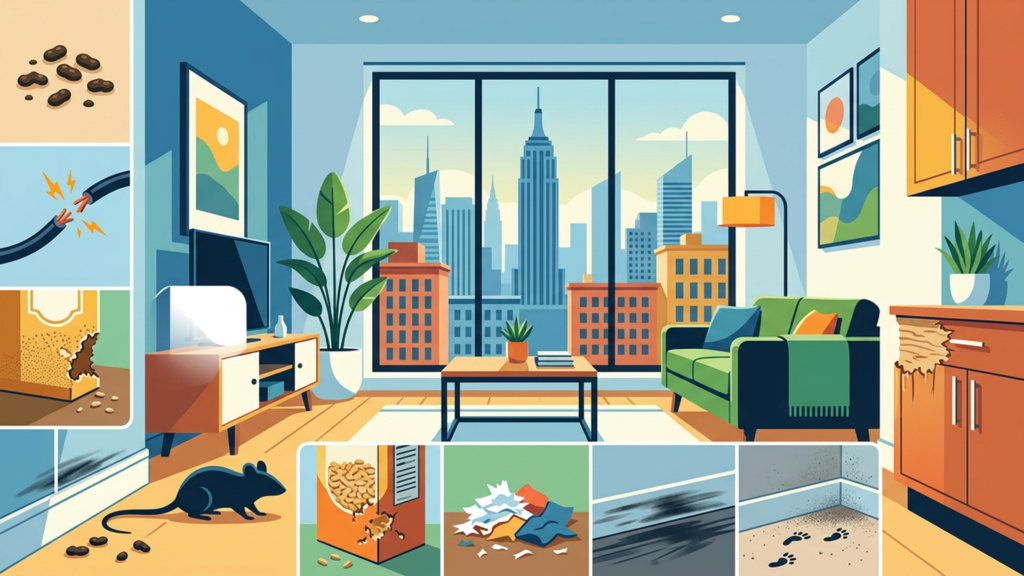
Cockroach droppings look like black pepper specks or coffee grounds and smear when wet. Egg casings, by contrast, are symmetrical, pill-shaped, and have a visible ridge or seam along one side. They’re rigid, not crumbly.
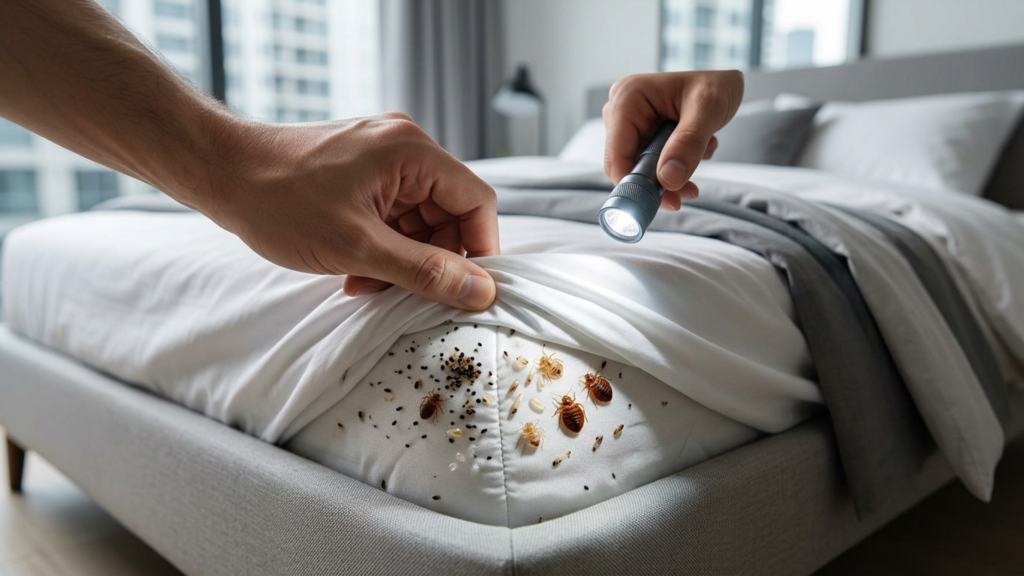
Bed bug eggs are pearly white, tiny (about 1mm), and sticky — completely different from the brown, rigid cockroach ootheca. If you’re dealing with both pests simultaneously, which isn’t uncommon in NYC, our guide on getting rid of bed bugs in Queens covers that side of the equation.
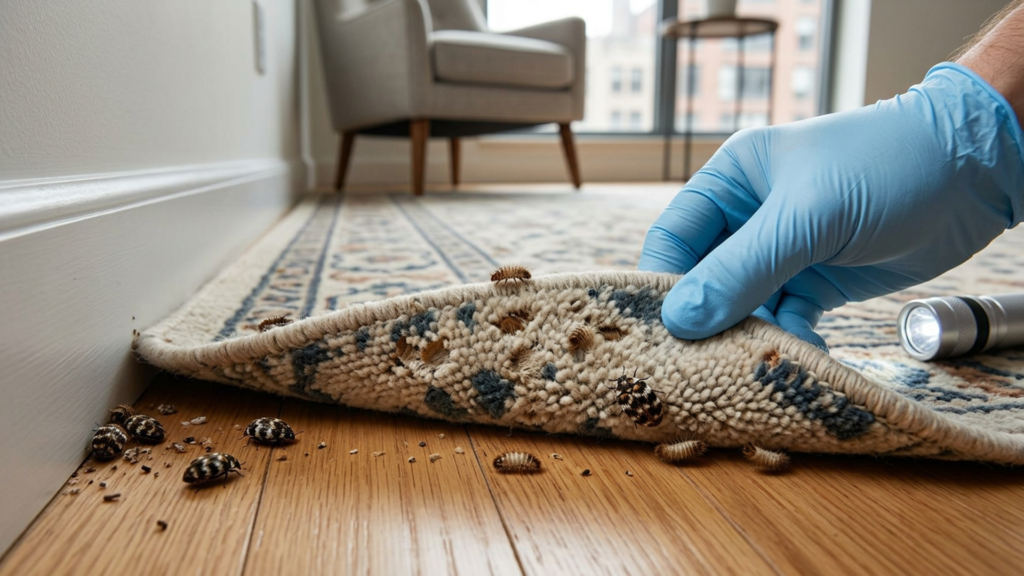
Old shed skins (exoskeletons) are translucent and roach-shaped, while egg casings are compact capsules. Finding both together indicates a multi-generational infestation that’s been breeding in your unit for weeks or months.
If you’re unsure what you’ve found, place the suspected casing on white paper and photograph it next to a penny for scale. This documentation also helps if you need to file an HPD complaint later.
Hatching Timelines and What They Mean for Your Treatment Plan
German cockroach eggs hatch in approximately 28 days at room temperature. This is precisely why infestations “come back” exactly one month after a spray treatment — the adults died, but the eggs were untouched.
Warmer NYC apartments, especially those with steam heat radiators, can accelerate hatching to as few as 20 days. A single missed ootheca behind your refrigerator can release 40+ nymphs, restarting the entire cycle after you thought the problem was solved.
Where Are Cockroach Eggs Hiding in Your NYC Apartment?
Room-by-Room Search Guide for Typical NYC Layouts
- Kitchen: Check under the sink around pipe penetrations, inside cabinet door hinges, behind the refrigerator compressor motor, underneath the stove’s bottom drawer, and inside the gap between countertops and walls.
- Bathroom: Inspect behind the toilet tank, inside medicine cabinet crevices, around exposed radiator pipes, and beneath the vanity. Warm, humid bathrooms are prime German roach breeding sites.
- Living areas and bedrooms: Pull furniture away from walls and check along baseboards, inside electronics (cable boxes, gaming consoles, power strips), behind picture frames, and around radiator covers.
- Entryways and closets: Examine door frame gaps, coat closet corners, and any cardboard storage boxes. Roaches are attracted to cellulose and will lay eggs inside corrugated cardboard folds.
Hidden Hotspots Most NYC Renters Miss
Inside the motor housing of your refrigerator and dishwasher is one of the most overlooked locations — the warmth from these appliances creates an ideal microclimate for egg development. Many renters in older buildings who pursue cockroach control in Astoria and similar neighborhoods report finding the heaviest egg concentrations behind kitchen appliances they’d never moved.
Behind peeling wallpaper and inside wall outlet covers, especially in pre-war apartments, gaps behind plates lead directly to wall voids teeming with roaches. Underneath shelf liner paper in kitchen cabinets is another common site — oothecae can be glued flat to surfaces and blend in perfectly with brown paper.
Don’t overlook your bookshelves. Roaches are attracted to cellulose and binding glue, making book spines and stacked paper a frequently overlooked egg-laying site — a major concern when moving between apartments.
Sensory Signs of a Severe Egg-Laying Infestation
A musty, oily odor in enclosed spaces like under sinks or inside cabinets indicates a heavy infestation with active breeding. Professional exterminators identify this smell immediately.
Brown smear marks along cabinet edges and wall joints are a combination of droppings and secretions that often surround egg-laying sites. Finding multiple empty, already-hatched oothecae means the infestation has been reproducing through several generations and requires aggressive treatment far beyond surface sprays.
Why Do Cockroach Eggs Survive Extermination Treatments and Keep Coming Back?
The Ootheca’s Built-In Chemical Resistance
The hard protein shell of the ootheca is largely impermeable to contact sprays and surface pesticides. As the NY State Department of Health notes, most conventional treatments kill adult roaches but leave eggs completely unaffected.
German cockroach females carry eggs until they’re nearly ready to hatch, reducing the window of time the casing is even exposed to treated surfaces. This is the primary reason NYC renters experience the frustrating cycle of “exterminator comes, roaches disappear for three weeks, then they’re back.” The eggs were never addressed.
Insect Growth Regulators (IGRs): The Missing Piece Most Renters Don’t Know About
IGRs like Gentrol (hydroprene) are EPA-registered products that mimic juvenile cockroach hormones, preventing nymphs from developing into reproducing adults even after they hatch. Unlike knockdown sprays, IGRs break the reproductive cycle — they don’t kill on contact but ensure the next generation is sterile or unable to mature.
Professional exterminators use IGRs as part of a two-phase approach: immediate knockdown with an aerosol, followed by residual crack-and-crevice treatment combined with an IGR. If you’re scheduling cockroach control in New York County, ask specifically whether they’re using an IGR component. If they’re only spraying a general pesticide, your egg problem is not being addressed.
Residual Treatments That Actually Reach Egg-Laying Sites
Alpine WSG (water-soluble granule) is a professional-grade residual product effective against German roaches when applied to warm, moist harborage areas where eggs are deposited. Residual treatments remain active on surfaces for weeks after application, killing nymphs as they emerge from oothecae — fundamentally different from one-time knockdown sprays.
For DIY renters, combining Advion gel bait (applied in small pea-sized dots inside cracks, under sinks, and behind appliances) with boric acid dust in wall voids creates a layered approach that addresses both adults and newly hatched nymphs.
How Can You Eliminate Cockroach Eggs Yourself With a Step-by-Step DIY Plan?
Immediate Actions When You Find Egg Casings
Crush or vacuum any visible oothecae immediately. Do not simply throw them in an open trash can, as eggs may still be viable — flush them or seal them in a zip-lock bag.
Vacuum all crevices, cabinet interiors, and appliance gaps with a HEPA vacuum to remove eggs, droppings, and allergens. Dispose of the vacuum bag in a sealed outdoor trash container.
Apply Advion gel bait in small dots (not lines) every 6–12 inches along cracks, crevices, pipe penetrations, and cabinet hinges. The overwhelming consensus from NYC renters and retired exterminators is that this product works within days to weeks, even in heavily infested buildings. Supplement with a borax-and-flour mixture (1:1 ratio) along counter edges and behind appliances as a secondary contact treatment.
Long-Term Egg Prevention Protocol
Seal every pipe penetration, wall crack, and cabinet gap with caulk. In pre-war and older NYC buildings, these entry points connect your unit to neighboring apartments and wall voids where roaches breed communally.
Replace all cardboard storage boxes with sealed plastic bins. Remove shelf liner paper and unnecessary paper clutter that provides egg-laying substrate. Maintain extreme cleanliness as ongoing defense: no dishes in the sink overnight, food in sealed containers, grease cleaned from stove surfaces, and pet food bowls emptied after feeding.
Reapply gel bait monthly and inspect known hotspots on a regular schedule — as the NYC healthy home guide emphasizes, building-level infestations require ongoing unit-level vigilance even after visible roaches disappear.
Moving Without Bringing Cockroach Eggs to Your New Apartment
Bag every item individually in sealed garbage bags at least one month before your move date. Inspect each item as you pack, paying special attention to book spines, electronics, and furniture joints.
Do not bring cardboard moving boxes from your infested apartment — use new plastic bins or purchase fresh boxes. Wash all clothing and linens on high heat before packing. For electronics, seal them in bags with a Nuvan ProStrip (dichlorvos strip) for 48 hours to kill any hidden eggs or nymphs.
At your new apartment, unpack gradually and inspect each item again before placing it in cabinets or closets. Apply preventive gel bait before moving furniture in — residents across the boroughs who arrange pest control in New York County often schedule a preventive treatment before move-in day for exactly this reason.
What Are Your Legal Rights as a NYC Tenant Dealing With Cockroach Eggs and Infestations?
NYC Landlord Obligations Under the Warranty of Habitability
Under NYC Housing Maintenance Code, landlords are legally required to maintain apartments free of pests. Cockroach infestations violate the warranty of habitability, and as a New York Senate housing investigation documented, persistent pest problems are among the most common habitability violations in the city.
Landlords must provide professional extermination services, not just spray cans. Both NYCHA and private landlords are obligated to use Integrated Pest Management approaches, and an IPM guide for multifamily housing outlines how these programs should address root causes — including eggs — not just killing visible adults. Document everything: photograph egg casings, dead roaches, and droppings with timestamps, and save all written communications with your landlord or management company.
Filing Complaints and Pursuing Rent Abatement
File a residential pest complaint through 311 to trigger an HPD inspection. Documented violations create a legal record that strengthens your case significantly.
If your landlord fails to treat after written notice, you may be entitled to rent abatement through housing court. Multiple tenants have successfully broken leases by documenting persistent infestations and landlord inaction. Request copies of your building’s extermination schedule and pest control reports — landlords are required to disclose this information, and gaps in treatment frequency can support your complaint.
Seasonal Egg-Laying Patterns and When to Demand Treatment
Cockroach breeding peaks in NYC during late spring through early fall when apartment temperatures and humidity are highest. Demand proactive treatment before summer, not just reactive visits after you complain.
Steam-heated buildings maintain warm conditions year-round, meaning German roaches breed continuously regardless of season. NYC cockroach prevalence data shows persistent infestation rates in older housing stock across all boroughs, and as reporting on state intervention in NYC public housing has highlighted, buildings near restaurants, garbage rooms, or compactor chutes face the highest reinfestation risk. Your landlord’s obligation extends to building-wide treatment, not just your individual unit.
What Should You Do Before Signing a Lease to Avoid a Cockroach Egg Problem?
Pre-Move-In Inspection Checklist
During apartment tours, open cabinet doors and look under sinks for droppings, egg casings, or brown smear marks. Finding even one dead roach after furniture has been removed is a red flag.
Check along baseboards, behind the refrigerator if accessible, and inside closets for signs of prior infestations. Ask the landlord directly about pest control history and treatment frequency. Consider hiring a professional to inspect the unit before signing — a $100–$200 inspection can save thousands in moving costs if the apartment has an embedded egg problem, which is particularly common in older buildings served by cockroach control in Brooklyn and across the outer boroughs.
Building-Level Red Flags
Ground-floor units, apartments adjacent to garbage rooms, and units above restaurants carry significantly higher infestation risk. The CDC’s healthy housing reference manual identifies these structural factors as primary contributors to chronic cockroach problems in urban housing.
Ask current tenants in the building about roach problems. Online reviews and building complaint histories on HPD’s website can reveal patterns of pest violations. Buildings without a regular extermination schedule or those using only spray treatments rather than IPM with gel baits and IGRs are likely to have recurring egg-driven infestations.
Ready to Eliminate Cockroach Eggs in Your NYC Apartment for Good?
Your Action Plan Summary
Identify the species and locate egg casings using the room-by-room search guide. German cockroach oothecae in kitchens and bathrooms are the most common scenario in NYC apartments.
Attack the reproductive cycle with IGRs and gel baits, not just surface sprays. This is the single most important strategic shift that separates temporary relief from permanent elimination.
Document everything and exercise your tenant rights. Your landlord is legally obligated to provide professional treatment, and NYC agencies like HPD will enforce it when you file complaints with proper evidence.
When to Call a Professional
If you’re finding oothecae in multiple rooms, smelling the musty odor of a heavy infestation, or have treated unsuccessfully for more than one full cycle (4–6 weeks), it’s time for professional intervention. A qualified NYC exterminator will use the two-phase approach — knockdown plus residual with IGR — and can treat wall voids and harborage areas that DIY methods simply can’t reach.
For borough-specific help, explore cockroach control in Manhattan, cockroach control in Queens, cockroach treatment in the Bronx, or cockroach control on Staten Island. You can also learn more about our cockroach control services. The roaches you see are a nuisance — but the eggs you don’t see are the real infestation. Find them, destroy them, and break the cycle for good.