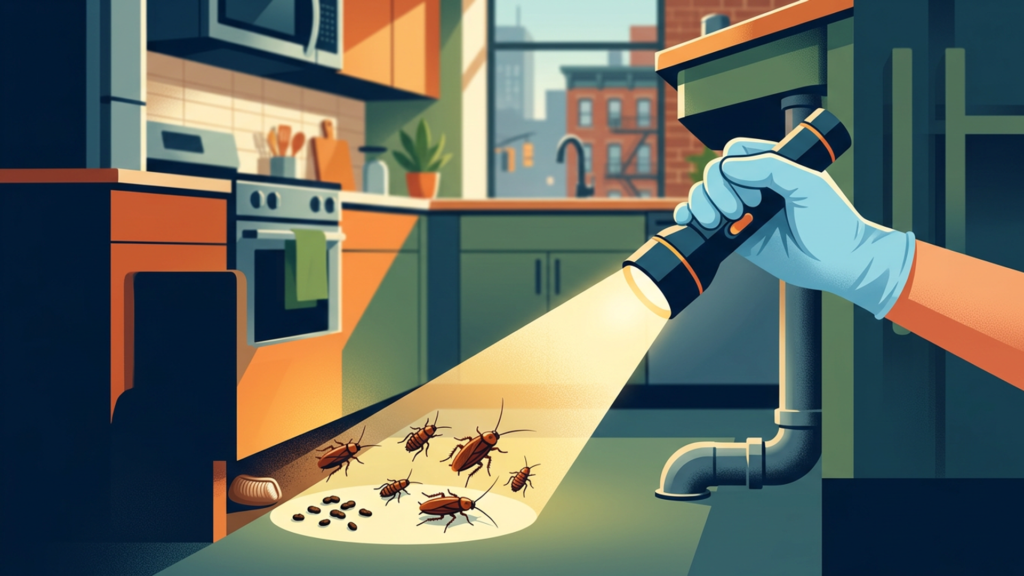
In a city of 8 million people, you are never truly alone—but that doesn’t mean you have to share your kitchen with six-legged roommates. Whether you’re touring a “charming” walk-up in the Village or managing a Midtown office, recognizing the subtle red flags of a roach presence is the only way to protect your sanity and your lease. In the high-stakes world of New York City real estate, being “street-smart” about pests is just as important as knowing which subway lines are running on the weekend.
Which Cockroach Species are Dominant in NYC?
The German Cockroach vs The American Giant
If you see a small, tan insect with two dark parallel stripes on its back, you are likely dealing with the German cockroach. This is the primary indoor threat in the five boroughs, known for its ability to breed rapidly in the warm, humid crevices of kitchens and bathrooms. Unlike other species, these roaches are specialists at living alongside humans, often hitching rides into luxury buildings inside grocery bags or delivery boxes.
Conversely, the “American Cockroach” is the giant, reddish-brown behemoth that can grow up to two inches long. While their size is terrifying, seeing one isn’t always a sign of a dirty home; they often enter through plumbing or basement drains looking for water. However, you cannot ignore them, as the life cycle of a roach is incredibly efficient, allowing a few “hitchhikers” to establish a massive colony in a matter of weeks if food and water are available.
Decoding NYC Pest Lingo and the Water Bug Myth
In New York, language is often used to soften the blow of harsh realities. Landlords and brokers frequently use the term “water bug” to downplay what is actually an American cockroach. By calling it a water bug, they imply it’s a seasonal visitor that just got lost, rather than a pest that requires cockroach control to manage effectively.
The reality is that these insects are highly localized and resilient. Scientific research has even shown that NYC cockroaches stick to their neighborhoods, evolving genetic differences based on whether they live in the Upper West Side or a specific block in Brooklyn. Regardless of the euphemisms used during a lease signing, any roach found inside your living space is an intruder that necessitates a strategic response.
Differentiating Pests from Occasional Visitors
Not every bug is a sign of a failing building. Outdoor species like the Oriental roach may wander in during NYC heatwaves or heavy rainstorms, but they rarely establish the same aggressive indoor colonies as German roaches. One of the best ways to protect your home is to learn how to get rid of roaches through sanitation and exclusion before a minor sighting turns into a larger problem.
What are the Physical Signs of a Hidden Infestation?
The Sensory Red Flags of the Moving Wall
A heavy infestation has a distinct “musty, oily” pheromone scent that lingers in the air, particularly in enclosed spaces like under-sink cabinets or pantry corners. This smell is produced by the roaches to communicate with one another, and in extreme cases, it can be detected the moment you walk through the front door. This isn’t just a nuisance; the city warns that indoor allergen hazards from roach waste can trigger severe asthma and respiratory issues for residents.
You may also experience the “Moving Wall” phenomenon. This occurs when you flip on a light in the middle of the night and see several roaches scurry into the shadows. If they are visible in the open while the lights are on, it usually indicates that the population has outgrown its hiding spots and the infestation is significant.
Droppings and Egg Casings in Dark Corners
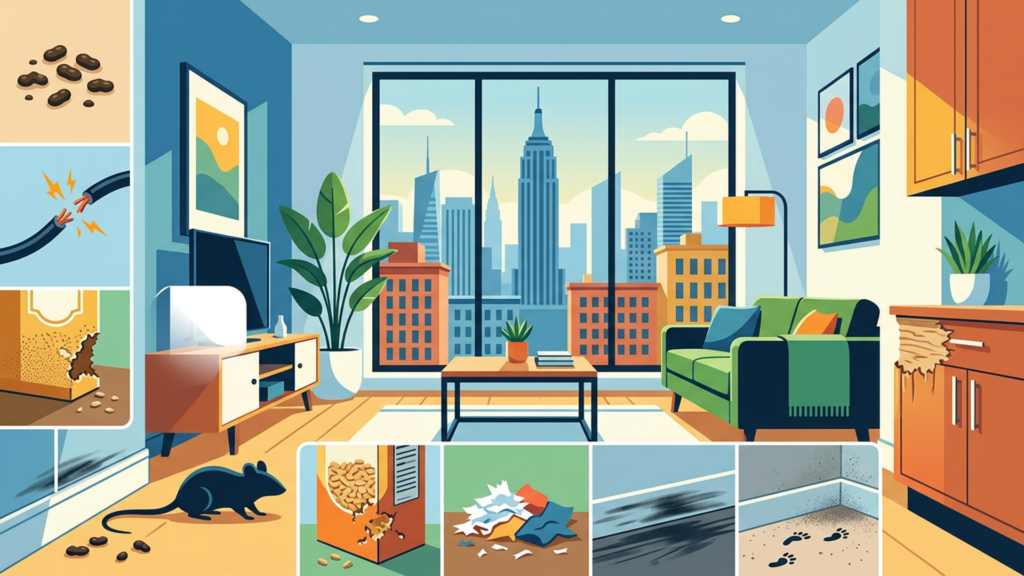
Roach droppings, often described as “roach pepper,” look like small grains of black pepper or coffee grounds. When performing cockroach control in Manhattan apartments, these are often found concentrated in the corners of kitchen drawers or on top of high cabinets. It is vital to distinguish these from mouse droppings, which are larger and shaped like grains of rice.
Finding Oothecae, or egg cases, is an even more urgent sign. These are small, brown, pill-shaped capsules that can hold dozens of eggs. If you find empty, translucent casings while managing cockroach control in Brooklyn brownstones, it means the next generation has already hatched and is currently hiding within your walls or floorboards.
Smear Marks and Shed Skins
In areas with high activity, roaches leave dark, irregular track marks along baseboards and where the wall meets the ceiling. These smears are caused by the oils and waste on their bodies as they travel the same paths every night. You should also look for “shells”—the translucent skins roaches shed as they grow. For more technical details on identifying these markers, you can consult German cockroach surveillance and management resources that detail their molting habits.
How Can Apartment Hunters Spot Red Flags Before Signing?
Pre-Lease Inspection Hacks for Renters
When touring a potential home, don’t just look at the view. Perform the “Radiator and Hinge” check: look behind the radiator covers and inspect the hinges of kitchen cabinets for small black specks. Additionally, if the apartment is occupied, try the “Fridge Pull”—gently checking the floor near the refrigerator compressor, as German roaches are attracted to the heat generated by the motor.
The Staged Apartment Checklist
Fresh paint can hide a multitude of sins. Look closely at the corners of closets or the undersides of shelves for “painted-over” roach droppings, which will appear as small, permanent bumps. Residents researching cockroach control in Bronx listings should check the “Who Owns What” database to see if the management company has a history of neglect. Also, be wary of a “cloying floral scent” during a walkthrough; it may be an attempt to mask the oily pheromone smell of an active infestation.
Unit-to-Unit Vulnerability Assessment
In NYC, you are only as clean as your messiest neighbor. Inspect shared walls and pipe penetrations for gaps. Many residents find that coping with New York’s roaches requires constant vigilance because if there are large holes where the gas line enters the wall behind the stove, roaches will use it as a highway between units. Similarly, units located directly next to the building’s trash chute or above a basement compactor face much higher pest pressure.
How Do You Build a “Roach Fortress” in a Shared Building?
The Caulking and Exclusion Strategy
Cleaning is important, but in a shared building, exclusion is king. You must create a physical barrier to prevent neighbors’ pests from entering your sanctuary. This involves cockroach control in Queens strategies like sealing the gaps where the floor meets the baseboard and using expanding foam or caulk around radiator pipes. Residents in high-density areas like cockroach control in Astoria often find that sealing these entry points is more effective than any store-bought spray.
Professional-Grade Baits vs Hardware Store Sprays
Avoid using “Raid” or other aerosol sprays, as these often act as repellents that scatter the colony deeper into the walls, making them harder to kill. Instead, the New York State Department of Health recommends using gel baits and bait stations. High-potency baits like Advion, combined with Insect Growth Regulators (IGRs) like Gentrol, disrupt the breeding cycle and provide long-term relief without the chemical fumes of traditional sprays.
Managing Shared Risks in NYC Real Estate
If you have “problem neighbors,” your individual efforts may only go so far. Effective cockroach control in Long Island City or cockroach control in Flushing often requires the building management to treat the entire line of apartments simultaneously. In high-density housing, there goes the neighborhood when one unit’s infestation quickly spreads through shared plumbing and electrical lines.
What are Your Legal Rights and Landlord Responsibilities?
The Warranty of Habitability in NYC
Under NYC’s “Warranty of Habitability,” every tenant has a legal right to a safe, clean, and pest-free home. This is not a courtesy; it is a requirement. If you see roaches, you should officially document the sightings in writing to your landlord. This starts the clock on their obligation to provide a remedy, usually within a very short window for serious infestations.
Escalating Issues via 311 and HPD
If a landlord ignores your requests, filing a 311 complaint is your next step. This triggers an inspection by the Department of Housing Preservation and Development (HPD). It is important to remember that housing quality and mental health are closely linked; the stress of a chronic infestation can lead to anxiety and sleep deprivation, making it a serious health issue that the city takes seriously.
Seeking Professional Help Across the Five Boroughs
Sometimes, DIY methods simply aren’t enough for the scale of NYC pest pressure. Whether you need cockroach control in Staten Island or cockroach control in New York County, professional exterminators have access to tools and knowledge that go far beyond what is available at the hardware store. Modern strategies often focus on curbing cockroaches and their allergens to improve the overall air quality of the apartment while eliminating the nest.
Ready to Take Back Your NYC Apartment?
Navigating the “water bug” myths and hidden signs of roaches is part of becoming a seasoned New Yorker. By recognizing the visual, olfactory, and physical red flags early, you can stop a few sightings from turning into a building-wide crisis. Remember:
- Identify the Species: Know the difference between a wandering American roach and an infesting German roach.
- Inspect Thoroughly: Use “street-smart” hacks like the fridge pull and radiator check before signing a lease.
- Build Your Fortress: Focus on exclusion and professional-grade baits rather than ineffective sprays.
- Know Your Rights: Don’t let a landlord dismiss an infestation as “part of city life.”
Living in NYC doesn’t have to mean living with cockroaches. By staying vigilant and taking immediate action at the first sign of an intruder, you can ensure your home remains yours alone. If the signs point to a problem beyond your control, don’t wait—seek professional inspection and exclusion services to secure your space today.