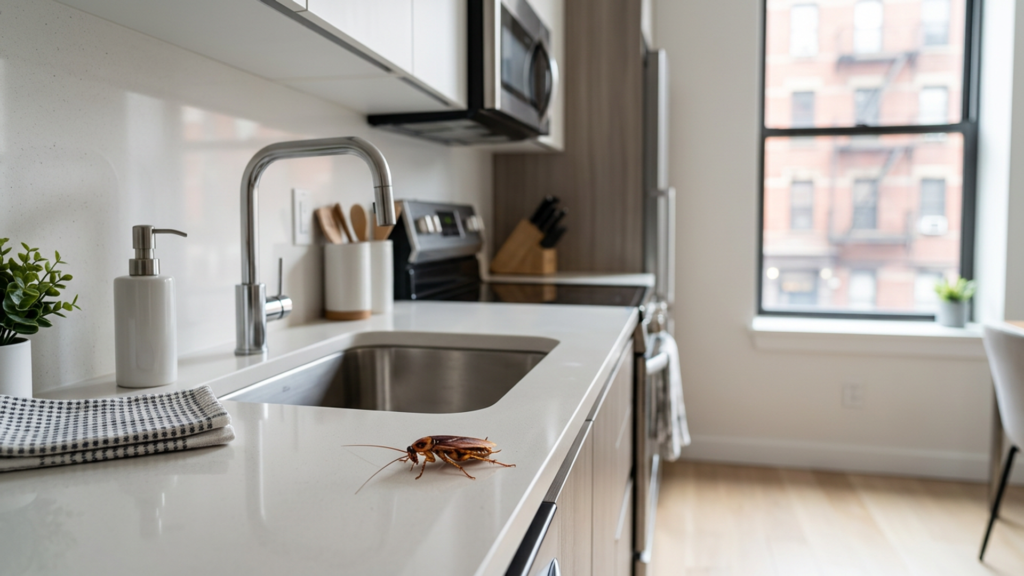
You scrub the counters, take out the trash religiously, and never leave dishes in the sink — yet you just spotted a cockroach skittering across your spotless Brooklyn kitchen at 2 a.m. You’re not alone, and you’re not doing anything wrong.
The truth is, roaches in NYC have very little to do with how clean your apartment is and everything to do with your building’s infrastructure, your neighbors, and the city’s massive sewer system. This guide breaks down exactly why roaches show up in clean NYC homes and gives you a practical, city-specific plan to fight back.
Cockroaches in your NYC kitchen?
26+ years treating NYC roaches. Gel baits and crack-and-crevice work that actually finishes the colony, no annual contracts, and a free inspection.
Why Does My Clean NYC Apartment Still Have Roaches?
Cleanliness Is Not the Barrier You Think It Is
Roaches need water more than food — a single dripping pipe or condensation under a radiator is enough to sustain a colony, even in a spotless home. NYC’s density means roaches migrate from neighboring units regardless of your cleaning habits, following plumbing lines and wall voids between apartments.
Even Park Avenue buildings get roaches. Seeing one large roach occasionally is considered normal in NYC. The real concern is when you spot small roaches in numbers — that signals active breeding nearby.
What Actually Attracts Roaches to a Clean Home
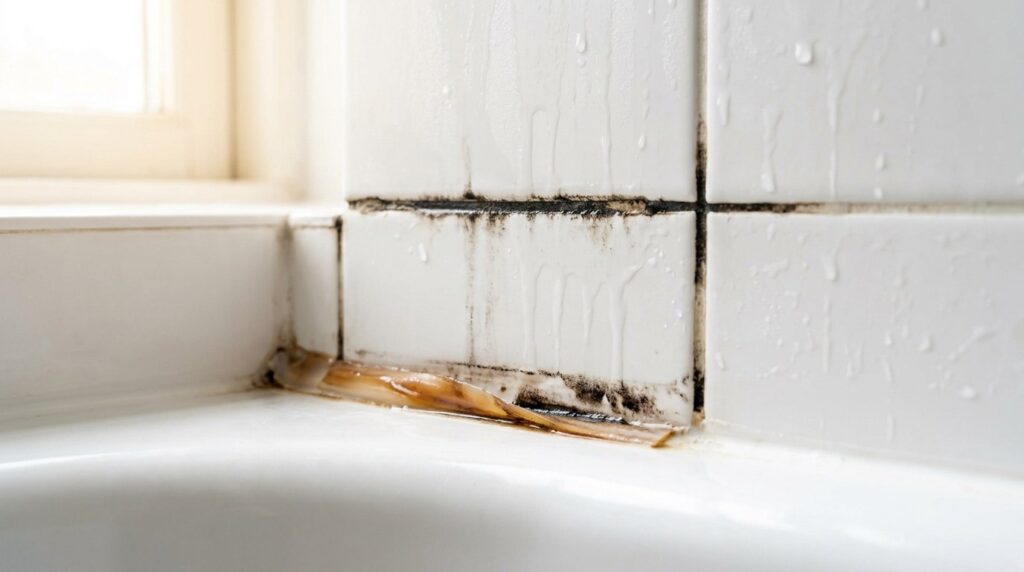
Moisture is the number one attractant: leaky faucets, condensation on pipes, HVAC drip trays, and humid bathrooms. You could have a magazine-worthy kitchen and still provide everything a roach needs to thrive just from a sweaty cold-water pipe under the sink.
Then there are the hidden food sources you overlook: grease residue behind the stove, crumbs under the toaster, pet food left out overnight, and even the glue on cardboard boxes. NYC Reddit communities also flag unexpected culprits like shelf paper, paper grocery bags, cardboard storage boxes, and the warm interiors of appliances like espresso machines and dishwashers.
How Are Roaches Getting Into My Clean Home?
Pre-War Building Infrastructure as a Roach Highway
Pre-war NYC apartments have extensive gaps around radiator pipes, baseboards, old plaster walls, and original plumbing that serve as direct pathways from neighboring units. According to the city’s guidelines on indoor allergen hazards like mold and pests, these structural gaps are a primary contributor to pest movement between apartments.
Modern buildings have fewer entry points, but shared trash compactor chutes, package rooms, and laundry facilities still introduce roaches. Gaps as small as 1/16 of an inch are enough for German cockroach nymphs to squeeze through — and pre-war buildings have gaps many times that size.
Drains, P-Traps, and the NYC Sewer System
Large American cockroaches — the ones New Yorkers generously call “water bugs” — commonly enter through drains connected to NYC’s aging sewer system, especially in ground-floor and basement apartments. A city resource on controlling pests safely highlights the importance of maintaining drains and reducing moisture as a first line of defense — this is one of the most overlooked entry points in city living.
P-traps in unused sinks, bathtubs, or floor drains dry out and create an open pathway from the sewer directly into your apartment. The New York State Department of Health’s guide to eliminating cockroaches recommends running water in every drain weekly and installing mesh drain covers — simple fixes that block this major entry point most guides ignore. If you’re dealing with persistent sewer roaches in lower Manhattan, pest control in New York County often starts with exactly this kind of drain and infrastructure assessment.
Accidental Transport and Shared Spaces
Roaches hitchhike into clean homes via delivered packages, grocery bags, secondhand furniture, and even luggage. Shared building amenities — laundry rooms, trash rooms, recycling areas — are common pickup points in NYC apartment buildings. That Amazon box sitting in your lobby? It’s a potential roach taxi.
German Roach vs. American Roach — Why Does It Matter in NYC?
Identifying What You’re Dealing With
Small, light-brown roaches (½–⅝ inch) with two dark stripes behind the head are German cockroaches — they breed indoors and indicate an active infestation in your unit or an adjacent one. As Rutgers’ fact sheet on German cockroach biology explains, this species reproduces rapidly and lives exclusively indoors, making it the far more serious threat.
Large, dark reddish-brown roaches (1–2 inches) are American cockroaches — typically sewer dwellers that wander in through drains. Seeing one occasionally is far less alarming than finding a cluster of small ones behind your microwave.
Why Species Identification Changes Your Entire Approach
German roach sighting means you need to inspect appliances, treat with gel bait, seal entry points, and potentially involve building management for coordinated treatment. American roach sighting means you should focus on drain maintenance, P-trap checks, and exterior sealing — building-wide extermination is less critical.
Misidentifying the species leads to wasted effort and money. The University of Maryland’s overview of cockroach species is a helpful visual reference if you’re unsure what you’re looking at. Many NYC tenants panic over a single American roach when the real threat is the small German roaches they haven’t noticed yet. A Cornell fact sheet on cockroach identification and habits is another useful resource for distinguishing between the species you’re likely to encounter.
What’s the Best Way to Get Rid of Roaches in a Clean NYC Apartment?
Step-by-Step Gel Bait Application for NYC Apartments
Advion gel bait is overwhelmingly the top recommendation across NYC Reddit communities (r/nyc, r/AskNYC), with users reporting dramatic results within days — even in heavily infested buildings.
Apply pea-sized dots in cracks, crevices, under sinks, behind the stove and refrigerator, inside cabinet hinges, around pipe entry points, and along baseboards. Small dots in many locations beats large globs in few spots. Combine with an IGR (insect growth regulator) like Gentrol to prevent nymphs from maturing and reproducing.
Reapply gel bait every 2–3 weeks until sightings stop completely. And critically: avoid using sprays alongside gel bait. As the National Pesticide Information Center explains in their resource on why cockroaches infest homes, sprays repel roaches away from bait and make it ineffective — a mistake that undermines your entire effort.
Caulking and Sealing — Your Most Important Defense
Before any bait application, caulk every gap around baseboards, radiator pipes, plumbing penetrations under sinks, electrical outlets on shared walls, and where cabinets meet walls. This is arguably more important than the bait itself.
Install fine mesh drain covers on all drains and use door sweeps on your apartment entry door — especially in pre-war buildings where hallway-to-apartment gaps are common. For residents dealing with cockroach issues in Brooklyn, where pre-war housing stock is especially dense, sealing is often the single biggest game-changer.
Move-In Roach Prevention Checklist for NYC Apartments
Before unpacking, inspect all cabinets, behind appliances, and under sinks for roach droppings (small dark specks) or egg casings. Then take these steps:
- Caulk all gaps and install drain covers
- Apply gel bait in key locations
- Run water in every drain to fill P-traps
- Remove any shelf or contact paper left by previous tenants
- Discard all cardboard boxes promptly
- Set out glue traps in corners and under sinks to monitor activity during your first few weeks
Can I Make My Landlord Handle the Roach Problem?
NYC Tenant Rights and Landlord Obligations
Under NYC housing code and the warranty of habitability, landlords are legally required to address pest infestations — roaches are a violation of habitable living conditions. This isn’t optional.
Tenants can file complaints with HPD (Housing Preservation & Development) and request an inspection; violations can result in fines and mandatory remediation. The NYC Department of Health also publishes pest control guidance for tenants outlining your rights and your landlord’s responsibilities. NYC Local Law 55 requires building owners to use integrated pest management (IPM) methods and address building-wide conditions that contribute to infestations.
When You Need to Take Matters Into Your Own Hands
Many landlords are slow to act or provide inadequate one-time spray treatments that don’t solve the problem — supplementing with your own gel bait and sealing efforts is often necessary. In multi-unit buildings, treating one apartment is insufficient, so push for building-wide coordinated treatment through your landlord or management company.
Document everything — photos, dates, written complaints — in case you need to escalate to HPD or withhold rent through legal channels. For persistent infestations that DIY can’t resolve, a professional cockroach control service that understands building-wide treatment can make the difference between managing the problem and actually solving it. Residents across Manhattan dealing with roach issues often find that coordinated professional treatment is what finally breaks the cycle.
Cockroaches in your NYC kitchen?
26+ years treating NYC roaches. Gel baits and crack-and-crevice work that actually finishes the colony, no annual contracts, and a free inspection.
Is It Even Possible to Live Roach-Free in NYC?
Setting Realistic Expectations as an NYC Resident
Very few long-term NYC residents will never encounter a roach — the city’s infrastructure, density, and climate make occasional sightings a fact of life, not a failure of cleanliness. The goal is control, not total planetary eradication.
A sealed, baited, and monitored apartment can remain virtually roach-free even in an infested building. Seasonal spikes happen — American roaches are more active in summer when sewer populations boom, and German roaches thrive year-round in heated NYC apartments. Warm months also bring other pest concerns; some residents in New York County also deal with mosquitoes that peak during the same summer window.
Your Ongoing Maintenance Plan
Reapply gel bait monthly during active infestations, then quarterly for maintenance. Replace glue trap monitors every 2–4 weeks. Run water in all drains weekly — especially guest bathrooms or rarely used sinks — fix leaks immediately, and keep humidity below 50% with a dehumidifier if needed. UC Davis’s integrated pest management guide on cockroach biology and prevention offers additional long-term strategies worth reviewing.
If DIY efforts plateau, bring in a professional service familiar with NYC apartment buildings. Borough-specific specialists in cockroach control in Queens, the Bronx, or Staten Island understand the unique challenges of NYC housing stock and can coordinate building-wide treatment plans that actually stick. For broader pest concerns across the borough, pest control services in Manhattan can address roaches alongside other common NYC apartment pests.
The bottom line: roaches in your clean NYC apartment aren’t your fault, but getting rid of them is within your control. Seal the gaps, bait strategically, maintain your drains, know your rights — and stop blaming yourself for a problem that’s built into the city’s bones. With the right approach, cockroach control in New York County can help you achieve the roach-free apartment you deserve.