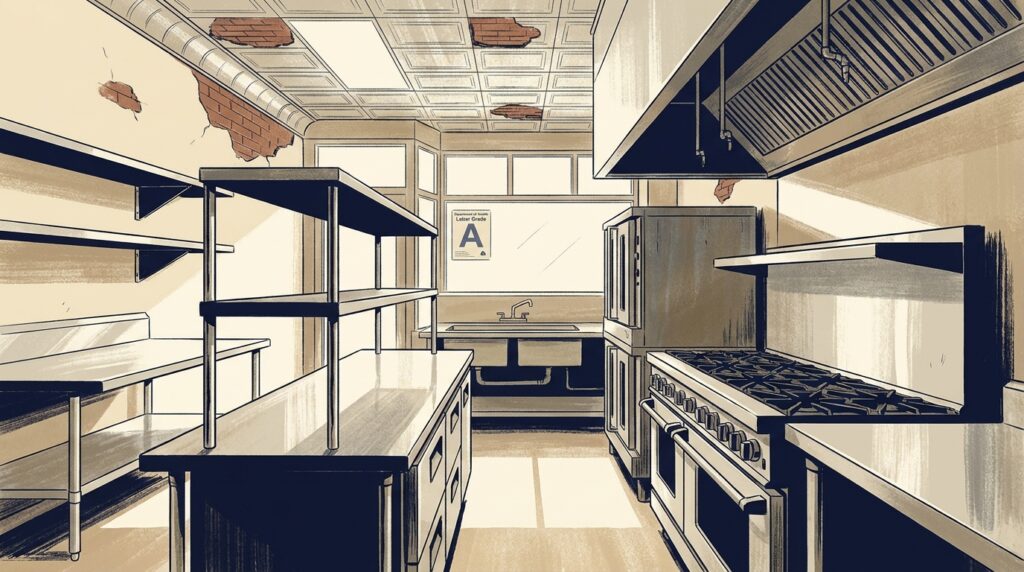
The Health Department inspector walks through your front door at 12:42 p.m. on a Wednesday — middle of the lunch rush — and the next 90 minutes will decide whether your business gets an A in the window or a Grade Pending sign that scares away half your walk-in traffic. We’ve spent 26+ years walking NYC restaurant operators through this exact moment, and the difference between an A and a C almost always comes down to two things: a real pest program with documented service history, and a kitchen that’s already inspection-ready before anyone shows up. A single live cockroach is a 28-point hit on its own — enough to drop you into C-grade territory before the inspector writes anything else. This guide covers every part of a NYC restaurant DOH pest inspection: what Part 14 of the State Sanitary Code requires, the violation codes that cost grades, what a defensible IPM program looks like, and the prep work that keeps our professional NYC restaurant pest control clients holding A-grades year after year.
Need NYC commercial pest control?
26+ years on NYC commercial accounts. DOH-ready logs, after-hours service to protect your operations, NPMA and NYPMA member, no long-term contracts.
What Is a NYC Restaurant DOH Pest Inspection, Exactly?
The NYC Department of Health and Mental Hygiene (DOHMH) is required to inspect every food service establishment in the five boroughs at least once a year, and every visit is unannounced. The inspector has the legal authority to walk into your kitchen with no notice and begin immediately — no right to delay or reschedule. Two parallel rule sets control everything they can cite: Article 81 of the NYC Health Code and Sub-Part 14-1 of the New York State Sanitary Code. Both are referenced openly in the report, and the official NYC DOH inspection process page publishes the full violation penalty schedule and inspection cycle overview.
What an Inspector Actually Carries Into Your Kitchen
In our experience walking behind dozens of inspectors, the gear they pull out of their bag tells you exactly what they’ll look at: a metal-stem probe thermometer, alcohol wipes, a powerful flashlight, sanitizer test strips, a Health Department badge, a copy of the Sub-Part 14-1 reference, and a tablet for the inspection report. The flashlight matters more than people realize — German cockroach harborage hides inside motor cavities, behind splash guards, and under the lip of equipment legs, and inspectors get on their hands and knees to find it. If they kneel and pull off panels, they’re looking for grease and food residue underneath — high-value violations and a sign there’s a roach population somewhere they haven’t found yet.
How Does the DOH Letter Grade System Actually Work for Restaurants?
The DOH letter grade system is a cumulative-points game, not pass/fail. Inspectors assign points across dozens of categories, and the total at the end of the visit corresponds to a letter grade you must post window-facing.
The Letter Grade Math: A, B, or C
The official scoring scale per the DOH letter grading rules for restaurants:
- A grade: 0–13 points. Posted in the window immediately. Next graded inspection in 11–13 months.
- B grade: 14–27 points. “Grade Pending” sign while you wait for re-inspection in 3–7 months.
- C grade: 28+ points. Same Grade Pending option, same re-inspection cycle, but a much more public bad number.
- Closure: Repeat 28+ scores or a public health hazard that can’t be corrected during the inspection.
Violations break into three tiers. General violations (2+ points) cover physical-setup issues like trash receptacles or vermin-proofing gaps. Critical violations (5+ points) cover anything that could contribute to foodborne illness — including most pest sightings. Public Health Hazards (7+ points) cover immediate threats (no hot water, raw food contamination, severe pest infestation).
Why a Single Live Cockroach Can Equal 28 Points
The condition-level system is what catches operators by surprise. Every violation has a condition level from I (minimum) to V (maximum), and severe violations at Level V are typically assigned 28 points. For pest violations specifically: 20+ live roaches observed = Level V on 4M; three or more live rats and/or 100+ fresh droppings = Level V on 4K; 30+ flies in or near food prep = Level V on 4N. Because pest violations are weighted heavily, even a smaller infestation at Condition Level III or IV can rack up enough points to push you past 14 (B) or 28 (C) on its own. The ABCEats public lookup makes every restaurant’s history searchable — a bad inspection isn’t just a window sign, it’s a permanent record.
Which Pest Violations Drop a NYC Restaurant Grade Fastest?
Pest-related violations are the highest-weight category in the DOH inspection schedule. In our 26+ years inspecting NYC commercial kitchens, these are the ones that drop grades most often.
The Four Critical Pest Violation Codes
- 4K — Evidence of Rats ($200–$350 fines, 5+ points). Rat droppings alone trigger this — no live rat needs to be observed. Three or more live rats or 100+ fresh droppings pushes to Condition Level V.
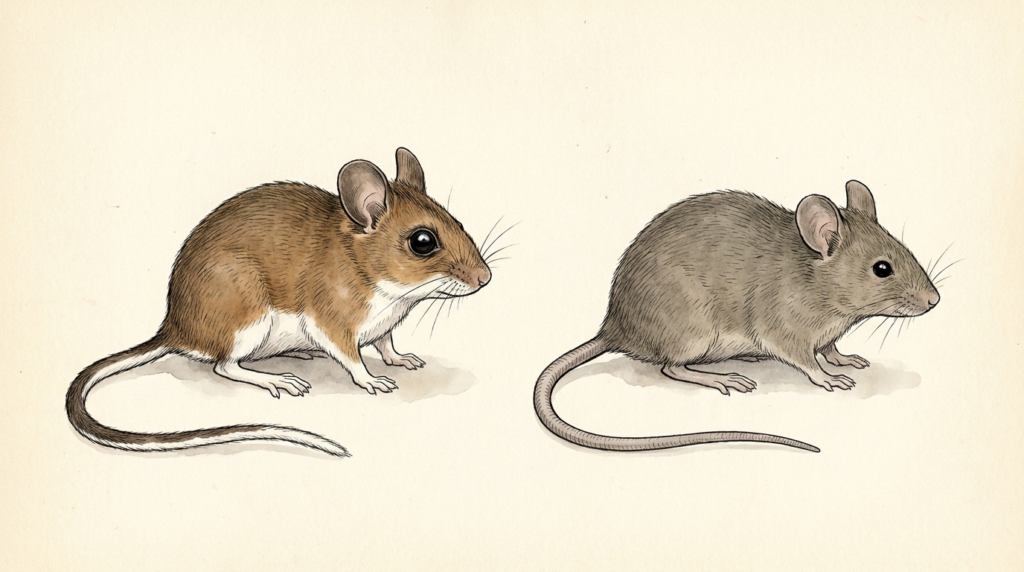
- 4L — Evidence of Mice ($200–$350, 5+ points). Scored identically to rats, except two live mice or 100+ fresh droppings hits Level V. Droppings in a flour bin or behind the line refrigerator are the most common 4L finds.
- 4M — Live Roaches ($200–$350, 5+ points). One live roach is a guaranteed citation. 20+ live roaches = Level V, often paired with cleanliness violations.
- 4N — Filth Flies / Food-Refuse-Sewage-Associated Flies ($200–$350, 5+ points). Covers house flies, blow flies, fruit flies, drain flies, and phorid flies. 30+ flies in or near food areas = Level V. Drain fly findings almost always pair with separate plumbing or sanitation violations because the source is organic buildup inside floor drains.
For all four codes, the violation does NOT have to be in a food area to be cited, and finding evidence in multiple areas increases the fine.
The Three General Pest-Adjacent Violations That Sneak Up on Operators
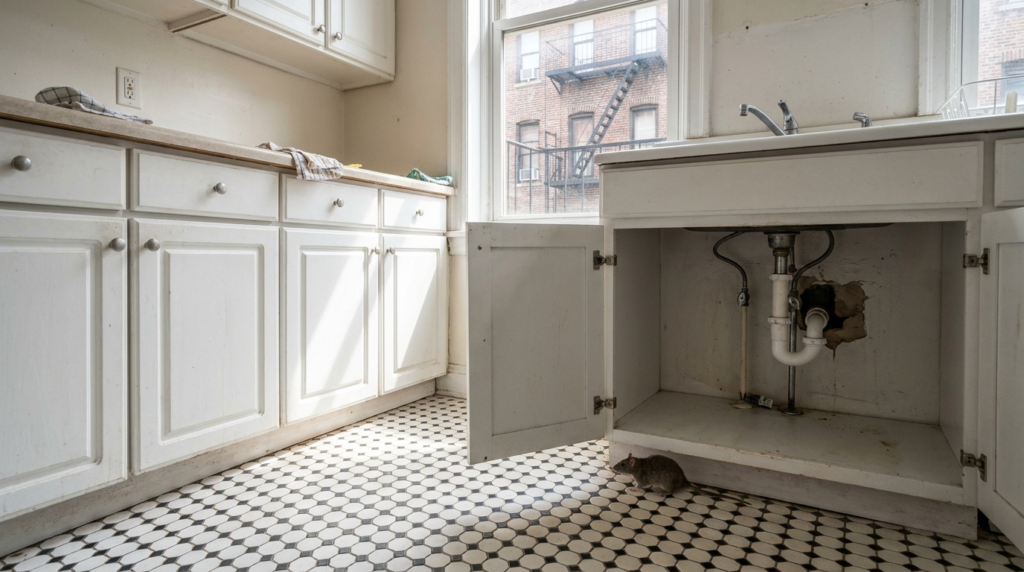
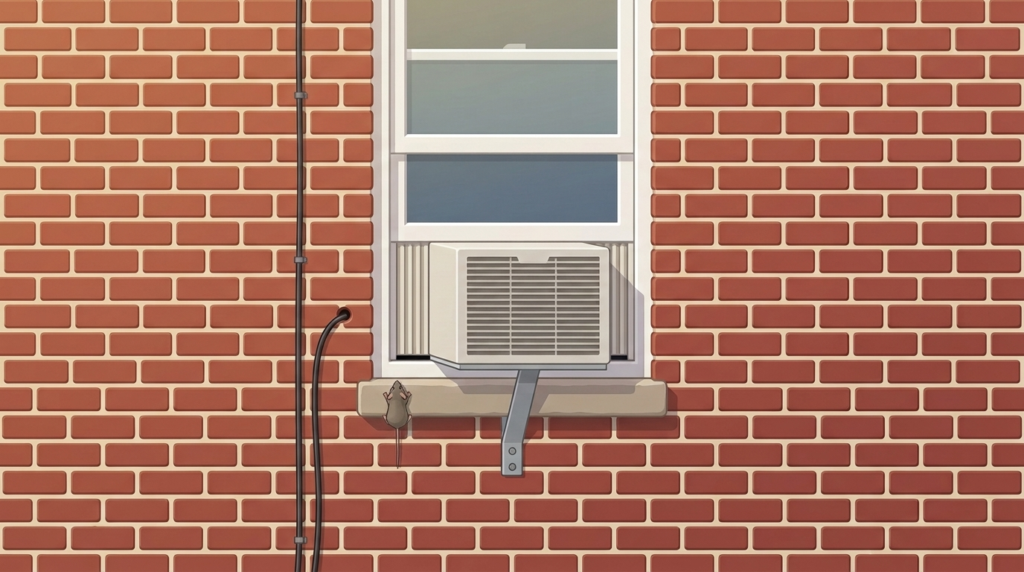
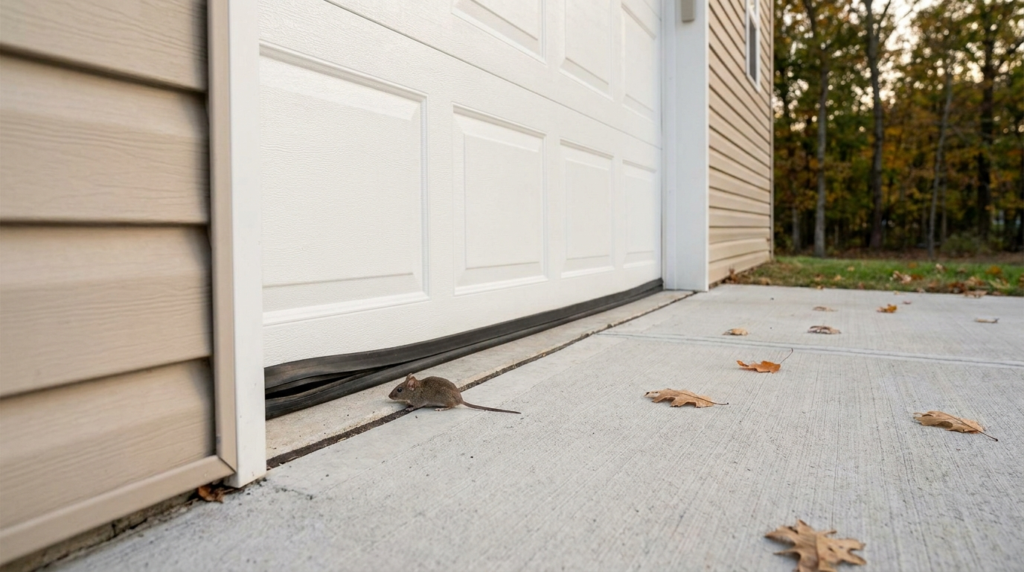
- 8A — Not Vermin-Proofing the Restaurant ($200, 5–8 points). The catch-all: door sweeps missing, gaps around pipes under sinks, holes in screens, monitoring sticky traps not in place, no extermination records on file. Often issued when the inspector couldn’t find an active infestation but is putting you on notice.
- 8B — Improper Trash Receptacles ($200, 2+ points). Open trash cans, dumpster lids propped open, unmaintained garbage area. Almost always on the operator and almost always avoidable.
- 8C — Improper Pesticide and Bait Safety ($200, 2+ points). Unlabeled containers, products stored next to food, restricted-use pesticides applied without a license — or illegal dichlorvos pest strips in food-prep areas. Cornell IPM specifically warns against pest strips in restaurant kitchens because the active ingredient is only for confined spaces with no human presence over four hours.
If you want a deeper look at the early German cockroach indicators that often precede a 4M violation by weeks, our cockroach signs guide breaks down what to watch for.
Need NYC commercial pest control?
26+ years on NYC commercial accounts. DOH-ready logs, after-hours service to protect your operations, NPMA and NYPMA member, no long-term contracts.
What Does an Inspection-Ready IPM Program Look Like for a NYC Restaurant?
Integrated Pest Management is the framework DOH inspectors expect to see. The official NYC.gov “Keep Pests Out of Food Establishments” PDF recommends an IPM approach: monitor where pests might live, prevent harborage, and use targeted treatments rather than broadcast spraying. An IPM program that holds up under DOH scrutiny has six components.
The Six Components We Build Into Every NYC Restaurant IPM Program
- Monthly minimum service visits — bi-weekly for high-volume kitchens and chronic-pressure properties. Reproduction outpaces bait between quarterly visits.
- Bait rotation on a documented schedule — German cockroaches develop measurable resistance to single-active gel baits within 6–12 months. We rotate actives (indoxacarb, fipronil, abamectin, dinotefuran) and record what was used.
- Monthly enzymatic drain treatments — floor drains under three-compartment sinks, mop sinks, and beverage stations are the most overlooked harborage point. Organic biofilm feeds drain flies, phorid flies, and small German roach populations. We learned this from the cockroach species hiding in commercial drains of older NYC buildings.
- Tamper-resistant exterior rodent station network — perimeter stations every 50–100 feet, mapped on a station diagram, monitored every visit.
- Interior sticky-trap monitoring grid — pre-baited monitors behind the line, under the dish station, near the back door, inside dry storage. Catches roach populations before they become 4M citations.
- Service-log + treatment-record + corrective-action documentation — every visit, every callback, every staff-reported sighting tracked from report to resolution.
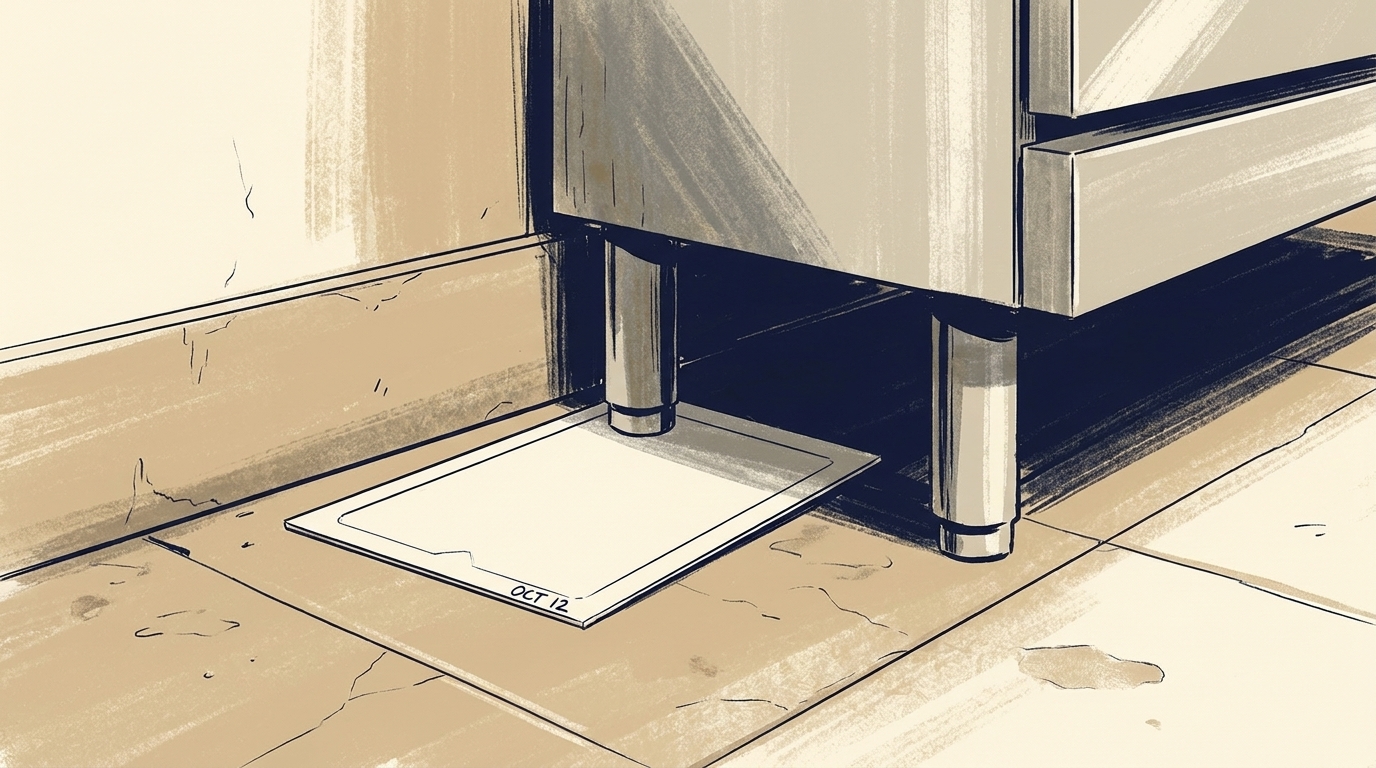
What separates programs that consistently hold A-grades isn’t the volume of pesticide — it’s the structure and documentation behind the visits.
Why Is Documentation the Real Defense in a DOH Inspection?
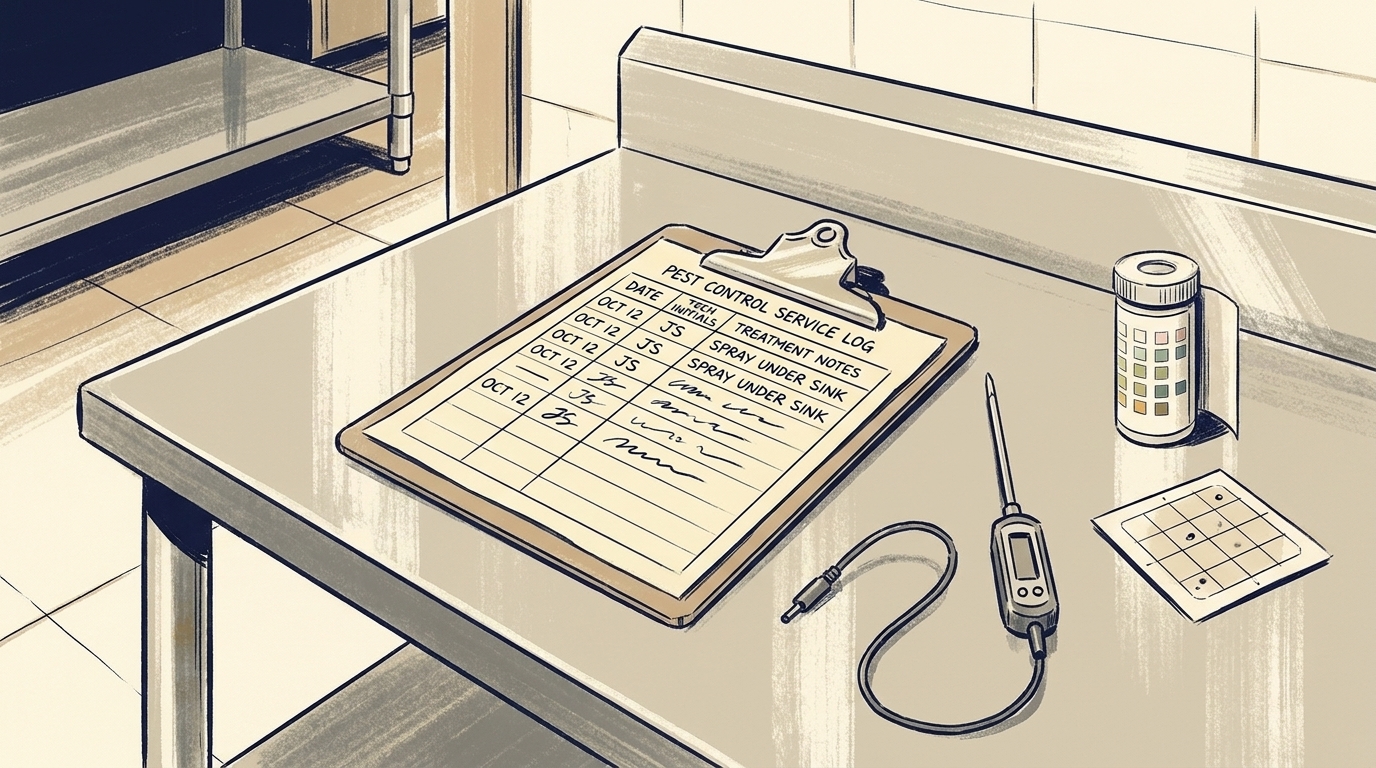
The phrase we say to every restaurant operator we onboard: if it wasn’t written down, it didn’t happen. An inspector who finds a single dead German cockroach behind your fryer will ask when your last service visit was. “Last week” without a written log is functionally the same as “we don’t have a pest program.” A timestamped service report with findings, treatments, and bait placements — that’s what shifts a 5+ point critical citation into a non-issue.
What Your Pest Control Documentation Has to Include
Sub-Part 14-1 and Article 81 expect every food service establishment to keep pest management records an inspector can review on demand. Our restaurant compliance team builds every NYC commercial program around the same documentation set:
- Service visit logs — date, technician, areas inspected, findings, products used (with EPA registration numbers)
- Pest sighting log — staff-recorded sightings between visits, with corrective action
- Sticky-trap monitoring log — locations, captures by date, escalation when counts spike
- Drain treatment log and exterior rodent station log
- Pest control contract with the licensed company’s NYS DEC business registration number
- SDS binder for every product on premises
The Licensed Exterminator Requirement
Only a licensed technician registered with the NY State Department of Environmental Conservation may apply pesticides in a NYC commercial kitchen. A manager applying gel bait, dust, or a drain enzyme from a hardware store exposes the restaurant to a Condition Level III or higher 8C violation on top of any pest activity already cited. We see this most often when an operator tries to handle a sudden roach issue the day before a re-inspection — it’s a violation either way.
How Should NYC Restaurant Staff Prepare for an Unannounced DOH Inspection?
The best preparation is a kitchen that runs correctly every day, not a scramble the morning your manager has a feeling. Every operator we work with develops a 5-minute readiness routine for the moment the inspector walks in.
The 8 Things Every Prep Station Should Have at All Times
- Calibrated metal-stem probe thermometer at every cook station (ice-bath calibrated within ±2°F)
- Test strips for whichever sanitizer you use, within easy reach
- Sanitizing buckets at correct PPM — strips run at start of shift and after every refresh
- SDS binder in a single labeled location the manager can produce in 30 seconds
- All spray bottles labeled with product name (no exceptions)
- All food stored at least 6 inches off the floor in walk-in, dry storage, and prep
- Walk-in cooler at 41°F or below — the most common opening-day failure for new restaurants
- Handwash sink unblocked — no coats, towels, or prep boards within arm’s reach
Two Quick-Hit Tactics: Gasket Checks and “Correct on the Spot”
Inspectors check the top side of refrigerator door gaskets, not just the contact side. A residue-coated gasket triggers a non-food-contact-surface violation, so build a quick wipe-down of every gasket top edge into shift change. The single best piece of advice we share: many violations can be cured during the inspection if staff acts immediately. Inspector points to a dented can? Pull it into the trash in front of them. Coat too close to the handwash sink? Move it to the back office. Sani bucket low? Refresh it on the spot, run a strip, show the result. A respectful posture plus same-shift correction moves a lot of would-be citations into the verbal-warning column.
What Should a NYC Restaurant Operator Say (and Not Say) to a DOH Inspector?
We’ve been on jobsite during dozens of restaurant DOH inspections, and operators who consistently get A-grades follow an almost identical playbook.
The Five Rules of Inspector Communication
- Identify the manager-on-duty fast. When the inspector asks who’s in charge, the answer is one named person — not “uhh, let me get someone.”
- Be respectful and treat them as a partner. Not adversarial, not a negotiation. Operators who make the inspector’s job easier get the best outcomes.
- Volunteer no information that wasn’t asked for. Answer the question fully and accurately. Don’t expand into what you “usually” do or “tried last week.”
- Use food-safety lingo correctly. Reference “cold holding at 41°F,” not “the fridge.” Mention “PPM” when talking sanitizer. Mention your “ServSafe-certified manager.”
- Correct on the spot, document, and move on. Fix the issue immediately, in front of them, without apologizing repeatedly.
That casual small-talk when an inspector walks in (“Has it been busy today? How’s staffing?”) is intelligence-gathering. “Busy today” tells them whether to check line-temperature control; “staffing” surfaces ill workers and supervision gaps. Train your manager to answer briefly and pivot back to the inspection.
Why Are NYC Restaurants Especially Vulnerable to DOH Pest Pressure?
NYC restaurants face a pest-pressure environment most other cities don’t, and that environment shapes what an inspection-ready program has to look like.
The Pre-War Building Reality
Most NYC restaurant kitchens sit in pre-1940 buildings with shared walls, plaster construction, settling cracks, and aging plumbing. German cockroach populations move freely between adjacent commercial units through wall voids, electrical conduits, and utility chases. A spotless restaurant sharing a wall with a struggling neighbor inherits part of that neighbor’s roach population through no fault of its own. In Long Island City and Maspeth — the industrial corridors where we run a lot of our commercial accounts — this manifests as mixed factory-and-restaurant buildings where a single bad tenant pushes pest pressure through the whole block.
Sewer Infrastructure, Drains, and DSNY Containerization
NYC’s combined sewer system connects directly into restaurant floor drains, mop sinks, and dishwasher waste lines. Drain flies, phorid flies, and Oriental cockroaches use this system as a highway between street catch basins and your back-of-house — which is exactly why monthly drain treatments aren’t optional. The 2024 DSNY sealed-container rules dramatically reduced overnight rodent foraging on most commercial blocks, but restaurants without compliant containers face both DSNY fines AND increased rodent pressure that shows up as 4K and 4L violations on the next DOH visit. When a commercial unit on your block goes vacant, expect its pest population to migrate through shared walls into the nearest occupied kitchen — yours.
What Happens If a NYC Restaurant Fails a DOH Pest Inspection?
A B, C, or closure-grade inspection’s consequences extend well beyond the window sign.
The 30-Day Re-Inspection Cycle and the Real Dollar Cost
After a failed initial inspection, DOH returns within 30 days. The moment a citation lands, operators should immediately (1) call their pest control provider for a documented emergency service visit, (2) photograph every corrective action, (3) update the pest management plan, and (4) run a mock walkthrough with the inspector’s checklist. Beyond per-violation fines ($200–$350 each, often stacking to $1,000+) and re-inspection fees, a B or C grade typically costs NYC restaurants 15–30% of walk-in revenue during the Grade Pending window. A closure costs full revenue plus payroll for the duration. Our pricing breakdown of what NYC commercial pest control actually costs puts the math in context: a documented monthly IPM program costs less in a year than a single closure costs in days. Restaurants have two formal recourse options after a failed visit — requesting an immediate re-inspection (carries a fee; A-range score swaps out the bad grade) or challenging citations at an OATH adjudication hearing. Both can work, and both fail when the underlying pest issue wasn’t actually corrected before the next visit.
How Do Different NYC Restaurant Types Need Different DOH Inspection Prep?
The IPM and documentation playbook stays the same — but the focus areas differ by restaurant type.
- Full-service restaurants are the baseline: kitchen, FOH, bathrooms, dry storage, walk-in, exterior.
- Ghost kitchens and cloud kitchens have unique exposure — shared facility, multiple operators, pest pressure no one operator can fully control. Building-wide IPM coordination is the only way to hold an A-grade.
- Cafes and quick-service have smaller kitchens but higher fly pressure. Drain treatments and door-sweep maintenance carry extra weight.
- Hotels with restaurant operations intersect DOH rules with hotel-specific concerns. Our hotel pest control coverage handles both kitchen-side compliance and the room-side bed bug, mouse, and roach programs hotel ops require.
- Food processing facilities and commissaries face DOH inspection plus FDA Food Safety Modernization Act overlays. Our food processing facility programs run separate documentation tracks for FSMA and Sub-Part 14-1.
- Multi-unit restaurant groups and commercial property managers benefit from a single comprehensive commercial pest management contract across all NYC locations rather than per-site programs.
Key Takeaways for NYC Restaurant Operators
A NYC restaurant DOH pest inspection is a test of two things: whether your kitchen runs clean and pest-managed every day, and whether you can prove it on paper to a stranger with a flashlight in 90 minutes. A single live cockroach is 28 points and can equal a C grade. A documented monthly IPM program — bait rotation, drain treatments, exterior rodent stations, full service logs — prevents that scenario. Have the right gear at every prep station every shift, treat the inspector with respect, correct on the spot, and let the documentation defend you.
We’ve run NYC restaurant pest programs for 26+ years across all five boroughs and the Long Island City/Maspeth commercial corridor. If your current pest control isn’t producing inspection-ready service logs, isn’t rotating baits, isn’t treating drains monthly, or isn’t visiting often enough to stay ahead of NYC’s pest pressure, that’s a program problem we can help you fix before your next unannounced visit.