Found tiny bugs crawling near your windowsill or mysterious holes in your favorite wool sweater? Before you spiral into a full-blown pest panic — a feeling every NYC renter knows too well — take a breath. Carpet beetles are one of the most common household insects in New York City apartments, and thousands of residents mistake them for bed bugs every year. This guide will help you identify the real signs of carpet beetles, understand what makes NYC apartments uniquely vulnerable, and know exactly what steps to take next — including your rights as a tenant.
What Are Carpet Beetles and Why Are They So Common in NYC Apartments?
Carpet Beetles 101: A Quick Overview
Carpet beetles are small dermestid beetles belonging to the family Dermestidae, and despite their name, they feed on far more than just carpets. Their larvae devour natural fibers, keratin, and organic debris — everything from wool and silk to pet hair and dead insects. According to Utah State University’s resource on dermestid beetles and their habits, these insects are among the most widespread fabric pests in North American homes.
The average American home hosts roughly 100 species of insects, and carpet beetles rank among the most frequently encountered. A few sightings don’t necessarily signal a full-blown infestation. They enter apartments through open windows, on cut flowers from the corner bodega, via secondhand furniture, or by quietly migrating through walls in multi-unit NYC buildings.
Common Species Found in NYC
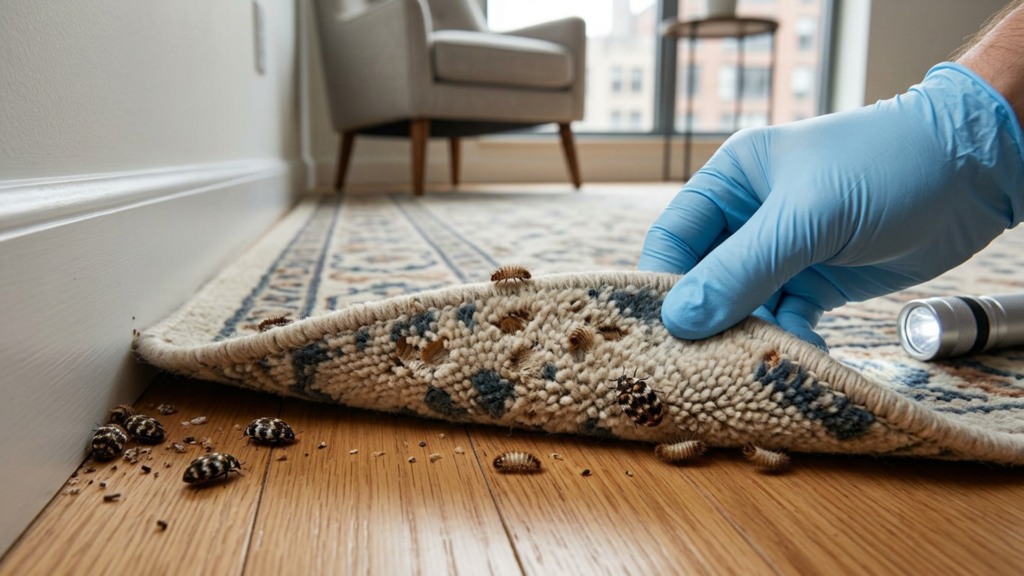
The varied carpet beetle (Anthrenus verbasci) is the species you’re most likely to encounter in a New York City apartment. Adults are tiny (2–3 mm), round, and covered in mottled white, brown, and yellowish scales — the University of Maryland’s guide to identifying household insect pests provides excellent reference images for this species.
The black carpet beetle (Attagenus unicolor) is another frequent NYC resident. It’s solid dark brown to black, slightly more elongated than the varied species, and its larvae are distinctive — golden-brown, carrot-shaped, with a telltale tail tuft of bristly hairs.
Less common but still documented in NYC-area buildings are the furniture carpet beetle (Anthrenus flavipes) and the brown carpet beetle (Attagenus smirnovi), which has been observed and cataloged by naturalists in the region and tends to thrive in heated apartment buildings year-round.
Why NYC Buildings Create the Perfect Environment
Pre-war buildings — the architectural backbone of Brooklyn and Manhattan — feature gaps around pipes, baseboards, and shared walls that give carpet beetles easy migration routes between units. Pests thriving in cramped, aging housing is nothing new in the city; a historical look at tenement pests in New York shows that insects have plagued multi-unit dwellings here for well over a century.
NYC’s density of vintage shops, thrift stores, and secondhand furniture culture increases the chance of introducing beetles unknowingly. That gorgeous mid-century dresser from the estate sale? It might come with passengers.
Hardwood-floor apartments are absolutely not immune. Carpet beetles thrive on dust, pet hair, lint, and natural-fiber area rugs even without wall-to-wall carpeting. Seasonally, adults are most active in spring and early summer when they fly toward light and enter through windows, but larvae cause damage year-round in heated NYC apartments — meaning the problem never truly goes dormant.
What Are the Most Obvious Signs of Carpet Beetles in Your Home?
Damage to Natural Fibers and Fabrics
The most alarming sign is usually the damage itself: irregular holes or thinning patches in wool clothing, silk scarves, cashmere sweaters, and natural-fiber rugs. It’s important to know that this damage is caused exclusively by larvae, not the adult beetles you might spot on your windowsill.
Damage often appears in hidden areas — along seams, underneath collars, inside dark closets, and on the underside of area rugs. If you own fur, feathers, or vintage taxidermy items stored in closets, check those carefully too. Inherited or secondhand items are particularly vulnerable.
Shed Larval Skins, Fecal Pellets, and Other Physical Evidence
One of the most reliable indicators is finding tiny, bristly, translucent cast skins along baseboards, under furniture, and inside dresser drawers. These are molted exoskeletons from larvae going through up to 20 growth stages — and they accumulate over time, making them easier to spot than the larvae themselves.
Small fecal pellets — roughly the size of a grain of sand and dark in color — often appear near food sources or in lint accumulations behind furniture. Adult beetles found on windowsills or near light sources are another telltale sign, especially in spring when they’re trying to get outside to feed on pollen.
Where to Look in a NYC Apartment
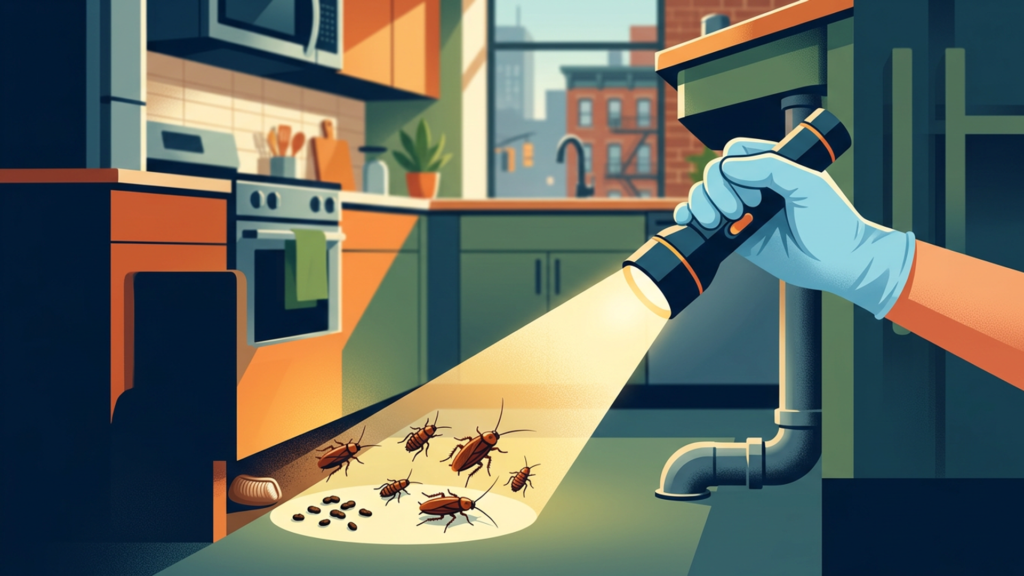
Start with the usual suspects: under beds and bed frames, inside closet corners, along baseboards where lint collects, and behind radiators. These are the most common hiding spots in typical NYC apartment layouts.
Don’t skip HVAC vents, the crevices of hardwood flooring where pet hair and dust accumulate, or the areas around ductwork. In older buildings, these spots can harbor years of organic debris.
NYC residents have reported finding beetles in unexpected locations too — inside dishwashers, near drywall cracks, and within stored boxes, as documented in a cooperative extension thread about tiny NYC apartment insects. Severe infestations can spread well beyond typical areas, so a thorough inspection is always worthwhile.
Are Those Carpet Beetles or Bed Bugs — and How Can NYC Renters Tell the Difference?
Visual Identification Side by Side
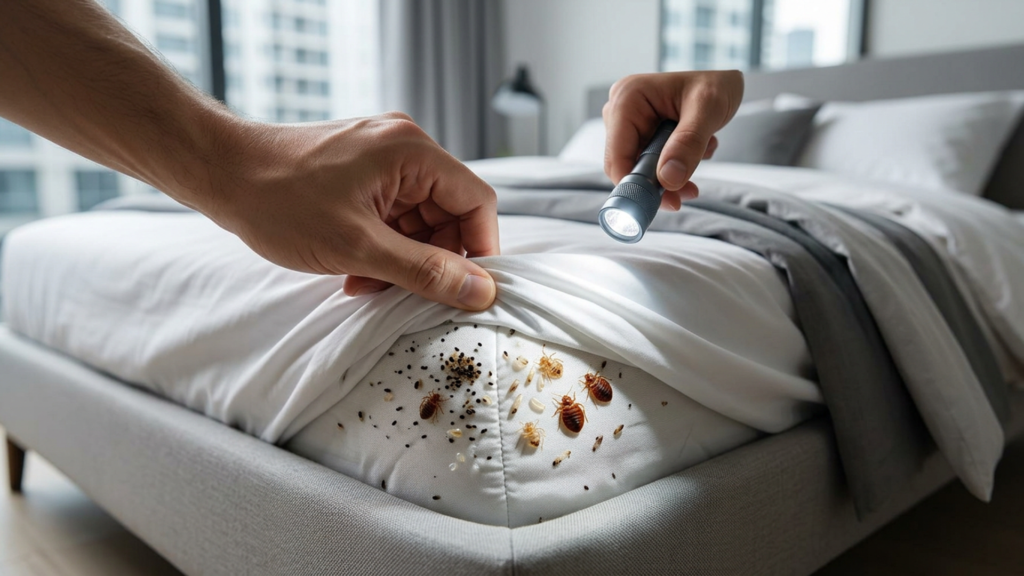
This is the question that keeps NYC renters up at night. Carpet beetle adults are round or oval, 1.5–4 mm, and often patterned with colorful scales. Bed bug adults are flat, oval, reddish-brown, 4–7 mm, and shaped like an apple seed — a Michigan Department of Health tip sheet on identifying bed bugs provides clear visual comparisons.
Carpet beetle larvae are fuzzy, bristly, and carrot-shaped with brown stripes. Bed bug nymphs are translucent to light brown, smooth, and hairless. NYC K9 inspection companies have reported that the majority of “bed bug” photos sent by anxious clients are actually carpet beetles or other harmless insects. One more key difference: carpet beetles can fly and are attracted to light, while bed bugs cannot fly and hide in mattress seams and bed frames.
Skin Reactions: Carpet Beetle Dermatitis vs. Bed Bug Bites
Here’s where things get tricky. Carpet beetle larvae have tiny barbed hairs called setae that cause allergic dermatitis — itchy, red, bumpy rashes that can look nearly identical to bed bug bites. Texas A&M’s resource on diagnosing mysterious “bug bites” explains how many skin reactions attributed to insects actually come from non-biting sources like carpet beetle larvae.
Bed bug bite reactions vary wildly from person to person. Some people show no reaction for up to two weeks, while others develop welts within hours — this delay causes frequent misdiagnosis in NYC. The key differentiator is location: carpet beetle rashes occur where skin contacts infested fabrics (torso, arms), while bed bug bites typically appear on exposed skin (face, neck, hands) in linear or clustered patterns.
When in doubt, look for physical evidence rather than relying on skin reactions alone — inspect your mattress seams, baseboards, and windowsills, and consider professional bed bug control services if you’re unsure what you’re dealing with.
Why Misidentification Is So Costly in NYC
Treating for bed bugs when you have carpet beetles — or vice versa — wastes money and delays resolution. NYC bed bug treatments can cost $1,000–$3,000 or more, while carpet beetle treatments are significantly less expensive.
Correct identification determines the entire treatment approach, since carpet beetles require fundamentally different strategies than bed bugs, and a professional pest control assessment can save you from expensive missteps. In a city where pest anxiety runs high, getting the right answer first is worth the effort.
What Causes Carpet Beetle Infestations in NYC — Even in Clean Apartments?
Debunking the Cleanliness Myth
Let’s be clear: carpet beetles are not a sign of a dirty home. Even meticulously clean apartments get them because larvae feed on microscopic organic matter that accumulates in hard-to-reach areas no amount of regular cleaning fully eliminates.
Dust bunnies under heavy furniture, pet hair wedged in floor crevices, and lint behind baseboards provide ample food. NYC’s older building stock means more cracks, gaps, and hidden voids where organic debris collects undisturbed for years.
Common Entry Points in Multi-Unit NYC Buildings
Migration through shared walls, plumbing chases, and electrical conduit from neighboring apartments is one of the most common pathways. Multiple NYC residents report finding beetles shortly after seeing neighbors discard infested furniture on the curb — a familiar sight on any Brooklyn or Manhattan block.
Open windows in spring and summer attract adult beetles seeking light and pollen, and window screens with even small gaps are a common entry point. Secondhand furniture, vintage clothing, thrift store finds, and even fresh-cut flowers can introduce carpet beetles into your home, as noted by Beyond Pesticides in their carpet beetle prevention guide.
The Carpet Beetle Life Cycle and Why It Matters for Treatment
Understanding the life cycle is critical for effective treatment. Females lay 40–100 eggs near food sources, and eggs hatch in just one to two weeks. The larval stage is the destructive one — larvae feed for anywhere from two months to over a year depending on conditions, molting multiple times and leaving shed skins behind.
Adults live only two to six weeks and feed on pollen, not fabrics. So if you’re seeing adults on your windowsills, larvae are likely already established somewhere in the apartment. Killing visible adults alone won’t solve the problem — you must target larvae and eliminate their food sources.
How Should NYC Renters Get Rid of Carpet Beetles — and What Are Your Tenant Rights?
Effective DIY Steps for NYC Apartments
Thorough vacuuming is the single most effective first step. Vacuum all carpets, rugs, baseboards, closet floors, under furniture, and upholstered items — then dispose of the vacuum bag in a sealed bag immediately. This removes larvae, eggs, shed skins, and the organic debris they feed on in one pass.
Launder and heat-treat all natural-fiber clothing, linens, and stored textiles on high heat (120°F or higher for 30 minutes kills all life stages). Declutter closets and storage areas to eliminate hiding spots, and store off-season woolens in sealed plastic bins or garment bags.
Focus targeted cleaning on dust traps: behind radiators, inside HVAC vents, under heavy appliances, and along hardwood floor gaps — these are the spots that matter most in a typical Brooklyn apartment, and pest control professionals in Brooklyn consistently identify them as primary larval habitats.
When to Call a Professional — and What It Costs in NYC
If DIY efforts don’t reduce sightings within two to four weeks, or if you find larvae in multiple rooms, professional treatment is recommended. NYC professional carpet beetle treatments typically range from $200–$600 for a single apartment, depending on severity and size — significantly less than bed bug treatment.
Professionals use targeted insecticide applications, including dust formulations like CimeXa applied into crevices — the CimeXa insecticide dust label details how this desiccant works against crawling insects — along with pheromone traps for ongoing monitoring. They can also identify the source of infestation in multi-unit buildings, which is often impossible for tenants to do alone.
For residents across all five boroughs — whether you need pest control in Manhattan, pest control in Queens, pest control in the Bronx, or pest control on Staten Island — local professionals understand NYC building types and can coordinate with building management when needed.
NYC Tenant Rights and Landlord Responsibilities
Under NYC Housing Maintenance Code, landlords are generally responsible for pest control in multi-unit residential buildings. This includes carpet beetles when the infestation is building-wide or originates from common areas or neighboring units.
New York State law requires landlords to disclose known pest infestations. Tenants should document evidence — photos with timestamps, written descriptions of damage, and the locations where beetles were found — and submit written complaints to their landlord or management company.
If your landlord is unresponsive, NYC tenants can file complaints with 311 or contact HPD (Housing Preservation & Development). Pest infestations can constitute a housing code violation. In NYCHA buildings, residents should submit a maintenance request specifically for pest control services.
How Can You Prevent Carpet Beetles From Coming Back?
Long-Term Prevention Strategies for NYC Living
Vacuum weekly with special attention to edges, corners, and under furniture — this single habit eliminates the organic debris larvae need to survive. It’s the most effective long-term prevention strategy, bar none.
Install or repair window screens before spring to block adult beetles from entering, and use draft guards under doors in multi-unit buildings. Store natural-fiber clothing in airtight containers with cedar blocks or lavender sachets, and dry-clean wool and silk items before long-term storage.
Monitoring and Seasonal Awareness
Place sticky pheromone traps (available at NYC hardware stores and online) near windowsills, closets, and under beds to monitor for activity. Peak adult activity in NYC occurs from April through June — increase vigilance during these months and inspect any fresh-cut flowers before bringing them inside.
After treating an infestation, continue monitoring for at least three to six months to ensure all larvae have been eliminated. Given their potentially long development cycle, patience and consistency are essential. Differentiating carpet beetles from other pests is also important during this period — if you’re dealing with skin reactions and aren’t sure of the cause, our guide on bed bug treatment in Manhattan can help you rule out other possibilities.
Managing Pest Anxiety After Discovery
Finding carpet beetles is stressful, but they are far less serious than bed bugs. They don’t bite, don’t spread disease, and infestations are highly manageable with consistent effort. As Cornell Cooperative Extension notes in a post about common household pests in New York, a few carpet beetle specimens are considered normal in virtually any home.
Avoid going down internet rabbit holes that amplify anxiety. Focus on actionable steps: vacuum, launder, inspect, and monitor. If the discovery is affecting your mental health or daily functioning — a genuinely common experience among NYC renters — remind yourself that you’re dealing with one of the most treatable household pest issues there is.
Found Signs of Carpet Beetles in Your NYC Apartment — What Should You Do First?
Your Immediate Action Checklist
-
Don’t panic — carpet beetles are common, manageable, and not a health emergency.
-
Identify what you’re dealing with — compare your findings to the visual descriptions above and confirm it’s not bed bugs. If you’re uncertain, our guide on how to identify bed bugs in Queens can help you compare the two pests side by side.
-
Begin thorough vacuuming and laundering immediately — inspect closets, under beds, and along baseboards for larvae and shed skins.
-
Document the evidence and notify your landlord in writing if you’re in a multi-unit building, especially if you suspect the source is a neighboring apartment.
When the Problem Is Bigger Than DIY
If you’re finding carpet beetle larvae in multiple rooms, seeing damage to multiple items, or live in a building where neighbors have also reported beetles, it’s time for professional help. Similarly, if you’re dealing with cockroach control in Brooklyn or other concurrent pest issues, a comprehensive professional assessment can address everything at once.
A licensed NYC pest control professional can identify the species, locate the source — even in shared-wall scenarios — and apply targeted treatments that are safe for apartment living. Remember: early intervention is always cheaper and faster than waiting, and in NYC, your landlord may be legally obligated to cover the cost.
The bottom line? Carpet beetles are a nuisance, not a catastrophe. With the right identification, consistent cleaning habits, and knowledge of your rights as a NYC tenant, you can resolve the issue and prevent it from coming back. Take it one step at a time, and you’ll have this under control sooner than you think.
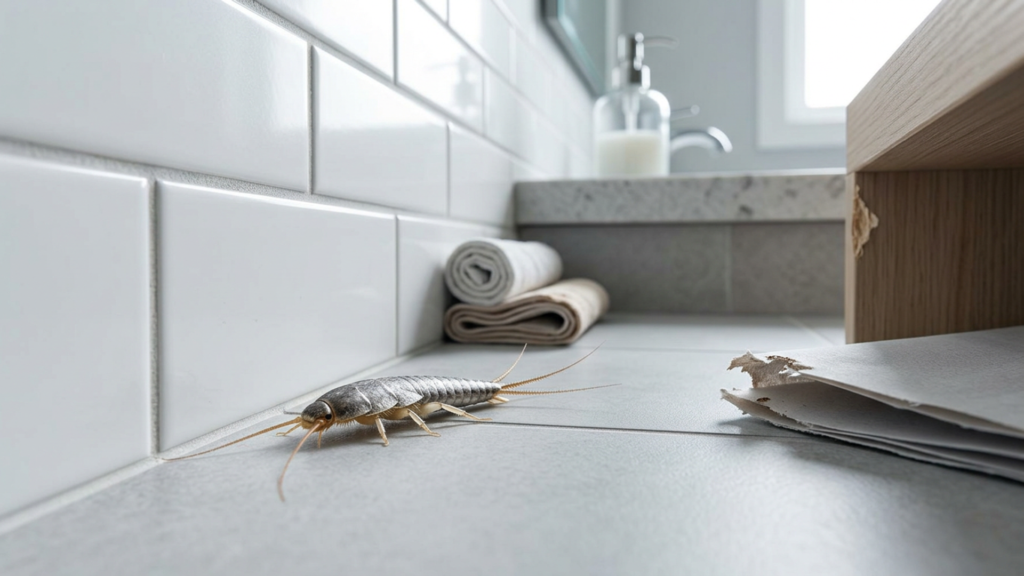
Related guides for NYC residents: If you’re dealing with other pests, check out our guides on Signs of Bed Bugs in NYC and Signs of Silverfish in NYC Apartments.