Found a strange, silvery bug darting across your bathroom floor at 2 AM? You’re not alone — silverfish are one of the most common yet misunderstood pests in New York City apartments, especially in older pre-war buildings across Manhattan, Brooklyn, and Queens. But how do you know if that one sighting means you have a full-blown infestation, or if it’s just part of NYC apartment living? This guide breaks down the telltale signs of silverfish, NYC-specific challenges renters face, and exactly what to do before these fast-breeding pests destroy your belongings.
Silverfish in your NYC bathroom?
26+ years on NYC moisture pest work. We treat the silverfish and address the humidity sources they need to survive, kid-friendly and pet-friendly methods, no annual contracts.
What Do Silverfish Actually Look Like — And Are You Sure That’s What You’re Seeing?
Common Silverfish Identification Features
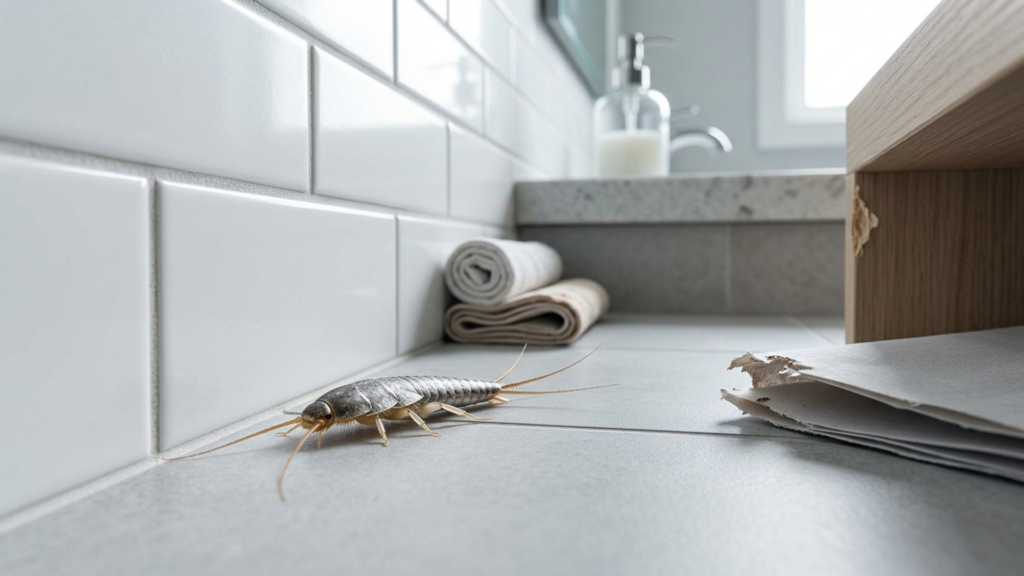
Silverfish have a distinctive teardrop-shaped body, typically ½ to ¾ inch long, covered in silvery-gray scales that give off a metallic sheen. You’ll notice three long, tail-like appendages (called cerci) at the rear and two long antennae up front.
They’re wingless and incredibly fast, wriggling in a fish-like motion when disturbed — which is exactly how they got their name. Because they’re nocturnal, most NYC residents only encounter them during late-night trips to the kitchen, bathroom, or closet.
Silverfish vs. Firebrats vs. Four-Lined Silverfish in NYC
Not every silvery bug scurrying along your baseboard is a common silverfish. Firebrats (Thermobia domestica) look similar but prefer hot, humid spots near boilers and heating pipes — making NYC basements their favorite hangout. They’re mottled gray-brown rather than silvery.
Four-lined silverfish (Ctenolepisma lineata) are increasingly showing up in NYC apartments and are slightly larger with faint dark lines along the body. They’re frequently misidentified, and according to the University of Maryland’s guide to identifying household insect pests, correct species identification matters because treatment approaches can differ. When in doubt, capture one in a clear container or snap a photo and consult a pest control service for accurate ID.
Centipedes as a Hidden Clue to Silverfish Presence
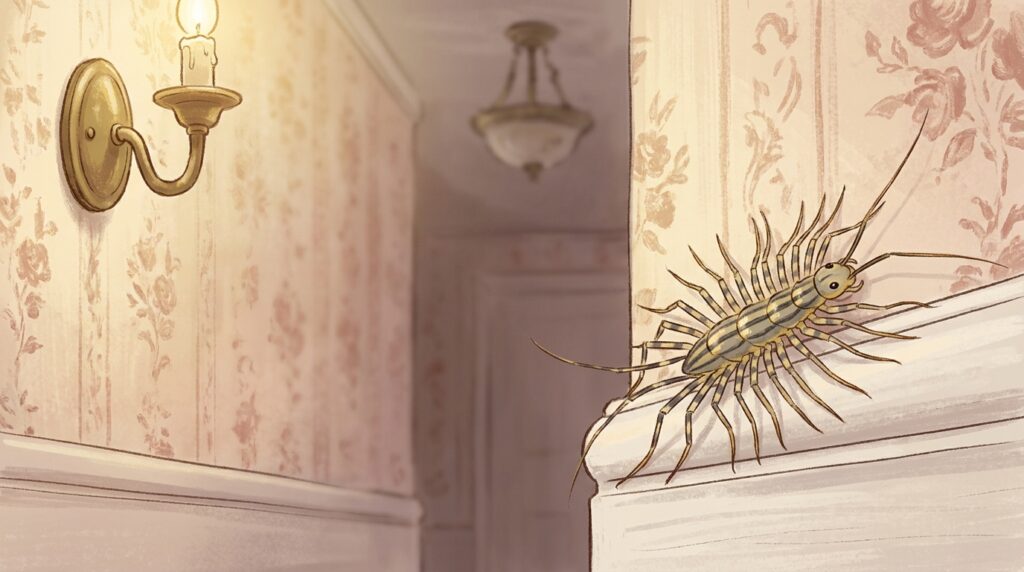
Here’s something most generic pest guides won’t tell you: house centipedes are natural predators of silverfish. If you’re seeing centipedes regularly in your apartment, they may be feeding on a hidden silverfish population you haven’t spotted yet.
NYC apartments with both centipede and silverfish sightings almost certainly have an established colony behind walls or under floors. Eliminating the silverfish food source often reduces centipede sightings as well — two problems, one solution.
What Are the Most Common Signs of a Silverfish Infestation in NYC Apartments?
Damage to Paper, Clothing, and Stored Items
Silverfish feed on starches, cellulose, and natural fibers like cotton and silk. Look for irregular holes, notches, or surface etching on books, wallpaper, cardboard boxes, and important documents.
Yellowish stains on fabrics, linens, and clothing are another telltale sign. Damaged photo albums, old newspapers, and stored paperwork in closets are classic indicators in older NYC apartments — especially those packed with decades of accumulated belongings. The National Pest Management Association’s silverfish infestation guide notes that these pests can cause substantial damage to paper goods and textiles over time.
Droppings, Shed Skins, and Egg Deposits
Silverfish leave behind tiny black pepper-like droppings in drawers, along baseboards, in closet corners, and under sinks. You’ll also find translucent, molted exoskeletons scattered in hidden areas — silverfish molt throughout their entire lifespan, which can stretch up to eight years.
Their small, whitish oval eggs (about 1mm) get deposited in cracks, crevices, and behind bathroom tiles. These are often invisible without close inspection, so grab a flashlight and check those tight spots.
Yellow Stains and Feeding Trails
Unexplained yellow discoloration on books, wallpaper seams, and fabric surfaces indicates silverfish secretions. Feeding trails may appear as thin, scraped paths on the surface of paper or cardboard.
These signs often appear long before you spot a live silverfish, especially in cluttered storage areas. If you’re noticing damage but haven’t seen a bug, don’t assume it’s just wear and tear.
How Many Silverfish Sightings Mean You Have a Real Infestation in NYC?
The NYC Infestation Threshold — When to Worry
Seeing one or two silverfish over several months may be incidental, but even a few sightings warrant investigation since silverfish reproduce quickly and stay hidden. Spotting three or more within a few weeks — especially in different rooms — strongly suggests an established colony behind walls or under floors.
NYC renter communities consistently warn not to dismiss early sightings — one forum thread on silverfish removal illustrates how quickly a minor nuisance can escalate. By the time you’re seeing them regularly, the population may already number in the hundreds.
Seasonal Activity Patterns Specific to NYC
NYC’s humid summers from June through September dramatically increase silverfish activity and visibility as they seek moisture. During the cooler months from November through May, sightings may drop to near zero — but the colony is still present and breeding in warm, damp areas near pipes and radiators.
A sudden spike in sightings after a heat wave or prolonged humidity is normal for NYC and doesn’t necessarily mean a new infestation. It means the existing one is thriving.
Multi-Unit Building Realities
In NYC apartment buildings, silverfish travel freely through shared walls, pipe chases, electrical conduits, and gaps around plumbing. Treating only your unit is often futile if neighboring apartments or the building’s basement harbor infestations.
Coordinating with your landlord and building management for building-wide treatment is the single most important step NYC renters overlook. A resource on tenement pests in New York City shows that shared-wall pest problems have plagued multi-unit housing for well over a century. Your perfectly sealed apartment means nothing if the unit next door is a silverfish sanctuary.
Why Do Silverfish Suddenly Appear After Renovations or Plumbing Work?
Disturbed Walls and Hidden Colonies
Opening walls during bathroom or kitchen renovations frequently exposes silverfish colonies that have lived undisturbed for years. Plumbing work can also create new gaps and moisture entry points that attract silverfish to previously unaffected rooms.
This is an extremely common trigger in NYC apartments — particularly in pre-war buildings undergoing updates — yet it’s rarely discussed. If your silverfish problem started right after construction, now you know why.
Moisture and Humidity as the Root Cause
Silverfish require 75–90% relative humidity to thrive, and NYC bathrooms, kitchens, and laundry areas deliver exactly that. Leaking pipes, poor ventilation, and condensation around old windows create microclimates silverfish love.
Addressing moisture is the single most effective long-term silverfish prevention strategy. Use exhaust fans, fix leaks promptly, and consider a dehumidifier for problem rooms. Residents seeking pest control in Queens often find that older housing stock with outdated plumbing creates persistent moisture issues that fuel infestations.
Where Silverfish Hide in NYC Apartments
Their favorite hiding spots include behind bathroom tiles, under bathtubs, inside wall voids near plumbing stacks, and behind radiator covers. Inside cardboard boxes in closets, under kitchen sinks, and in bookshelves pressed against exterior walls are also prime real estate.
Basements, storage units, and laundry rooms in NYC buildings are common colony headquarters that feed apartment-level sightings throughout the building.
Silverfish in your NYC bathroom?
26+ years on NYC moisture pest work. We treat the silverfish and address the humidity sources they need to survive, kid-friendly and pet-friendly methods, no annual contracts.
What Actually Works to Get Rid of Silverfish in a NYC Apartment?
Proven DIY Treatments and Specific Product Recommendations
Dekko Silverfish Paks are consistently the top community-recommended product — place them in closets, drawers, bookshelves, and under bathroom sinks where silverfish travel. Food-grade diatomaceous earth applied lightly in cracks, behind baseboards, and along pipe entry points damages silverfish exoskeletons and dehydrates them.
Sticky traps placed along baseboards and in closets help monitor population levels and confirm which rooms are most affected. As recommended in the city’s Integrated Pest Management Toolkit, sealing cracks around baseboards, pipes, and electrical outlets with caulk is essential to limit movement between rooms and units.
Prevention Strategies for NYC Renters
Reduce humidity below 60% using dehumidifiers and exhaust fans — this alone can make your apartment inhospitable to silverfish. Replace cardboard storage boxes with sealed plastic bins, especially in closets and storage areas.
Vacuum regularly along baseboards, behind furniture, and in closet corners to remove eggs, droppings, and food sources. When moving apartments in NYC, inspect and clean all belongings — books, boxes, clothing — before packing, and never transport cardboard from infested units to your new place. Florida’s integrated pest management guide offers a useful framework for understanding how sanitation and exclusion work together in long-term prevention.
When to Call a Professional and Your Rights as a NYC Tenant
If DIY treatments don’t reduce sightings within four to six weeks, or if you’re seeing silverfish daily, professional treatment is necessary. Reach out to pest control in Manhattan or pest control in Brooklyn depending on your borough.
Under NYC’s Housing Maintenance Code, landlords are generally responsible for pest control in multi-unit residential buildings. Document sightings and damage with photos and dates, then submit a written request to your landlord or management company. If they fail to act, file a complaint with 311 or HPD — pest infestations can constitute a violation of the warranty of habitability.
Are Silverfish Dangerous — And What Happens If You Ignore Them?
Health Risks and Property Damage
Silverfish don’t bite, sting, or transmit diseases — but they’re far from harmless to your belongings. Research on the public health significance of urban pests confirms that while silverfish aren’t disease vectors, household pest allergens can still affect indoor air quality. They can cause significant damage to irreplaceable items: books, family photos, important documents, vintage clothing, and wallpaper.
Silverfish allergens from droppings and shed skins may also trigger allergic reactions or worsen asthma symptoms in sensitive individuals. For residents in the Bronx or Staten Island dealing with similar concerns, pest control in the Bronx and pest control in Staten Island services can help assess allergen risks alongside treatment.
The Cost of Inaction in a NYC Apartment
Silverfish populations grow exponentially in favorable conditions — a small problem in June can become a major infestation by September. Ignoring silverfish can also signal broader moisture issues that may lead to mold, structural damage, or attract other pests like cockroaches in Brooklyn and rats in Manhattan.
Even mosquito problems in Queens share the same root cause — excess moisture and poor building maintenance. Addressing these underlying conditions protects you from multiple pest threats simultaneously.
Key Takeaways for NYC Renters Dealing with Silverfish
Silverfish are a reality of NYC apartment living, but they don’t have to be a permanent one. Start by confirming what you’re actually dealing with — species identification matters. Michigan State University’s general pest management manual is a solid reference for understanding how identification drives effective treatment. Look for the less obvious signs: droppings, shed skins, yellow stains, and paper damage, not just live bugs.
Act early, address moisture first, and think building-wide. Dekko paks and diatomaceous earth handle immediate populations, but long-term success depends on reducing humidity, sealing entry points, and getting your landlord involved. It’s also worth understanding how pesticide products are regulated — the EPA’s pesticide label review manual explains the labeling requirements that govern what you can legally use in a residential setting. If you’re in an older building with pest concerns in Manhattan, remember that your lease and NYC law are on your side — document everything and don’t hesitate to escalate.
The silverfish you see at 2 AM are just the tip of the iceberg. But with the right approach, you can take back your apartment.
Related guides for NYC residents: If you’re dealing with other pests, check out our guides on Signs of Carpet Beetles in NYC and Signs of Cockroaches in NYC.