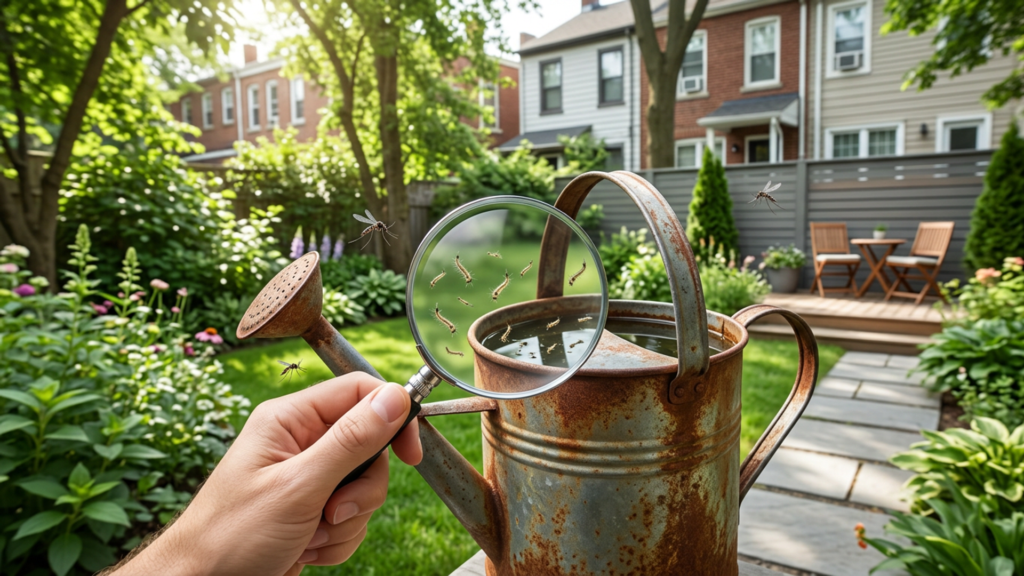
If you’ve been swatting more than usual this spring, you’re not alone — NYC officials are warning that 2026 could be one of the worst mosquito seasons in years, driven by a wet spring and warming climate trends. Whether you have a Brooklyn brownstone garden, a Queens backyard, or a Bronx patio, knowing the signs of mosquito activity is the first step toward protecting your family from bites and mosquito-borne diseases like West Nile virus.
This guide breaks down exactly what to look for, which NYC-specific species are causing problems, and what actually works to keep mosquitoes away — including solutions for when the standard advice falls short.
Mosquitoes ruining your NYC backyard?
26+ years on NYC and Long Island mosquito work. Ecovia MT plant-based yard treatments that are kid-friendly and pet-friendly, no annual contracts.
What Are the Most Common Signs of Mosquitoes in Your NYC Yard?
Standing and Stagnant Water Breeding Sites
Start with the obvious: any container holding water for more than 48 hours is a potential mosquito nursery. Check flower pot saucers, clogged gutters, tarps, kiddie pools, and forgotten buckets — mosquitoes need as little as a bottle cap of water to breed.
Birdbaths, rain barrels, and neglected outdoor pet bowls are among the most overlooked breeding grounds in NYC yards. Poor drainage systems and low spots that collect rainwater create persistent breeding habitat that’s surprisingly easy to miss, especially in older properties with uneven grading.
Mosquito Larvae in Water Sources
If you want confirmation that mosquitoes are actively breeding on your property, look for tiny, wriggling comma-shaped organisms just below the water surface. These are mosquito larvae — also called “wrigglers” — and spotting them means you’ve found an active breeding site.
Larvae are most visible in still, sunlit water during warmer months. Check weekly, because eggs can hatch in as little as 24–48 hours. According to a guide on mosquito control around homes, a single female mosquito can lay hundreds of eggs at a time, so even one overlooked water source can fuel a massive population explosion.
Buzzing, Visible Swarms, and Increased Bites
A persistent high-pitched buzzing at dawn or dusk — or during the daytime in shaded areas — signals an active mosquito population nearby. Visible clouds of mosquitoes hovering near vegetation, fences, or shaded structures indicate a well-established colony.
If you or your family are getting bitten more frequently, especially on ankles and legs while gardening or relaxing outdoors, mosquitoes are already breeding close by. Don’t dismiss a few bites as normal summer annoyance — they’re a diagnostic clue.
Which Mosquito Species Should NYC Homeowners Worry About?
Asian Tiger Mosquitoes (Aedes albopictus) — NYC’s Aggressive Daytime Biter
The Asian tiger mosquito is the dominant nuisance species in NYC neighborhoods like Astoria, Brooklyn, and Staten Island. You can identify them by their black-and-white striped legs and aggressive daytime biting behavior — they don’t wait politely for dusk.
Unlike common mosquitoes, Asian tiger mosquitoes breed readily in damp vegetation, leaf litter, and tiny water pockets in dense plantings. They have a short flight range of about 200 yards, which means if you’re getting bitten, they’re almost certainly breeding on or very near your property, as confirmed by NYC’s mosquito surveillance program.
Common House Mosquitoes and Culex Species
Culex pipiens, the northern house mosquito, is the primary carrier of West Nile virus in NYC and breeds in stagnant, nutrient-rich water like storm drains and catch basins. These mosquitoes are most active at dusk and dawn and are drawn to areas with overgrown vegetation and poor air circulation.
NYC’s Department of Health monitors mosquito populations through trapping programs across all five boroughs, tracking Culex levels to trigger public health interventions when needed.
2026 NYC Mosquito Season Forecast and Climate Factors
NYC’s wet spring in 2026, combined with milder winters and climate change trends, is creating ideal conditions for earlier and more intense mosquito seasons across the Northeast. Local residents report mosquito seasons getting noticeably longer and more aggressive year over year — and this isn’t just anecdotal. It aligns with entomological data showing warmer overnight temperatures help mosquitoes survive longer into fall, extending the window of disease transmission risk.
What Should You Do When Eliminating Standing Water Isn’t Enough?
Dealing with Neighboring Properties, Creeks, and Uncontrollable Breeding Sources
Here’s where many NYC homeowners hit a wall: you’ve eliminated every water source on your property, but mosquitoes keep coming from untreated neighboring yards, nearby creeks, or city infrastructure. Mosquitoes can breed in damp soil and marshy ground near natural water sources — not just open standing water — making some infestations impossible to solve alone.
Contact NYC 311 to report mosquito problems. The city offers free larviciding of catch basins and may deploy mosquito fish in local waterways through its vector control program — a resource many residents don’t realize exists.
Mosquito Dunks, Traps, and Non-Spray Alternatives
Mosquito dunks (BTI-based larvicide tablets) are the most consistently recommended DIY solution across NYC communities. They’re safe for birdbaths, rain barrels, and pet water dishes and kill larvae without harming other wildlife, as noted by the Healthy Yards guide on mosquitoes.
University of Florida-developed mosquito traps offer year-round population reduction as a next-generation alternative to spraying — worth considering for NYC homeowners looking to avoid mosquitoes without chemicals. And don’t underestimate the box fan trick: a fan with fine mesh taped over it creates a surprisingly effective low-tech trap for patios and small outdoor spaces.
Overgrown Vegetation and Yard Maintenance
Mosquitoes rest in tall grass, dense shrubs, leaf piles, and shaded areas during the heat of the day — keeping vegetation trimmed reduces harborage dramatically. A gardening checklist from Cornell Extension reinforces the importance of regular yard maintenance, so clear ivy, ground cover, and dense plantings near seating areas and entryways, especially on the north and east sides of your property where shade lingers longest.
Improve air circulation in your yard. Even a well-placed outdoor fan can make a seating area virtually mosquito-free since mosquitoes are notoriously weak fliers.
Are Mosquito Spraying Services Actually Worth It — and Are They Safe?
The Truth About Synthetic Pyrethroids and “Organic” Claims
Many companies marketing “organic” or “natural” mosquito spraying are actually using synthetic pyrethroids — chemical insecticides that kill beneficial pollinators like bees and butterflies along with mosquitoes. Wind carries spray chemicals to neighboring properties and waterways, which has sparked significant community backlash across NYC-area neighborhoods.
Pregnant residents and families with young children have raised legitimate safety concerns about chemical exposure from both their own and neighbors’ spraying treatments. It’s worth asking hard questions before signing up for any spray program.
Why Killing Adults Alone Doesn’t Work — The Egg Prevention Gap
Spraying kills adult mosquitoes on contact but provides only temporary relief — often just days — before mosquitoes return from untreated areas and new generations hatch from existing eggs. Effective mosquito control requires an Integrated Pest Management (IPM) approach: combining larviciding, habitat reduction, biological controls, and targeted adult treatment rather than blanket spraying alone.
NYC’s own mosquito control program uses IPM principles, prioritizing surveillance and larviciding before resorting to adulticide spraying, which aligns with NYSDEC mosquito control guidelines.
When Professional Pest Control Makes Sense
If you’ve tried DIY methods and are still dealing with heavy mosquito pressure — especially near creeks, marshes, or large untreated neighboring lots — professional intervention is warranted. Look for pest control companies that use IPM-based approaches and BTI larviciding rather than relying solely on perimeter spraying.
Borough-specific services can address localized conditions: mosquito control in Queens, mosquito control in Brooklyn, mosquito control in the Bronx, and mosquito control in Staten Island each deal with unique challenges shaped by local geography and infrastructure.
How Do Mosquitoes Get Inside NYC Homes and Apartments?
Common Indoor Entry Points
Mosquitoes slip through torn window screens, gaps around AC units, and briefly opened doors — Asian tiger mosquitoes are especially adept at following people inside. Drain pipes and plumbing gaps can also serve as entry points, particularly in older NYC buildings with aging infrastructure.
In buildings where cockroach control in Brooklyn is already a concern, the same structural gaps that let roaches in often provide mosquito access too. Double-screen entry systems are highly effective for homes with heavy outdoor mosquito pressure.
Hidden Indoor Breeding and Resting Areas
Check for standing water inside your home: plant saucers, AC drip trays, and even floor drains with stagnant water can support mosquito breeding indoors. Mosquitoes rest in dark, humid areas like closets, under sinks, and behind furniture — a handheld vacuum can help eliminate adults hiding inside.
If you’re finding mosquitoes inside consistently, inspect the exterior of your building for breeding sources within 200 yards, especially if you’re dealing with Asian tiger mosquitoes.
Mosquitoes ruining your NYC backyard?
26+ years on NYC and Long Island mosquito work. Ecovia MT plant-based yard treatments that are kid-friendly and pet-friendly, no annual contracts.
What Health Risks Do NYC Mosquitoes Actually Pose?
West Nile Virus and Local NYC Cases
West Nile virus is the most significant mosquito-borne disease risk in NYC, transmitted primarily by Culex mosquitoes. The city confirms positive mosquito pools and human cases every summer, as documented in New York State’s disease FAQ.
In a tragic local case, a mother in the NYC metro area died from West Nile virus after a mosquito bite in her own backyard — a reminder that the health risk is real and not abstract. As a municipal guide on mosquitoes explains, Eastern Equine Encephalitis (EEE), while rarer, has also been detected in New York State and carries a much higher fatality rate than West Nile.
Protecting Your Family with Repellents and Smart Habits
EPA-registered repellents containing DEET, picaridin, or oil of lemon eucalyptus remain the most effective personal protection when spending time outdoors. Wear light-colored, long-sleeved clothing during peak mosquito hours and avoid outdoor activity at dusk when Culex mosquitoes are most active.
Protect children and pets proactively — and don’t overlook tick control services as well, since the same yard conditions that attract mosquitoes often harbor ticks. Properties across New York County face tick and mosquito pressure simultaneously, making comprehensive yard management essential.
Ready to Take Back Your NYC Yard from Mosquitoes This Season?
Your Action Plan Summary
Inspect your yard weekly for standing water, larvae, overgrown vegetation, and shaded resting spots — these are the four clearest signs mosquitoes have moved in. Deploy mosquito dunks in any water you can’t eliminate, maintain your yard, and report persistent problems to NYC 311 for free city larviciding services.
If DIY efforts aren’t cutting it — especially with aggressive Asian tiger mosquitoes or proximity to uncontrollable water sources — consider mosquito control in Queens from a provider that uses IPM-based methods tailored to your borough’s specific conditions.
Stay Vigilant Through the 2026 Season
With climate conditions making 2026 a particularly bad mosquito year for NYC, early and consistent action is your best defense. Combine personal protection — repellents, fans, screens — with property-level control like larviciding, habitat reduction, and professional treatment when needed.
Your yard doesn’t have to be a mosquito haven. The signs are easy to spot, the city resources are there to help, and the solutions are well within reach for every NYC homeowner willing to stay one step ahead this season.
Related guides for NYC residents: If you’re dealing with other outdoor pests, check out our guide on Signs of a Wasp Nest in NYC and Signs of Ants in NYC.