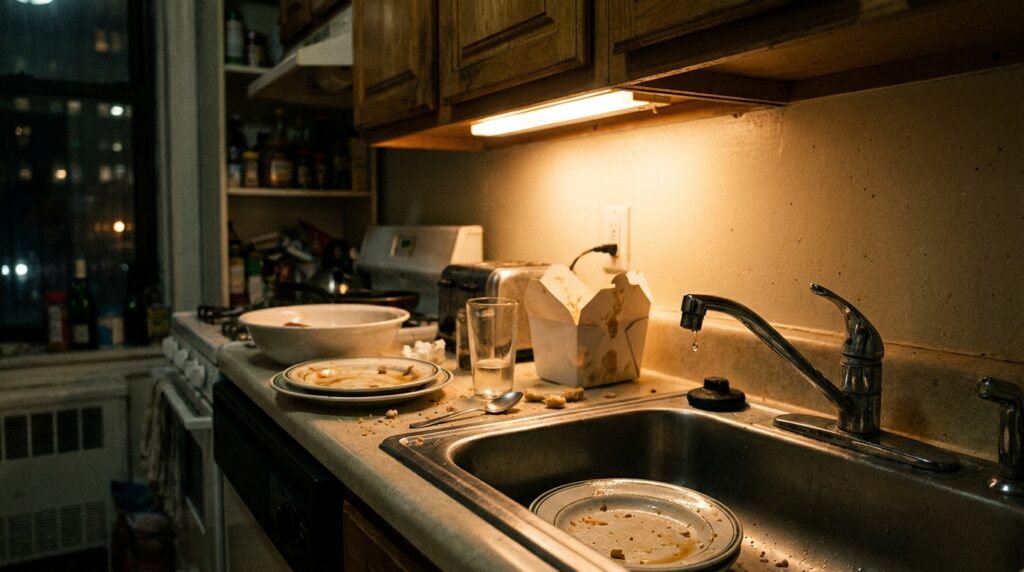
If you’ve flipped on a kitchen light at 2 a.m. and watched something skitter across the counter, welcome to one of New York City’s least charming rites of passage. But cockroaches don’t show up randomly — they’re drawn to specific conditions that NYC apartments practically specialize in. Whether you’re a new transplant in a pre-war walkup or a long-time resident who’s finally had enough, understanding exactly what attracts roaches is the first step to reclaiming your space. This guide breaks down every attractant with actionable solutions built specifically for NYC apartment living.
Cockroaches in your NYC kitchen?
26+ years treating NYC roaches. Gel baits and crack-and-crevice work that actually finishes the colony, no annual contracts, and a free inspection.
Which Cockroach Species Are Invading NYC Apartments?
German Cockroaches — The Indoor Menace
These small, light-brown roaches with two dark stripes behind the head are by far the most common species inside NYC apartments. A single female can produce hundreds of offspring in a year, so early identification is critical. They thrive in warm, humid indoor environments — especially kitchens and bathrooms — nesting close to food, water, and heat sources. According to the cockroach biology FAQ from UMass, German cockroaches are almost exclusively indoor pests, meaning seeing one is never a fluke.
American Cockroaches — The Sewer Dwellers
These are the big ones — up to two inches, reddish-brown, and often called “waterbugs.” They commonly enter from sewers, basements, and drains, especially in buildings near subway lines or older sewer infrastructure. Seeing one American cockroach may be incidental, but seeing one German cockroach almost always means dozens more are hiding nearby. Correct identification changes everything about your strategy, which is why a proper cockroach control approach starts with knowing what you’re dealing with.
What Food Sources Are Attracting Roaches to Your Kitchen?
Cockroaches survive on microscopic food residue — grease splatter behind the stove, crumbs under the toaster, residue inside the microwave. Pet food left out overnight is a major attractant many NYC pet owners overlook. Even soap residue and glue from cardboard boxes serve as food, as documented in research on pests near food sources.
NYC apartments often lack space for proper trash separation, leading to open or overflowing bins that are roach magnets. Recycling containers with unwashed cans and bottles are just as attractive as garbage. Take trash out nightly, use bins with tight-fitting lids, and don’t forget that indoor compost bins without airtight seals are a hidden attractant in eco-conscious households.
Your appliances are also part of the problem. Cockroaches nest inside and behind refrigerators, coffee makers, and toasters — drawn by warmth, moisture, and trapped food debris. The refrigerator motor area is one of the most common German cockroach harborage sites. When moving into a new apartment, inspect all appliances thoroughly — previous tenants’ roach problems often live inside the stove.
How Do Moisture Problems Make NYC Apartments a Roach Paradise?
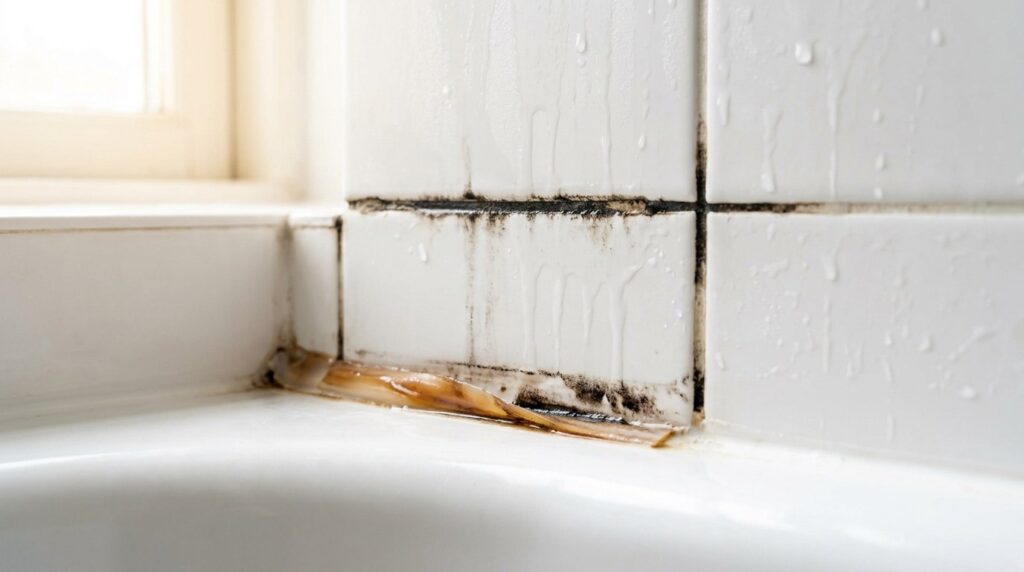
Cockroaches need water even more urgently than food — they can survive weeks without eating but only days without drinking. Pre-war buildings across Manhattan, Brooklyn, and the Bronx often have chronic pipe condensation, slow leaks, and sweating toilet tanks. Under NYC housing code, landlords are required to maintain plumbing in good repair, so report leaks immediately as outlined in the NYC health department pest guidance.
Don’t overlook hidden water sources: dish racks with standing water, pet bowls left out overnight, condensation from window AC units, and drip trays under houseplants. American cockroaches frequently enter through floor drains and shower drains, especially in lower-floor units. Install mesh drain covers on all drains and pour water down infrequently used drains weekly to maintain the P-trap seal — this simple step can dramatically reduce roach entry if you live in a building that needs cockroach control in Brooklyn or other boroughs with aging infrastructure.
What Building Conditions Are Outside Your Control?
Pre-war buildings have plaster walls with gaps, unsealed utility penetrations, and aging infrastructure that create countless roach entry points. Research on housing type and cockroach prevalence confirms that building conditions are among the strongest predictors of infestation — sometimes stronger than individual cleanliness.
Living above a restaurant, bodega, or grocery store dramatically increases roach exposure. Commercial kitchens generate massive amounts of food waste and moisture that sustain enormous roach populations in shared infrastructure. If you already live above a restaurant, aggressive sealing, drain covers, and consistent baiting are essential. Residents dealing with these conditions in Midtown or the Lower East Side often find that cockroach control in Manhattan requires this kind of multi-layered approach.
Lower floors are significantly more prone to problems due to proximity to basements and sewer lines, but higher floors aren’t immune — roaches travel through plumbing risers and compactor chutes. Building-wide infestations require building-wide treatment, and NYC landlords are legally obligated to provide it. Pests like roaches aren’t the only concern tied to aging plumbing and infrastructure — families can explore healthy homes resources for NYC to learn about broader environmental hazards in older housing.
Cockroaches in your NYC kitchen?
26+ years treating NYC roaches. Gel baits and crack-and-crevice work that actually finishes the colony, no annual contracts, and a free inspection.
Why Does Your Clean Apartment Still Have Roaches?
A spotlessly clean apartment can still have roaches if neighboring units have infestations. Cockroaches migrate through shared walls, plumbing, and electrical conduits constantly. A Rutgers study on cockroach presence confirmed that building conditions outweigh individual sanitation efforts in multi-unit housing. This is why cleanliness plus sealing plus baiting is the only formula that works — and why even fastidious residents in the Bronx and Queens sometimes need cockroach treatment in the Bronx or roach control in Queens.
Clutter also matters more than you’d think. Cockroaches are thigmotactic — they prefer tight spaces touching their bodies — so cardboard boxes, stacked newspapers, and stored grocery bags become ideal harborage. Switch to sealed plastic bins for all storage.
What Mistakes Make Your Roach Problem Worse?
Over-the-counter aerosol sprays like RAID kill roaches on contact but contain repellent chemicals that scatter the remaining population deeper into walls. Worse, sprays contaminate surfaces where gel bait is applied, making roaches avoid it entirely. Research shows that pesticide sprays drive cockroach resistance, making populations harder to eliminate over time.
The better approach? Advion gel bait applied in small pea-sized dots in cracks, crevices, under sinks, and behind appliances. Never use repellent sprays simultaneously with gel bait — the two are fundamentally incompatible. For households with kids and pets, NYC DOH recommends integrated pest management approaches that minimize pesticide use, as detailed in their guide to controlling pests safely.
How Do Seasons Affect Cockroach Activity?
Summer is peak cockroach season — heat accelerates reproduction and drives American cockroaches up from sewers. Preventive bait application in late May can get ahead of the surge, a strategy WNYC has covered for summer pest prevention. But winter doesn’t mean they’re gone. Roaches move deeper indoors, seeking warmth from radiators and pipes, making winter an ideal time to treat aggressively since populations are concentrated.
For year-round protection across New York County, many residents combine seasonal maintenance with professional pest control in Manhattan to stay ahead of the cycle. Warmer months also bring outdoor pests like mosquitoes and ticks, and residents may benefit from mosquito control in New York County as part of a broader seasonal strategy.
What Should You Look for When Apartment Hunting?
Visit apartments at night if possible — cockroaches are nocturnal, and evening visits reveal activity daytime showings hide. Check under sinks and behind the stove for droppings (small dark specks) or egg casings. Ground-floor restaurants in the building are the single biggest red flag, and checking the building’s 311 complaint history online can reveal systemic pest problems before you sign.
Before moving furniture in, caulk every gap along baseboards and around pipes, install mesh drain covers, and apply a preventive round of gel bait. This is standard advice whether you’re settling into cockroach-prone areas of Staten Island or anywhere else in the five boroughs.
When Should You Call a Professional?
Seeing a single German cockroach during daytime almost certainly means a significant hidden population. If you’ve followed a disciplined DIY protocol for four to six weeks without improvement, it’s time to bring in a licensed professional. Building-wide infestations cannot be solved at the individual apartment level — push your landlord to arrange coordinated treatment. The NYC DOH pest management tips outline your rights and the steps to file complaints through 311.
Residents across New York County needing cockroach control should know that professional IPM-based treatment combines targeted baiting, crack-and-crevice work, and follow-up visits for sustained results — far beyond what any single can of spray can accomplish. It’s also worth noting that outdoor spaces in the county can harbor ticks, and scheduling tick control in New York County alongside indoor pest treatment helps address the full range of seasonal threats.
Taking Back Your NYC Apartment From Cockroaches
Cockroaches are attracted to three things: food, water, and shelter — and NYC apartments provide all three in abundance. Correct species identification determines the right strategy. Cleanliness matters but isn’t enough alone; sealing entry points and maintaining an active bait program are equally critical in shared-wall housing.
Start tonight: wipe down the kitchen, seal food in airtight containers, and check under sinks for leaks. This weekend: caulk every visible gap and apply gel bait. This month: deep clean behind all appliances, flush every drain, and replace cardboard storage with sealed bins. NYC living comes with certain realities, but a roach-free apartment doesn’t have to be a fantasy — it just takes the right knowledge and a little consistency.