Waking up with a row of itchy bites around your ankles — and you don’t even own a pet? Welcome to one of the most frustrating discoveries a New York City renter can make. Fleas do not need a dog or a cat to move into your apartment, and once they settle in, swatting the ones you can see barely dents the problem. The fleas jumping onto your socks are only about 5% of what is living in your unit. The other 95% — eggs, larvae, and armored little cocoons — sit tucked into your carpet edges, your baseboards, and the gaps in your pre-war hardwood, waiting to hatch.
Here is the good news: you can win this. Most NYC flea problems clear with a disciplined DIY routine, and below we walk through exactly what to do, in order. If it gets ahead of you, professional flea treatment in NYC is the faster and cheaper path, and we will flag the moment that line gets crossed. We have spent 26+ years clearing fleas out of apartments across the five boroughs and Long Island, so this is the same sequence we would run ourselves.
Before you start, it is worth making sure you are actually fighting fleas and not something else — our companion guide to the signs of fleas in a NYC apartment covers the flea-dirt test and how flea bites differ from bed bug bites. Once you have confirmed it, here is why these tiny insects are so stubborn, because the “why” is what makes the method work.
Fleas in your NYC apartment even without a pet?
26+ years clearing NYC fleas at the source. We pair an insect growth regulator with a targeted adulticide to break the egg-to-adult cycle, family and pet-friendly products, no annual contracts, and a free estimate.
Why Are Fleas So Hard to Get Rid of in a NYC Apartment?
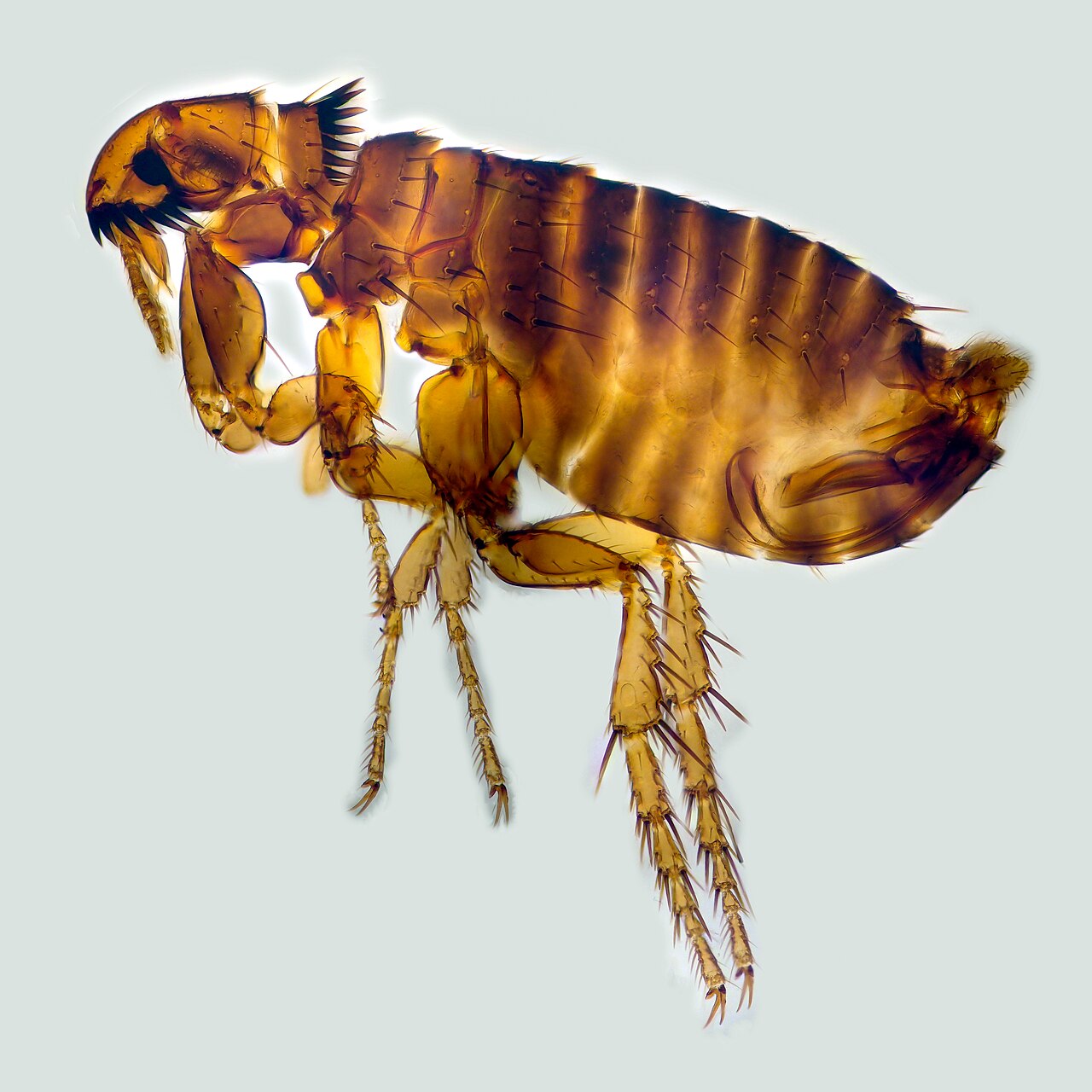
The reason fleas shrug off a can of spray comes down to their life cycle. A flea passes through four stages — egg, larva, pupa, and adult — and only the adult is the biting, jumping insect you notice. A single female can lay up to 50 eggs a day, and those eggs roll off into your carpet, your cushions, and the cracks in your floor. Within days they hatch into worm-like larvae that burrow down toward the base of the carpet, away from light.
Then comes the stage that ruins most DIY attempts: the pupa. Larvae spin a sticky, debris-coated cocoon and wait. That cocoon is essentially waterproof and, according to the University of California’s Integrated Pest Management program, largely impervious to insecticides. Pupae can stay dormant for weeks or even months, then emerge in a wave when they sense the body heat, movement, and carbon dioxide of a person or animal walking by. That is why a “spotless” apartment can suddenly erupt with fleas the week you move in — the previous tenant’s pupae were simply waiting for a warm body.
NYC apartments make it worse in specific ways. Radiator and forced-air heat keep units warm enough for fleas to breed straight through January, so there is no winter die-off to count on. Pre-war hardwood floors are full of seams and gaps that shelter eggs and larvae. And in a building full of shared walls, an infestation two units over is never really two units away. Beat the fleas you can see and you have handled 5% of the problem — the routine below is built to reach the other 95%.
How Do NYC Apartments Get Fleas Without Pets, and Does It Change Treatment?
This is the question we hear most from renters, usually in a slightly betrayed tone: no dog, no cat, so where did these come from? Fleas are hitchhikers, and they have plenty of rides into a NYC apartment that have nothing to do with owning a pet:
- Dormant pupae from a previous tenant. If the last resident had a pet, cocoons can survive empty in the carpet for months and hatch when you move in.
- Rodents. Mice and rats moving through walls, chases, and baseboards carry fleas directly into your living space — a very common NYC source.
- Other wildlife. Raccoons, opossums, squirrels, and feral cats nesting in basements, crawl spaces, and alleys seed fleas near the building. The University of Kentucky’s entomology extension points to exactly these animals when fleas turn up in a home with no pets.
- Neighbors and shared space. In a walk-up or a co-op, fleas travel through shared walls, hallways, and floorboards from a neighboring unit.
- You. They cling to pant legs, socks, and bags after a visit to a friend with pets or a walk through tall grass.
Does having no pet change how you treat the apartment? The in-home routine is the same — vacuum, launder, treat the environment. But it adds one critical job: find and cut off the source, or the fleas keep coming back no matter how well you clean. When there is no pet in the picture, that source is very often rodents in the walls. Sealing them out with dedicated mouse and rat control removes the highway the fleas are riding in on. (To be clear, we handle rodents and rodent-proofing, not wildlife trapping — if a raccoon or opossum is the culprit, that is a job for a licensed wildlife specialist first.)
How Do You Vacuum an NYC Apartment Daily to Remove Fleas and Trigger Pupae?
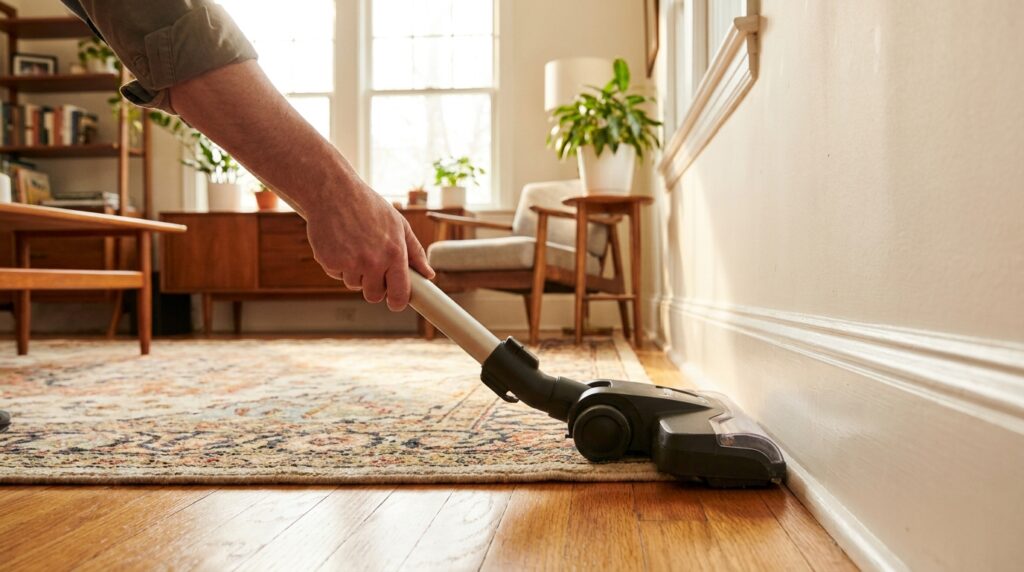
If you do only one thing on this list, do this. The U.S. Environmental Protection Agency calls daily vacuuming the single best method for getting an initial flea infestation under control, and it is doing three jobs at once:
- It physically removes eggs, larvae, and adult fleas from your carpet and floors.
- The vibration and warmth stimulate dormant pupae to hatch early, pulling them out of their spray-proof cocoons and into the open where treatment can reach them.
- It lifts the carpet nap so any product you apply penetrates down to the base of the fibers, where the larvae actually live.
Be thorough and be repetitive. Hit the places fleas concentrate: carpet edges and baseboards, under and behind furniture, beneath sofa and chair cushions, along the seams of pre-war hardwood, under the bed, and anywhere a pet (or a previous tenant’s pet) liked to rest. Use the crevice tool for edges and corners — that is where the eggs pile up. When you finish, empty the canister or bag straight into an outdoor trash can, because fleas will crawl back out of a bagless vacuum sitting in your closet.
Keep this up every day for the first two to three weeks, then several times a week for another month. Yes, it is a grind. It is also the difference between people who beat fleas and people who fight them all summer. If you want a simple way to track progress, set a shallow dish of water with a few drops of dish soap on the floor overnight; fleas are drawn to the warmth and drop in. It will not clear an infestation, but a trap that catches fewer fleas each week tells you the routine is working.
How Do You Wash and Heat-Dry Bedding to Kill NYC Apartment Fleas at Every Stage?
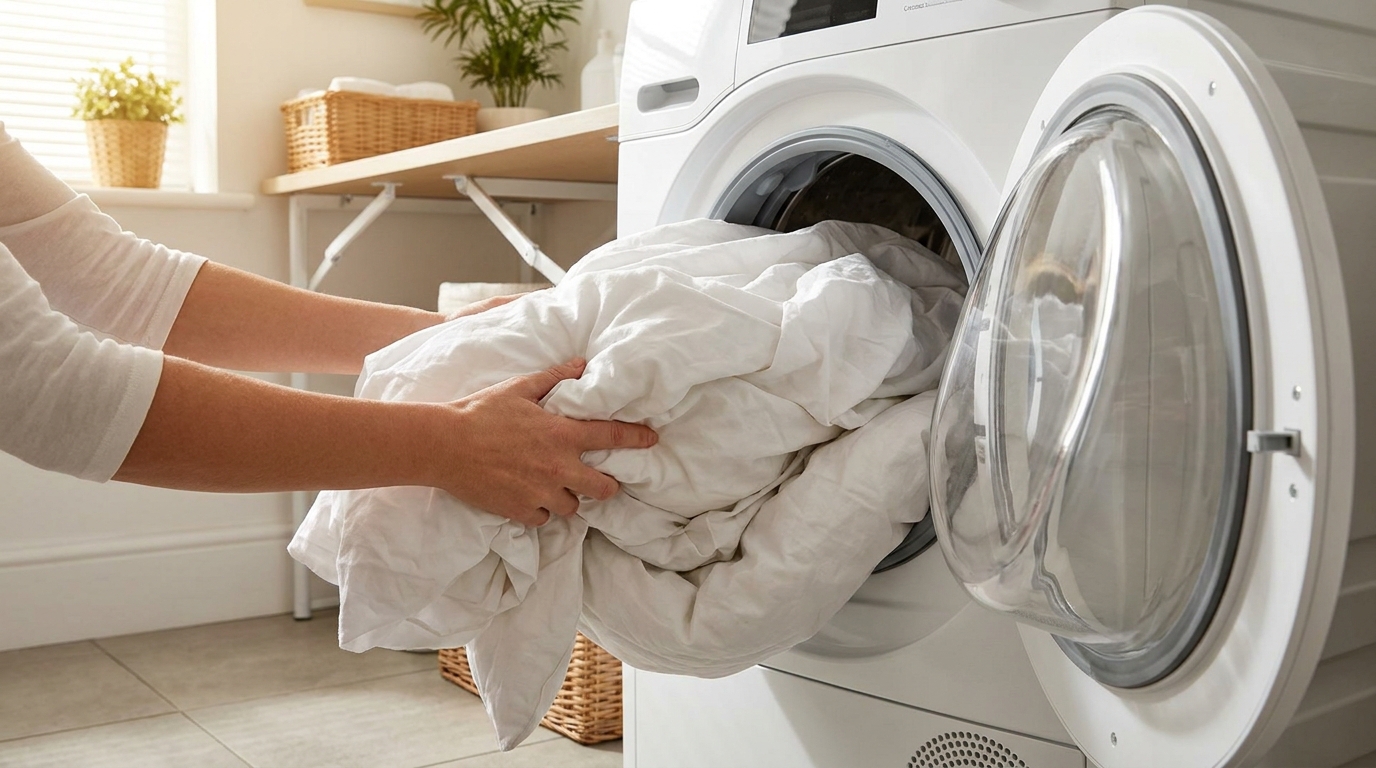
Heat is the one weapon that kills fleas in every life stage at once, and you already own it. Gather everything fabric that sits low or gets body contact — sheets, pillowcases, throw blankets, couch covers, the pet bed if you have one, and any clothing that has been piling on the floor — and run it all through a hot wash, then a high-heat dryer for at least 30 minutes. The dryer is the part that matters most; the sustained heat finishes off eggs and larvae that survive the wash.
For the things you cannot throw in the machine, you have options. Carpets and upholstery respond well to steam cleaning, since the hot steam and soap reach into the fibers and kill fleas at every stage. Items too delicate to wash or steam can be sealed in a bag and run through a hot dryer, or bagged and frozen for a couple of days. Do this laundry pass on the same day you do your first big vacuum, and repeat it as you go — every load you run is a batch of fleas that will never hatch.
Still finding fleas after weeks of vacuuming?
26+ years treating NYC flea infestations that DIY could not finish. We time our follow-up to the pupae that resist sprays, family and pet-friendly products, no annual contracts, and a free estimate.
How Do You Treat an NYC Apartment With an IGR and Adulticide to Break the Flea Cycle?
Vacuuming and laundering knock the population down hard, but to actually end the cycle you need the right product on the environment — and “the right product” means two active ingredients working together. Check the label for both:
- An adulticide — permethrin, imidacloprid, or dinotefuran — which kills the biting adult fleas.
- An insect growth regulator, or IGR — methoprene or pyriproxyfen — which stops eggs and larvae from ever developing into adults.
The IGR is the piece almost everyone skips, and it is the one that truly breaks the flea life cycle. An adulticide alone just clears the current generation; the IGR shuts down the next one. Apply it where the immature fleas actually live — carpets, carpet edges, baseboards, under furniture, and beneath the cushions where a pet rests — not the open, walked-on middle of the floor. Let it dry completely before anyone walks on it, then vacuum again.
Two cautions. First, skip the flea bomb. Total-release foggers are the product renters reach for first, and University of Kentucky entomologists specifically advise against them for fleas: the mist drifts upward and never reaches the carpet base, cracks, and under-furniture zones where the eggs and pupae hide, and the propellant can be a fire hazard near a pilot light. Second, choose family and pet-friendly formulations, keep children and animals off treated surfaces until fully dry, and never use a carpet or premise product on an animal (or an animal product on your carpet) — they are formulated for completely different jobs.
Why Should a Vet, Not Your NYC Exterminator, Treat Your Pet for Fleas?
If you do share your apartment with a dog or cat, treating the animal is non-negotiable — and it is a job for your veterinarian, not for us. This is one place where we will happily tell you we are not the right call. Here is why the vet has to lead on the pet:
- Modern flea medications are prescription-grade and matched to species, age, and weight. Some products that are fine for dogs are toxic to cats, and dosing is not something to eyeball.
- Fast-acting oral tablets can kill the adult fleas on your pet within about 30 minutes, and a monthly vet-recommended preventive keeps new fleas from establishing between doses.
- Fleas develop resistance to certain ingredients, and it varies by area. Your vet knows which products are still working in the field right now.
Between vet doses, a metal flea comb worked through your pet’s coat and dunked in soapy water removes adults and gives you a read on how the treatment is going. Think of it as a division of labor: your vet treats the animal, and the apartment routine above treats the environment. Do only one and the fleas simply bounce back and forth between pet and carpet. An untreated pet reinfests a spotless apartment within days, and a treated pet in an untreated apartment keeps getting bitten by the next wave hatching out of the floor.
Why Do NYC Apartment Fleas Keep Coming Back, and When Is Follow-Up Treatment Needed?
Here is the moment that breaks people’s spirit. You vacuum for a week, wash everything, treat the carpet, and the fleas vanish — then about ten days later they are back. It feels like total failure. It is not. It is the pupal reservoir hatching exactly on schedule.
Remember that the cocoon stage shrugs off insecticide. So when you treat, you kill the adults and larvae, but the pupae survive and keep emerging afterward. UC IPM notes fleas will continue to appear for roughly two weeks after a treatment, and University of Kentucky research puts the tail at up to four weeks in a heavier infestation. The correct response is not to panic and re-bomb the apartment. It is to keep vacuuming daily — which drags more of those pupae out of dormancy and into contact with the IGR and adulticide you already applied — and let the treatment finish the job.
This is also why a real infestation almost never ends in a single pass. A properly timed follow-up treatment, placed to catch that second wave once the cocoons have hatched, is what actually closes it out — and it is exactly what a one-and-done store-bought approach misses. Plan for the whole process to run two to three months from start to genuinely flea-free, and resist the urge to re-treat every few days. Patience plus the daily vacuum beats another can of spray every time.
When Should You Stop DIY and Call an NYC Pro to Get Rid of Fleas?
DIY handles a lot of NYC flea problems. But there is a clear line where a store-bought spray stops being the cheaper option, and pushing past it just costs you weeks of bites. Call in a professional when:
- You have run the full routine for three to four weeks and fleas are still biting.
- The infestation was heavy from day one — you are seeing fleas on every socked step across the room.
- You live in a multi-unit or shared-wall building and neighbors are affected too, which needs coordinated treatment to stop the ping-pong between units.
- There is no pet and you cannot find or cut off the source — usually rodents nesting in the walls, basement, or crawl space.
- You are pregnant, immunocompromised, caring for infants, or simply cannot keep up the daily grind an infestation demands.
What a pro brings is professional-grade IGR-plus-adulticide placed precisely where the larvae develop, a diagnosis of the actual source (the rodent tie-in matters more than most renters realize), and that all-important timed follow-up. At Advanced Pest Management we offer same-day service during business hours across all five boroughs and Long Island, we work month-to-month with no annual contract to lock you in, and we use family and pet-friendly products throughout. If your real question is what that costs, our breakdown of what professional pest control costs in NYC lays out the numbers, and if you are still not certain the culprit is fleas, start by confirming it against the signs above.
The Bottom Line on Getting Rid of Fleas in Your NYC Apartment
You did not invite these pests in, and you do not need a pet to end up with them — dormant pupae, rodents, wildlife, and neighbors all deliver fleas to NYC apartments every year. The upside is that the fix is entirely within reach if you attack the whole life cycle instead of the adults you can see. Here is the routine in order:
- Vacuum every day — carpet edges, baseboards, under furniture, and floor cracks — then empty it into an outdoor bin.
- Wash and high-heat dry all bedding and low-lying fabrics; steam what you cannot launder.
- Treat the environment with a product that pairs an adulticide and an IGR, and skip the fogger.
- Send the pet to the vet for fast-acting and preventive treatment — that part is not our job, it is theirs.
- Expect a second wave for two to four weeks, keep vacuuming, and let a timed follow-up close it out.
Give it two to three months of consistency and you will get your apartment back. And if the fleas are winning, or the whole building is in it with you, that is exactly the point to hand it off — we have been ending NYC flea infestations at the source for more than 26 years, and we are ready when you are.