Living in New York City means sharing your space with millions of neighbors, but bed bugs shouldn’t be among them. Whether you’re waking up with suspicious welts in a Brooklyn walk-up or inspecting a high-end Manhattan hotel, identifying the early signs of bed bugs is the only way to stop a full-blown infestation. This guide combines technical expertise with NYC “street smarts” to help you navigate the physical, legal, and psychological challenges of these persistent pests.
Bed bugs in your NYC apartment?
26+ years treating NYC bed bugs. Crossfire residual where it counts, no annual contracts, and a free inspection that's waived when you book.
How Do You Identify Bed Bugs and Their Physical Evidence?
Identification and Physical Appearance
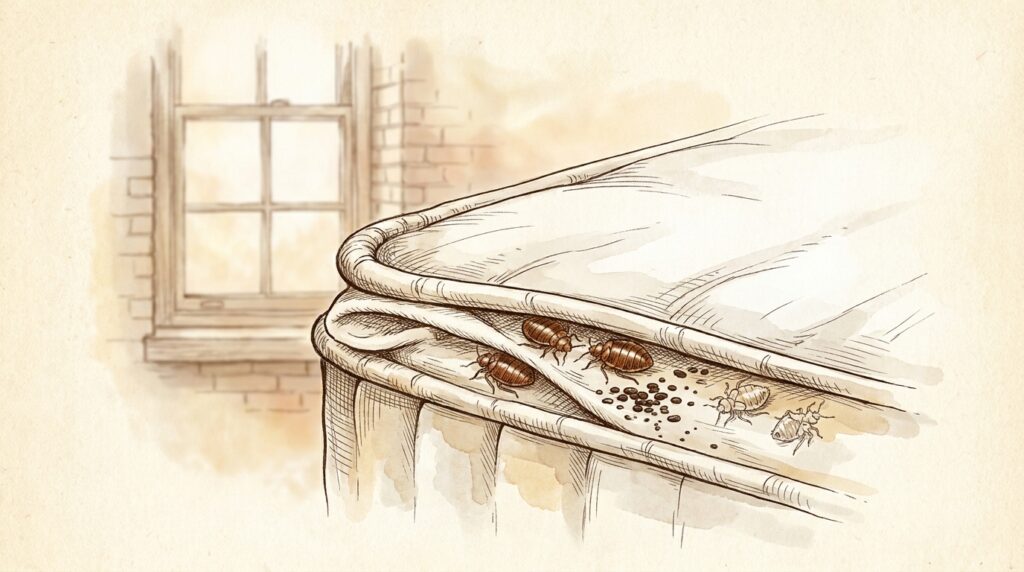
Adult bed bugs are roughly the size and shape of an apple seed, possessing a flat, oval-shaped body that turns reddish-brown after a blood meal. Nymphs, or adolescent bugs, are much harder to spot because they are translucent or pale yellow, making them nearly invisible against white sheets. According to the bed bugs appearance and life cycle described by the EPA, these pests go through five nymphal stages, each requiring a blood meal to progress.
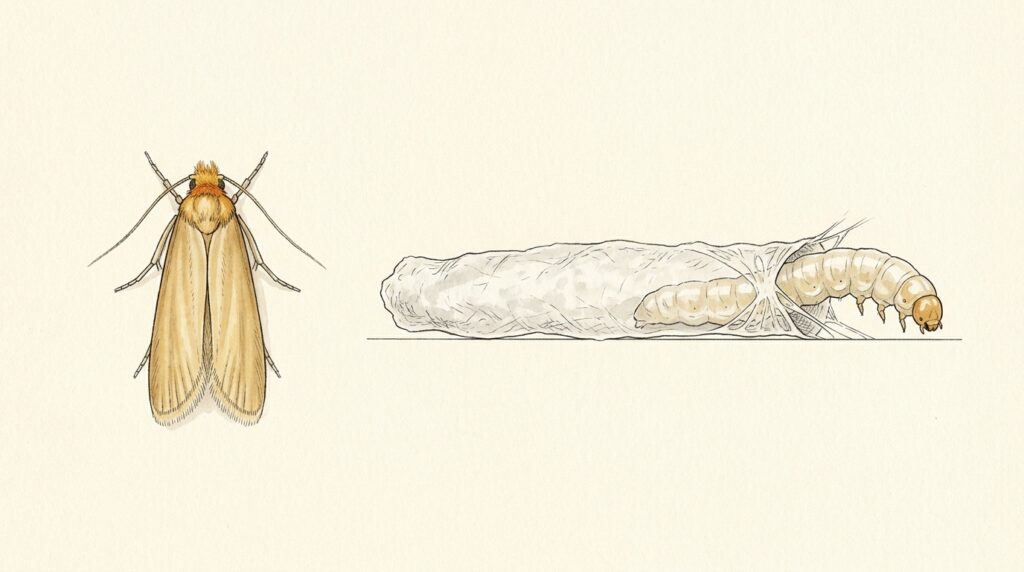
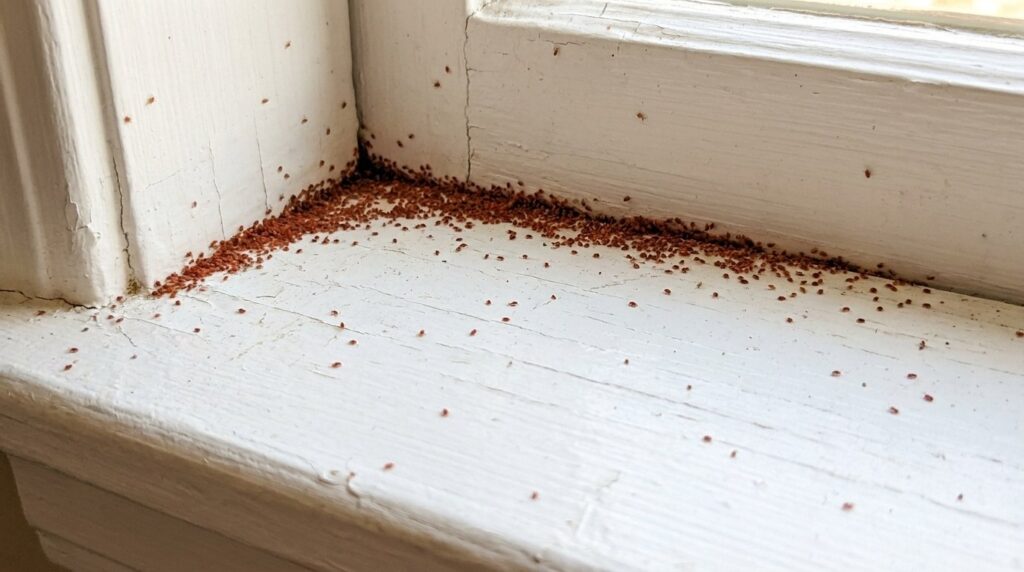
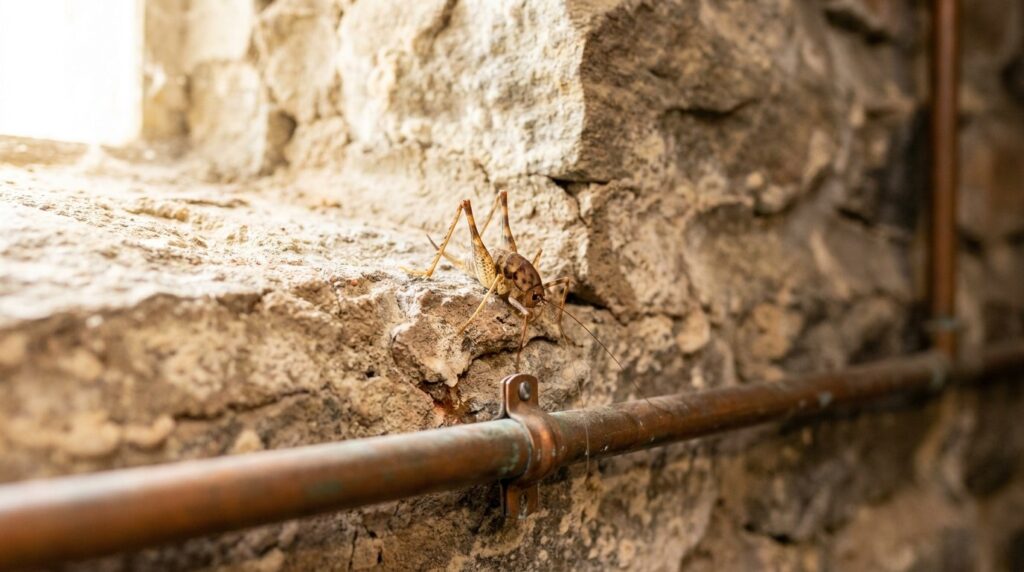
In the densest parts of the city, many tenants suffer from “misidentification stress,” mistaking common NYC lookalikes for bed bugs. Scientists note that the bed bug is a parasitic insect that prefers to hide in cracks and crevices during daylight hours. Spider beetles, which are common in older Manhattan buildings, are often mistaken for bed bugs due to their round, reddish bodies, while carpet beetles are frequently confused with bed bug larvae. A true bed bug infestation will leave behind molted skins, known as exuviae, which look like hollow, popcorn-kernel-shaped shells of the bugs themselves.
Common Signs and Evidence in the Bedding
One of the most reliable indicators of an infestation is the presence of “rust-colored” spots on your sheets or pillowcases. These stains occur when a bug is accidentally crushed by a sleeper or when they leak small amounts of blood immediately after feeding. You should also look for dark fecal spotting, which looks like tiny black ink dots from a felt-tip pen that “bleed” into the fabric when touched with a damp cloth.
In cramped NYC apartments with poor ventilation, a heavy infestation may produce a distinct, sickly-sweet odor similar to overripe raspberries or coriander. To manage an infestation effectively, homeowners should learn how to stop bed bugs safely by using integrated pest management strategies. Beyond the physical evidence, many New Yorkers suffer from the “Phantom Tickle,” a psychological phenomenon where every itch or stray hair feels like a crawling insect. Acknowledging this shared trauma is part of the recovery process, as the mental toll of an infestation can be just as exhausting as the physical one.
Differentiating Bites vs Skin Conditions
Bed bug bites often appear in a “breakfast, lunch, and dinner” pattern, manifesting as three or four red welts in a linear row or tight cluster. Unlike mosquito bites, which occur randomly, bed bugs tend to feed along the line where your skin meets the mattress or the edge of your clothing. However, it is important to note that bed bug bite reactions vary significantly between individuals, with some people showing no marks at all.
There is often a “Roommate Mystery” in New York apartments where one person is covered in itchy welts while their partner or roommate remains completely unscathed. Residents can review bed bug info provided by local institutions to better understand how these pests spread through shared living environments. This doesn’t mean the bugs aren’t biting both people; it simply means one person’s immune system is reacting to the anticoagulant in the bug’s saliva while the other’s is not. Furthermore, bites can take up to 14 days to appear, meaning you might have been bitten at a hotel last week but are only seeing the marks today.
Where Are the Hidden Hiding Spots in NYC Apartments and Hotels?
The Flashlight Inspection Technique
To find these elusive hitchhikers, you must think like a predator and use a high-intensity flashlight in a completely dark room. By shining the light parallel to surfaces, you can cast long shadows that reveal the bugs or their eggs tucked into tiny crevices. This is particularly effective for checking “crevice-heavy” furniture common in small NYC studios, such as the hinges of folding chairs, the underside of futons, or the seams of bean bag chairs.
Don’t stop at the bed; use your light to inspect the gaps where baseboards meet the floor and the thin cracks where crown molding meets the ceiling. It is helpful to understand bed bugs and how to control them when performing these deep-cleaning inspections. Bed bugs are thin enough to fit into any space where you could slide a credit card, making the junctions of walls and floors prime real estate. If you suspect an issue, bedbugs resources can provide guidance on legal and practical steps for tenants beyond a DIY visual check.
Beyond the Mattress: Hotel and Rental Hotspots
In NYC hotels, bed bugs often avoid mattress seams because housekeepers change the linens so frequently, which disturbs their hiding spots. Instead, they migrate to wall-mounted headboards, which are rarely moved or cleaned behind, or into the pleats of heavy blackout curtains. When checking into a room, always pull the headboard slightly away from the wall if possible to check the rear surface for fecal spotting.
Non-obvious hiding spots include electrical outlets, picture frames, and the undersides of bedside lamps. Families with children should also be aware of bed bugs in schools and how to prevent them from traveling back home in backpacks. In a city where “stooping” is a local pastime, it is vital to remember that picking up discarded furniture on the sidewalk is a high-risk activity. Even a beautiful vintage dresser can harbor eggs in the drawer slides, leading to an expensive and stressful infestation in your home.
Professional Inspection Services
If you cannot find the source of the bites but the evidence persists, it may be time to call in the experts. Reliable bed bug control technicians often use K9 scent detection dogs that are trained to sniff out live bugs and viable eggs with incredible accuracy. These dogs are particularly useful in large apartment complexes where the source of the bugs might be a neighboring unit rather than your own bedroom.
Depending on where you live, you should seek out specialists who understand the specific architecture of your borough. If you are dealing with an outbreak in a residential building, following established bed bug guidelines can help prevent the insects from spreading to other units. Those living in the city center may need bed bug control in Manhattan to navigate high-rise regulations, while those in the outer boroughs might look for bed bug control in Brooklyn for brownstone-specific treatments.
What Are Your NYC Tenant Rights and Landlord Obligations?
The NYC Bed Bug Disclosure Act
New York City law requires landlords to provide a one-year bed bug history for the building before a new tenant signs a lease. This document, known as Form DBB-N, must disclose whether there were any infestations in the building or the specific unit in the past 12 months. This transparency is designed to protect renters from moving into a “hot” building without knowing the risks involved.
Be wary of the “Day of Lease” disclosure trap, where a landlord or broker pressures you to sign a stack of documents at the 11th hour without giving you time to read them. You should use a “Tenant Script” and firmly say: “I need to review the bed bug disclosure form before I sign the lease.” Do not let the fast-paced NYC real estate market bully you into skipping this vital step.
Vetting a Building Before You Move In
Before you even view an apartment, you can use the NYC Housing Preservation & Development (HPD) website to check for past pest violations. By entering the building’s address, you can see if other tenants have filed official complaints about bed bugs or other sanitary issues. This public data is your best weapon against landlords who try to hide a building’s history of neglect.
In addition to official records, check the NYC Bedbug Registry and local Reddit communities like r/NYCRentals to find “off-the-books” history for specific addresses. Under the New York State “Warranty of Habitability,” your landlord is legally obligated to keep your apartment fit for human habitation, which includes keeping it free of bed bug infestations. This right cannot be waived, regardless of what your lease might say.
Reporting an Infestation to 311
If you discover bed bugs and your landlord refuses to act, your first step should be to call 311 to file an official complaint. This will trigger an inspection by the city, and if bugs are found, the landlord will be issued a violation and a strict timeline to remedy the situation. For those seeking pest control in Manhattan, having an official city record of the infestation is crucial if legal action or rent withholding becomes necessary.
Landlords generally have 30 days to correct a bed bug violation once it is issued, though most reputable owners will act much faster to prevent the bugs from spreading. You can find more details in the official city guide bedbugs: information for tenants and building owners to understand the exact steps the city requires of your landlord.
How Can You Prevent Bringing Bed Bugs Into Your Home?
Travel and Commuting Safety Tips
For the daily NYC commuter, prevention starts on the subway; try to avoid sitting on upholstered seats, which can harbor hitchhikers from previous riders. If the train is crowded, avoid leaning your back directly against fabric partitions or carpeted walls in older stations. While the risk is low, bed bugs are opportunistic travelers and will latch onto a coat or bag if given the chance.
When traveling, always follow the “Luggage in the Tub” rule: place your suitcases in the hotel bathtub or on a luggage rack away from the walls while you perform your initial room inspection. Upon returning home, do not bring your suitcase into the bedroom. Immediately take all clothing—even the “clean” items—and put them in the dryer on high heat for at least 30 minutes to kill any potential eggs or bugs.
Protecting Your Apartment from Neighbors
In many NYC buildings, bed bugs move between units through the shared wall voids and utility pipes. To prevent this, focus on sealing cracks and crevices in bed bug control in Queens apartments or older tenements in the Bronx. If the problem is coming from a neighboring unit, our bed bug exterminator in the Bronx can help you seal off entry points and treat the source. Use high-quality caulk to seal gaps around baseboards and install door sweeps on your front door to block bugs from crawling in from the hallway.
High-quality mattress encasements are another essential preventative tool; they won’t stop bugs from entering your home, but they will prevent them from nesting in your mattress. An encasement makes the bed much easier to inspect and ensures that if you do bring a bug home, it stays on the surface where it can be easily spotted.
Reducing the Shame and Stigma
There is a persistent myth that bed bugs only infest “dirty” homes, but this couldn’t be further from the truth. Bed bugs do not care about cleanliness; they only care about access to a blood meal. Whether you live in a luxury penthouse or a basement studio, you are equally at risk. If you are struggling with the “Mental Anguish” of an infestation, remember that you are not alone in this city.
Community support is vital, and many New Yorkers find solace in sharing their stories and tips online. For those in specific areas, reading a local guide to NYC’s toughest pests can provide borough-specific context that makes the problem feel more manageable.
What Are the Immediate Steps to Take if You Find a Bug?
Documenting and Preserving Evidence
If you find a bug, do not panic and do not throw your mattress out the window. Instead, capture a specimen using a piece of clear tape or by dropping it into a sealed glass jar. Having a physical specimen is the only way to get a 100% confirmed identification from a professional. Take time-stamped photos of any bites, fecal spotting, or live bugs to build a solid case for your landlord or an HPD inspector.
Whatever you do, never “self-treat” with over-the-counter bug bombs or “foggers.” These devices are largely ineffective against bed bugs and often serve only to scatter the colony deeper into the walls or into your neighbor’s apartment. If you reside in the Upper East Side or Harlem, securing professional bed bug control in New York County is the most effective way to eliminate a localized infestation. This makes the eventual professional treatment much more difficult and expensive.
Contacting Local NYC Specialists
Once you have evidence, contact your landlord immediately in writing. If you are a homeowner or need to suggest a specific vendor, look for localized experts like those providing Staten Island bed bug treatment or service in Richmond County. Professionals will offer several options, including chemical sprays, high-heat treatments, or Cryonite (CO2 freezing).
Preparing for treatment is a grueling process that involves laundering every piece of fabric you own and sealing it in airtight bags. While this “bagging and laundering” phase is exhausting, it is the most critical part of ensuring the treatment’s success. Follow your pest control professional’s prep sheet to the letter to ensure the bugs are eradicated in the first round.
Bed bugs in your NYC apartment?
26+ years treating NYC bed bugs. Crossfire residual where it counts, no annual contracts, and a free inspection that's waived when you book.
How Do You Stay Bed Bug Free in NYC?
Staying bed bug-free in New York City requires a mix of vigilance, education, and knowing when to call for help. Remember the primary signs: rust-colored spotting on sheets, linear bite patterns, and the “apple seed” appearance of the bugs themselves. Utilize city resources like the HPD website to vet your buildings and never be afraid to assert your legal rights as a tenant. While bed bugs are a significant nuisance that can cause real psychological distress, they are entirely treatable. By acting quickly and hiring the right professionals, you can reclaim your home and your peace of mind.