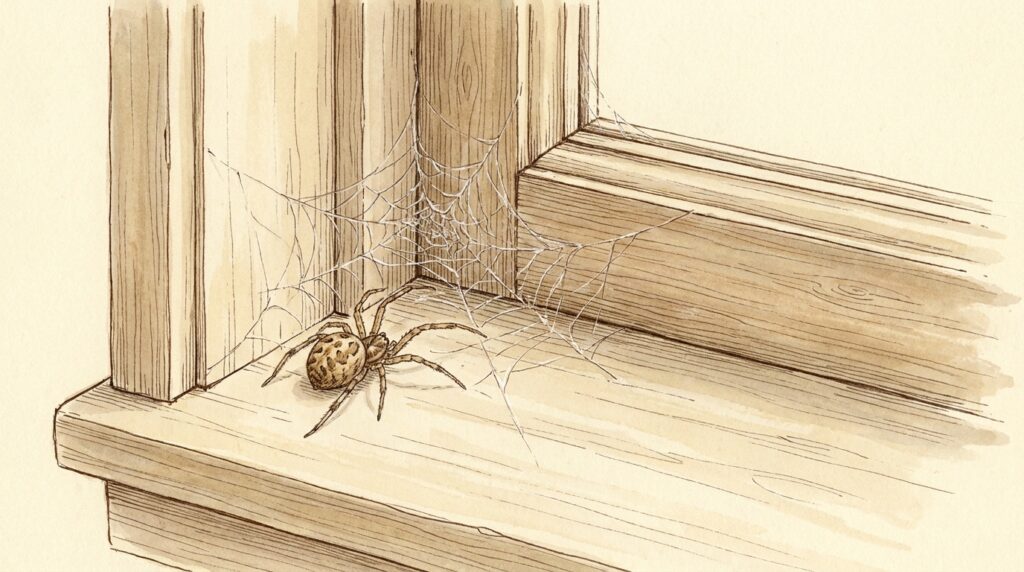
Found a spider crawling across your bathroom ceiling, or a thick web tangled in the corner of your basement stairs? You’re not alone — spiders are one of the most common calls we get from homeowners across NYC and Long Island, especially as the weather warms and insects move indoors looking for shelter. The good news: most spiders you’ll find in your home are harmless, and getting rid of them, and keeping them from coming back, usually comes down to a handful of habits — decluttering, sealing gaps, managing the other bugs spiders eat, and knocking down webs and egg sacs before they hatch.
In this guide, we’ll walk through the removal and prevention steps that actually work, then get honest about which spiders in our area are worth worrying about (spoiler: almost none of them) and which two are medically significant enough to take seriously. If DIY isn’t cutting it, our team offers professional spider control in NYC that treats entry points and reduces the insect activity that draws spiders in, not just the webs you can see.
Spiders taking over your NYC home?
26+ years clearing spiders from NYC and Long Island homes, with web removal and targeted perimeter treatment and no annual contracts, plus a free estimate when you book.
How Do You Get Rid of Spiders Already Inside Your NYC Home?
If spiders are already indoors, start with physical removal — it’s the fastest way to see results. A vacuum with a hose attachment or a stiff broom will pull down webs, egg sacs, and the spiders themselves. This matters more than most people realize: a single egg sac can hold a hundred or more spiderlings, so knocking one down and disposing of it, instead of just sweeping it into a corner, stops a whole new generation before it ever hatches. University of Kentucky Entomology lists routine, thorough cleaning as the single best way to eliminate spiders and discourage them from returning.
Work room by room, paying attention to the spots spiders actually prefer:
- Ceiling corners, closet shelves, and behind furniture that rarely gets moved
- Window frames and door frames, where webs collect fastest
- Basement joists, garage rafters, and crawl space entries
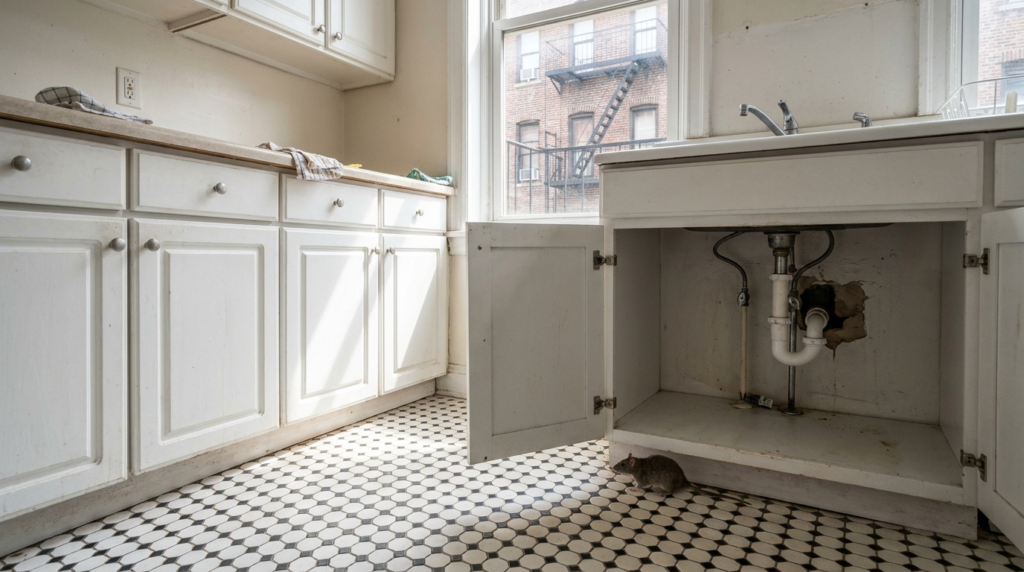
- Under sinks and behind stored boxes
Reducing clutter in these areas does double duty — it removes the quiet, undisturbed spots spiders like to settle into, and it makes it obvious the next time a new web shows up.
If you’d rather relocate a live spider than kill it, the cup-and-paper method works fine for the harmless species you’ll run into most often: place a cup over the spider, slide a piece of stiff paper underneath, and release it outside on some vegetation away from the house. It’s not necessary from a safety standpoint for the common species covered below, but plenty of homeowners prefer it, and it’s just as effective at getting the spider out of your living space.
How Do You Seal Entry Points to Stop Spiders From Getting Into an NYC Apartment?
Removal only gets you so far if spiders can keep walking back in. Spiders can flatten their bodies to fit through gaps that look far too small to matter, so exclusion work is where prevention actually happens. Focus on:
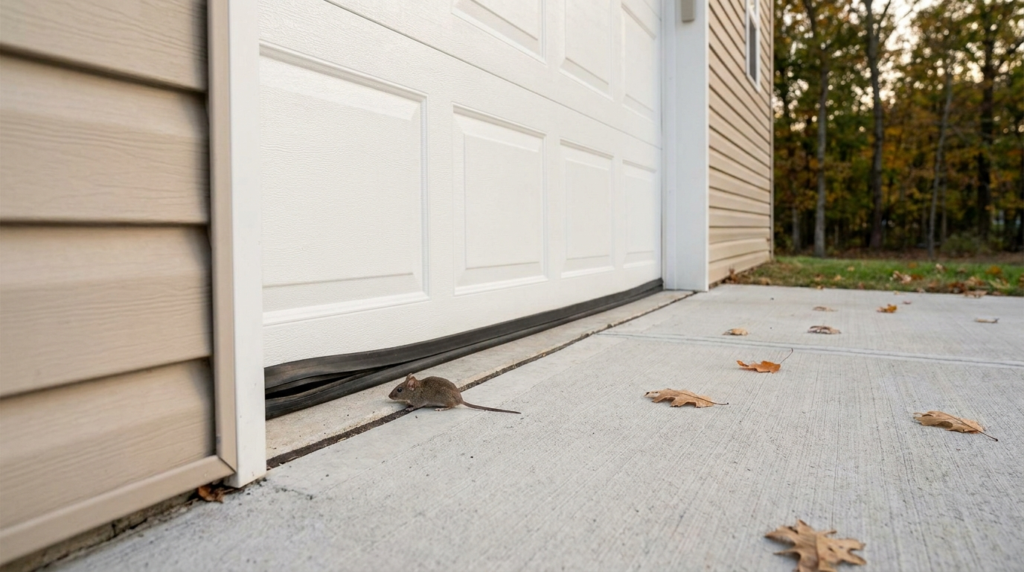
- Gaps under exterior doors — install or replace door sweeps
- Window screens with tears or gaps around the frame
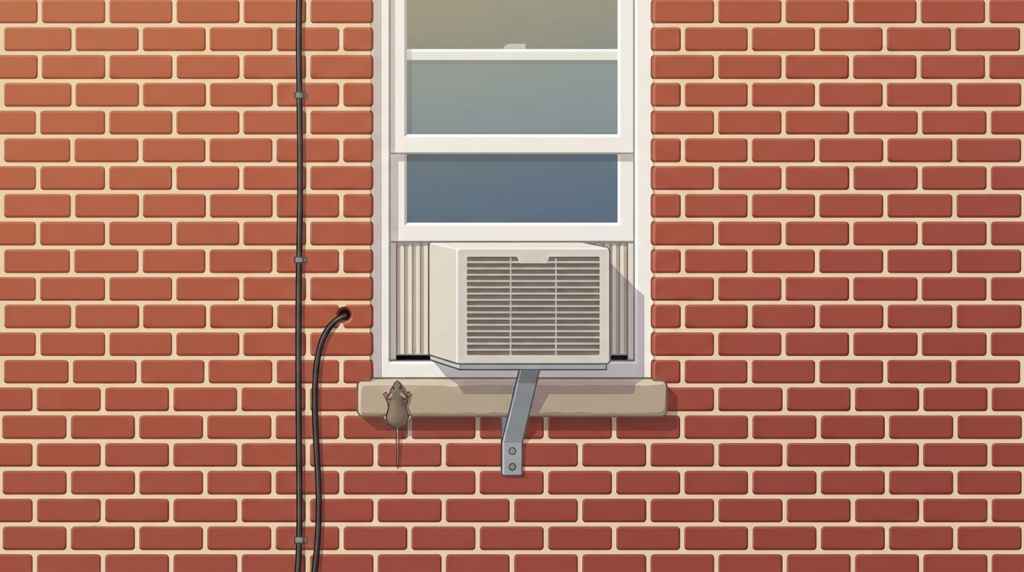
- Cracks in foundation walls, siding, and around utility pipes
- Gaps around basement windows and window wells
Cornell’s IPM program notes that closing these gaps with a flexible, durable sealant does more than keep spiders out — it reduces other pests at the same time, because those same gaps are the entry points ants, roaches, and other insects use.
For rowhouses, brownstones, and prewar buildings across the boroughs, we typically find the worst gaps around basement window wells, areaway doors, and where old mortar has cracked away from window frames — worth a flashlight check before you assume your home is sealed.
Quick prevention checklist:
- Vacuum or sweep webs and egg sacs on a regular schedule
- Declutter closets, basements, and garages where spiders like to hide
- Seal cracks, gaps, and door thresholds with a flexible sealant
- Install or repair door sweeps and window screens
- Switch exterior bulbs to yellow or warm LED lighting
- Manage other pests, like ants, flies, and moths, that spiders feed on
- Store firewood, boxes, and stacked items away from the house and off the floor
Why Does Reducing Other NYC Pests Help You Control Spiders?
Spiders don’t show up in your home because they like your décor — they show up because there’s something to eat. Every spider in your house is there because flies, gnats, moths, ants, or other small insects gave it a reason to stay. That means the most effective long-term spider control isn’t really about spiders at all — it’s about cutting off their food supply.
A few habits make a real difference here:
- Fix leaks and reduce standing moisture, which draws the flies and gnats spiders hunt
- Keep kitchen counters and trash areas clean to cut down on fruit flies and ants
- Address any existing pest activity, like ants, roaches, or moths, instead of leaving it — spiders will follow the food
Exterior lighting matters too. Porch lights, garage lights, and any bulb left on near a door pull in flying insects overnight, and web-building spiders often build right next to that light source because it’s an easy buffet. Swapping bright white bulbs for yellow or warm LED lighting near entry points, or simply pointing exterior lights away from the house, makes your doors and windows a lot less interesting to both the insects and the spiders that eat them.
How Do You Get Rid of Spiders in an NYC Basement or Garage?
Basements and garages are where we see the heaviest spider activity in both NYC and Long Island homes, and for good reason — they’re dark, undisturbed, and full of stacked boxes, tools, and firewood that spiders treat as prime real estate. A few basement- and garage-specific steps:
- Move firewood, lumber, and stacked storage away from the walls and off the floor
- Store seasonal items in sealed plastic bins instead of open cardboard boxes
- Sweep webs from joists, rafters, and corners on a regular schedule, not just once
- Place sticky glue boards flush against baseboards and in corners to monitor activity and catch wandering spiders
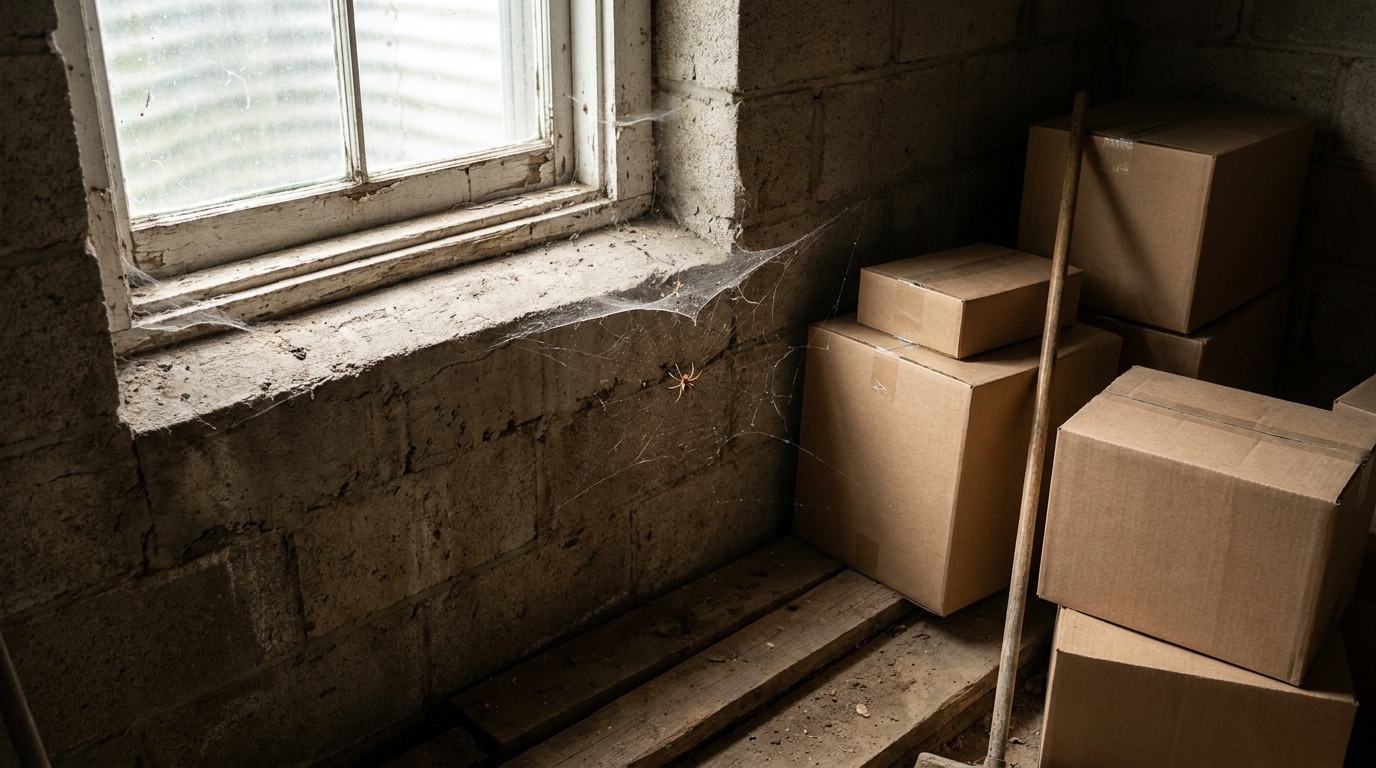
If you’re finding a new web every few days no matter how often you clear them, that’s usually a sign of an active breeding population rather than the occasional wanderer, and it’s worth having someone take a closer look before it spreads to living spaces upstairs.
Do Most Spiders in NYC and Long Island Actually Need to Be Removed?
Here’s what we tell almost every customer who calls us about a spider: the one you’re looking at is almost certainly harmless. Most of the spiders we’re called out for across the five boroughs and Nassau and Suffolk fall into a handful of common, non-dangerous species:
- House spiders — the small tan or brown spiders responsible for the messy cobwebs in corners and window frames
- Cellar spiders (daddy long-legs) — long, delicate legs, loose webs in basements and closets; harmless, with a bite far too weak to matter to humans
- Orb weavers — larger, often striking spiders that build the classic wheel-shaped webs outdoors in gardens and against siding
- Wolf spiders — fast-moving ground hunters, often mistaken for something more dangerous because of their size
- Sac spiders — small, pale, active at night, occasionally capable of a minor bite comparable to a bee sting if trapped against skin
Every one of these species is doing you a favor by eating the flies, moths, and other insects already in your home. Removing them isn’t a safety issue, it’s a preference issue. If the web in the corner bothers you, sweep it down. If you’d rather not share the basement with a colony of cellar spiders, that’s a completely reasonable call, and the removal and prevention steps above will handle it.
We also hear from a lot of Long Island homeowners in late summer and early fall who suddenly notice bigger, faster spiders indoors — usually wolf spiders or grass spiders that wander in as temperatures drop and males search for mates. It’s a seasonal spike, not an infestation, and the same sealing and decluttering work described above is usually all it takes to bring things back to normal.
Not sure if that spider is a problem?
We identify what you are actually dealing with first, then treat entry points and reduce the prey insects spiders feed on, with a free estimate when you book.
Which Dangerous Spiders Should You Control in New York?
We’d rather give you the honest answer than a scary one. Of the spider species you’re likely to run into around NYC and Long Island, only one is confirmed to live here and carries a bite worth taking seriously: the black widow.
Black Widow Spiders
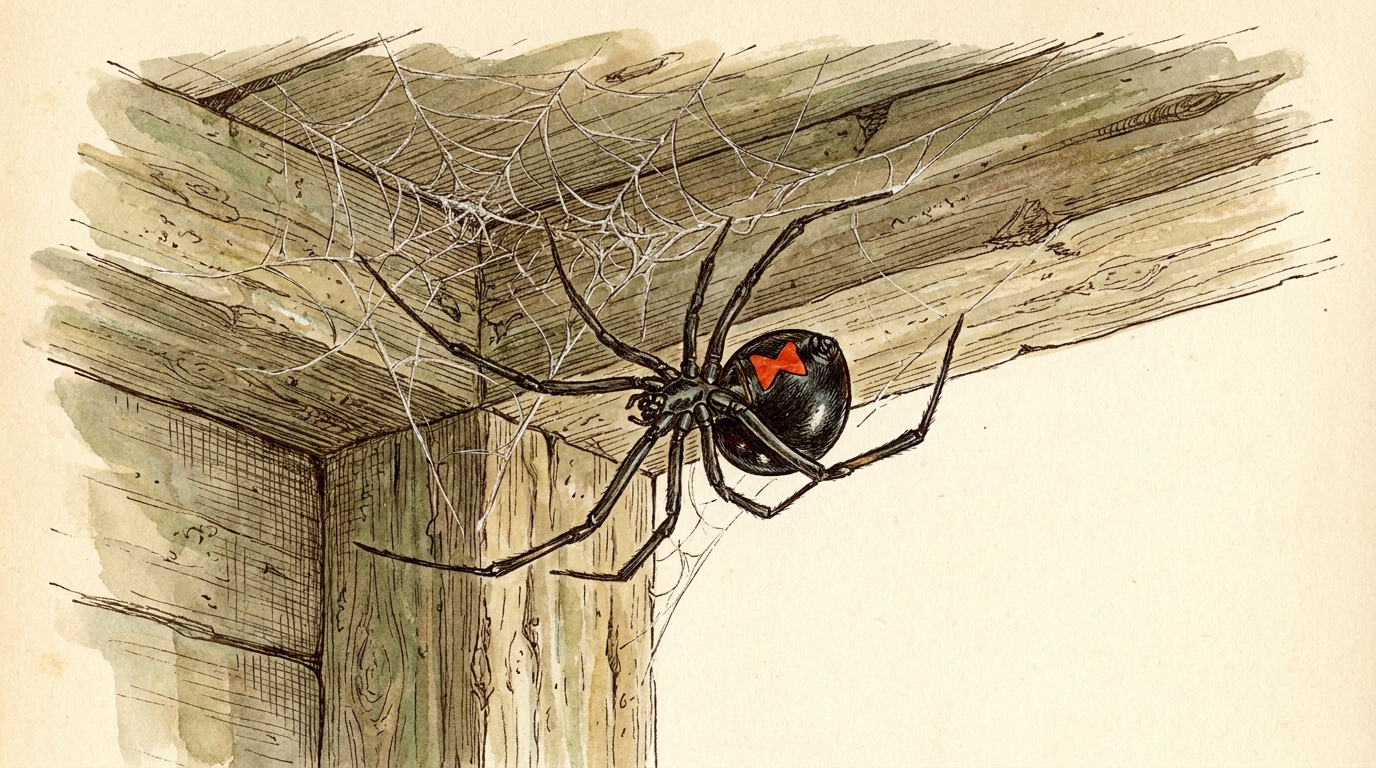
Northern black widows do live in New York, but they’re uncommon and shy. You can recognize one by its glossy black body and the red hourglass marking on the underside of its round abdomen. You’re far more likely to find one in a woodpile, garage corner, shed, or undisturbed basement crevice than out in the open. According to the CDC’s National Institute for Occupational Safety and Health, black widow bites deliver a neurotoxic venom that causes pain at the bite site that can spread to the chest or abdomen, and while fatalities are extremely rare with modern treatment, a bite is not something to wait out. Seek medical care or call Poison Control if you’re bitten and suspect a black widow.
Brown Recluse Spiders
This one gets overstated online constantly, so we’ll say it plainly: brown recluse spiders are not established in New York. Cornell’s Integrated Pest Management program confirms the brown recluse does not occur in New York State — its native range is the south-central and midwestern U.S. Occasionally a specimen is accidentally transported in with moved boxes or furniture from another region, but that’s rare, and it does not mean an established population exists here. If you think you’ve found a brown recluse in your NYC or Long Island home, it’s far more likely to be a harmless look-alike, such as a yellow sac spider or a grass spider.
| Spider | Harmless or Medically Significant | Where You’ll Find It |
|---|---|---|
| House spider | Harmless | Corners, window frames, basements |
| Cellar spider (daddy long-legs) | Harmless | Basements, closets, ceiling corners |
| Orb weaver | Harmless | Gardens, siding, porch lights |
| Wolf spider | Harmless | Basements, garages, ground level outdoors |
| Sac spider | Harmless (minor bite possible if trapped against skin) | Upper wall corners, ceiling edges |
| Black widow | Medically significant, uncommon | Woodpiles, garages, sheds, undisturbed basement spots |
| Brown recluse | Medically significant, not established in NY, extremely rare | Occasionally transported in from other regions |
If you find a spider you believe is a black widow, don’t try to handle or squash it. Cover it with a jar, leave the area, and either dispose of it from a distance or have a professional confirm the identification and treat the area it came from.
When Should You Call an NYC Pro to Control a Spider Infestation?
Most spider sightings don’t need a professional — a broom, a sealant gun, and a little consistency handle the vast majority of cases. It’s time to call in help when:
- You’re finding new webs faster than you can clear them, especially in a basement or garage
- You suspect a black widow, or you’re finding spiders in a spot you can’t safely inspect yourself
- Spider activity is showing up alongside another pest problem — spiders following prey insects usually means something else needs attention too
- DIY sealing and cleaning hasn’t slowed things down after a few weeks
When we treat a spider problem, we’re not just going after the webs you can see. Our team inspects for entry points and harborage areas, applies a family and pet-friendly perimeter treatment with products like Suspend and Tempo Dust, and, just as important, looks at what’s drawing the insects spiders are feeding on in the first place. We also offer home pest control across Long Island and NYC with no annual contracts, so you’re never locked into service you don’t need.
A typical initial visit for a one-family home starts around $275 plus tax; apartment treatments start around $250 plus tax. If you’re not sure whether what you’re seeing needs treatment, an inspection runs $150 to $200 and is waived if you move forward with service, which is worth it for peace of mind alone, especially if black widows are a concern.
During that inspection, we’re checking the same spots this guide covers — basement joists, garage corners, window wells, door thresholds — but with an eye for the harborage areas and entry points that are easy to miss from a homeowner’s level. We’ll tell you plainly if what you’re dealing with is a harmless house spider situation you can manage yourself, or something that genuinely calls for treatment. Same-day service during business hours is available across NYC and Long Island; if you’re dealing with something urgent after hours, we also offer 24-hour emergency service.
Curious what else might be sharing your home? Take a look at the common spiders you’ll see in New York or, if you’re further out on the Island, the spiders common on Long Island for a closer identification guide.
The Bottom Line on Getting Rid of Spiders in Your NYC or Long Island Home
Getting rid of spiders in your NYC or Long Island home almost always comes down to the same four things: clean up the clutter, seal the gaps, cut off the insects they’re eating, and knock down webs and egg sacs before they hatch. Do those consistently and you’ll handle the overwhelming majority of what shows up. The two spiders worth actually worrying about — black widows and brown recluses — are either uncommon and easy to avoid disturbing, or not established here at all. Everything else you find is more roommate than threat.
If spider activity keeps coming back no matter what you try, or you’d rather not deal with a suspected black widow yourself, our team is a call away. Explore our full-service pest control options, or reach out for a free estimate and we’ll take it from there.