
If your NYC building has 3 or more residential units, HPD’s filing form says you file a Bed Bug Annual Report every December. HPD is New York City’s Department of Housing Preservation and Development. Its annual report FAQ says even a building with no bed bugs all year has to file.
The report is the owner’s own count for the whole building. It gives the number of units, how many had bed bugs, how many got bed bug treatment and how many had bed bugs again afterward. If you’re reading this in December, the filing window is open now.
Bed bugs in your NYC building?
Every technician is licensed by New York State. Call us and a real person answers.
Which NYC Buildings Have to File the Bed Bug Annual Report?
A one-family or two-family house sits below HPD’s line of “3 or more residential units.” Above that line, HPD’s FAQ says co-ops and condos file, and so do hotels. For example, a small walk-up and a large co-op tower file the same report.
New York City’s Housing Maintenance Code puts the duty on the owner of a “multiple dwelling.” Only validly registered owners and managing agents can use HPD’s online filing.
The Housing Maintenance Code’s pest article, which holds the filing rule, says it does not apply to apartments NYCHA owns and operates. The rule is New York City’s, so it covers buildings in all five boroughs.
What Goes Into a Building’s Bed Bug Annual Report in NYC?
HPD’s form starts with the building’s address, its registration details and whether you’re filing as the owner or the managing agent. Then come the counts for the reporting period, under HPD’s own labels:
- Total dwelling unit count: all the units in the building, whether someone lives in them or not. HPD’s FAQ says this number “cannot be zero.”
- Infested dwelling unit count: units that had bed bugs, “as reported by a tenant or otherwise known to the property owner.”
- Eradicated dwelling unit count: units in which eradication measures were used.
- Re-infested dwelling unit count: units that had bed bugs again after those measures.
Last, you certify how tenants will get a copy of the filing.
Say a tenant reported bed bugs in March and you had the apartment treated. By the form’s definitions, that unit goes in both the infested and the eradicated counts. If bed bugs came back after the treatment, it goes in the re-infested count too.
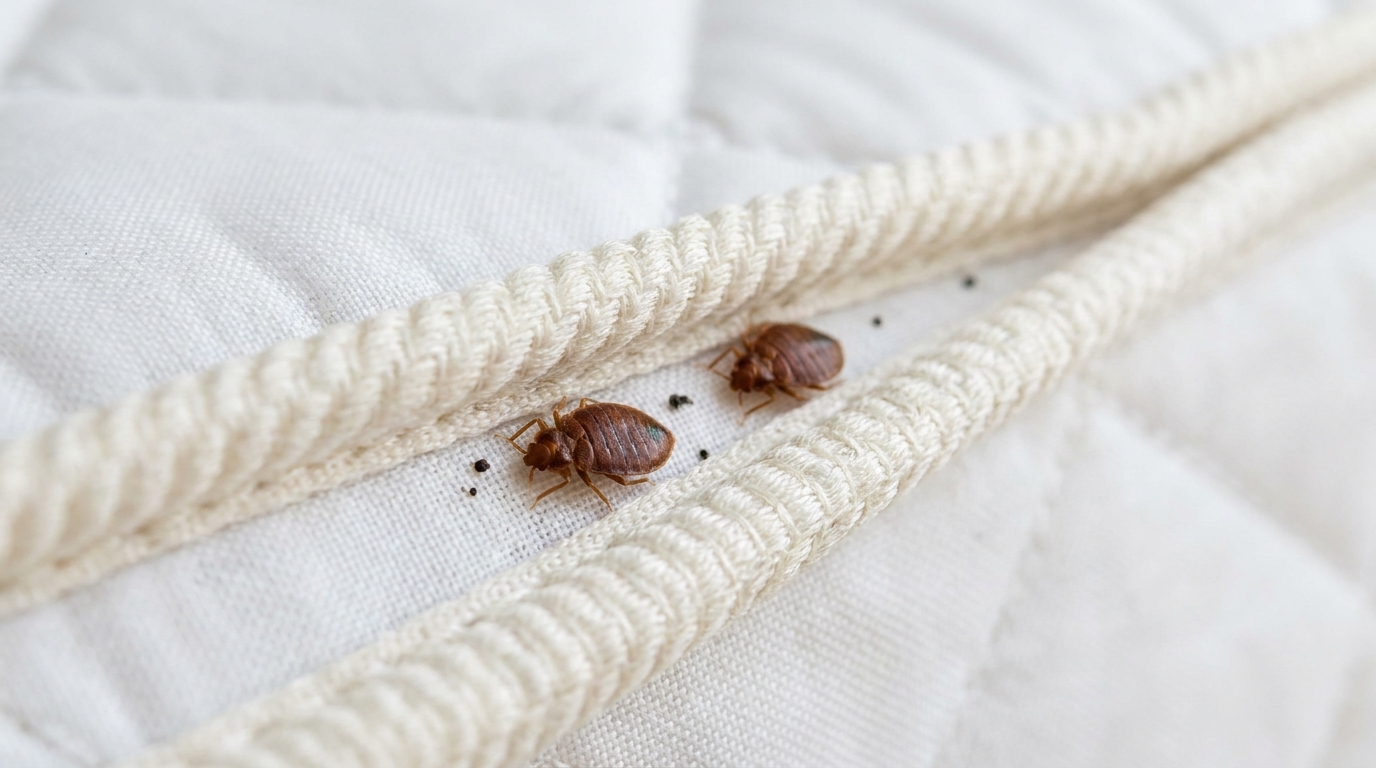
Every figure is a total for the whole building, so the report doesn’t say which apartments had bed bugs. Getting the figures right means asking. The Housing Maintenance Code says owners “shall attempt to obtain” each unit’s bed bug history for the year from its tenant or owner. HPD’s FAQ adds that even when a tenant won’t share, you must use “best efforts” to get information from every unit. If a figure changes after you file, the code lets you submit an amended report at any time.
How Do Owners File the NYC Bed Bug Report Between December 1 and 31?
HPD sets the window: December 1 to 31, for the previous November 1 through October 31. You file online through the link on HPD’s bed bug page, signing in to HPD’s filing portal. Filing is free. HPD warns that some companies contact owners asking significant fees to do it for them.
Your HPD property registration has to be current, or HPD won’t accept the report. Registration is a separate yearly filing, so check yours before December.
Corporate owners, including LLCs, co-ops and condo corporations, must file online, and HPD rejects their paper reports as noncompliant. Owners registered as individual or joint owners can use HPD’s paper form instead if they lack email or computer access. HPD rejects a paper form with any box left blank, and it sends a receipt once it processes a complete one. An owner with several buildings can file for all of them under one login, HPD’s FAQ says.
How Does an NYC Owner Share the Bed Bug Filing With Tenants?
Once you file, HPD gives you a filing receipt, and it has to reach your tenants. When you file, you also certify which way it will:
- Hand it out: give each tenant a copy when a new lease starts and with each renewal lease. HPD’s FAQ applies this to leases that begin after you file.
- Post it: put it up in “a prominent public location” in the building, in the Housing Maintenance Code’s words.
Either way, NYC Health’s bed bug guide goes along with the receipt, and HPD’s bed bug page links the one to use. HPD’s FAQ says to keep a record of how tenants got the report, and that owners can’t make their own version of the receipt. If you post, the Housing Maintenance Code also has you keep a record that it went up within 60 days of filing.
Posting can also be digital. Since February 2, 2026, HPD’s rules let an owner who posts use a digital sign for the receipt and the guide. The sign has to meet HPD’s sign standards, and paper copies go back up whenever it stops working. Choosing it also means using digital signs for several other notices HPD’s rules require.
HPD publishes the filing too. Under Local Law 69 of 2017, HPD must make the latest report public on its website within 30 days of receiving it. Anyone can then find it by searching the building’s address on HPD Online. For the renter’s side of that search, see how to look up a building’s bed bug history before signing a lease.
Bed bugs in an NYC apartment you own?
Our technicians turn up in uniform and put booties on before they come through your door.
Is the Bed Bug Annual Report the Same as the Lease Disclosure Form in NYC?
No. They’re separate duties, each with its own form and its own trigger.
| Question | Bed Bug Annual Report | Form DBB-N |
|---|---|---|
| Whose form is it? | HPD’s | DHCR’s |
| What does it cover? | The previous November through October, for the whole building | The past year, for that apartment and its building |
| Who gets it? | HPD first, then tenants through the receipt | Each tenant signing a vacancy lease |
| When? | Filed each December, then handed out at new leases and renewals, or posted | At the vacancy lease |
Form DBB-N comes from the state Division of Housing and Community Renewal (DHCR), and the Housing Maintenance Code requires it at each vacancy lease. Its boxes run from no bed bug history in the past year to infestations in the building or apartment, treated or not. Both you and the tenant sign it.
A tenant who never got the notice can complain to DHCR in writing. The Housing Maintenance Code then has DHCR order the owner to provide it.
What Happens When an NYC Building Misses the Bed Bug Annual Report?
HPD can issue the owner a violation for not filing. HPD’s February 2023 bulletin to owners said violations for not filing were being issued starting March 2023. The same bulletin said a late filer could still file, and the violation would then be dismissed automatically, with no separate certification. HPD’s FAQ and filing form mention the violation but give no fine amount.
A missed year also shows. A building’s page on HPD Online lists its violations and its annual bed bug reports, per NYC311. So a year with no report, or a violation for not filing, is visible to any tenant or buyer who looks the building up.
What they see is the owner’s own count. A zero in the infested count means the owner reported no infested units for that period. NYC Open Data, which carries the same filings, calls the information self-reported. For those filings added up borough by borough, see what HPD’s bed bug data shows for the Bronx.
When Should an NYC Landlord Bring In a Bed Bug Exterminator?
As soon as a tenant reports bed bugs, not when December comes around. HPD’s bed bug page says the Housing Maintenance Code and the Health Code both require owners to address infestations promptly. It also says New York State law requires owners to use only DEC-licensed pest control professionals to treat apartments for bed bugs. DEC is New York State’s Department of Environmental Conservation.
So, for example, a super without a DEC license shouldn’t be the one treating apartments for bed bugs. HPD also expects owners to make follow-up visits to check that the bed bugs are gone.
NYC Health’s advice to owners covers the neighbors too. When an apartment has bed bugs, it says to notify the units across from, above and below it. It also says tenants should get advance notice before pesticides are used.
If an owner doesn’t act, tenants can complain to 311, and HPD may send an inspector. If the inspector sees live bed bugs, the owner gets an HPD Notice of Violation and an Order of the Commissioner from NYC Health. That order’s requirements include:
- Inspect the apartment cited for bed bugs.
- If it has bed bugs, inspect the units next to, above and below it, plus all common areas.
- In that case, also hire a pest management professional certified and registered by DEC to remove them.
- Keep a record of everything you do to comply.
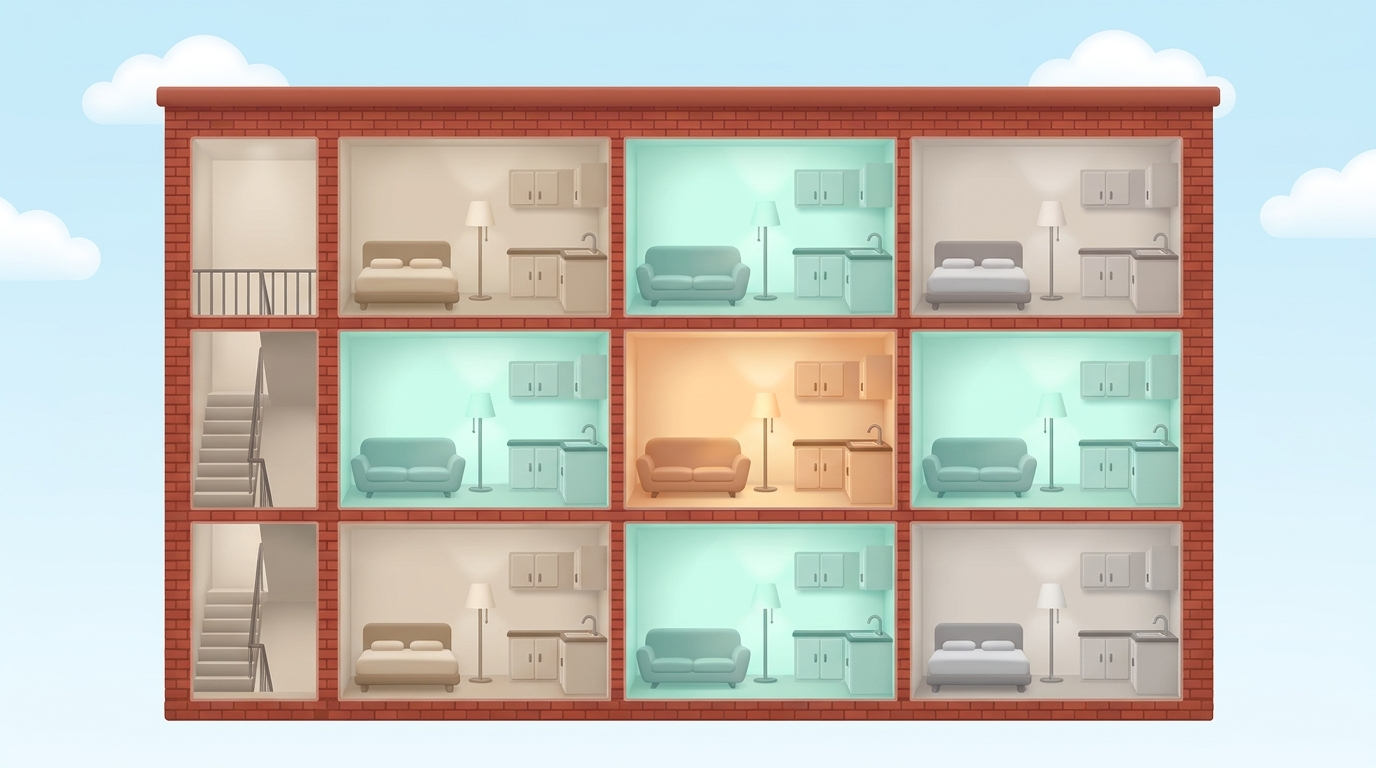
You then certify the correction to HPD with a sworn statement. This violation is for live bed bugs an inspector confirmed, separate from the one for not filing.
For what the treatment involves, prep included, see getting rid of bed bugs without heat in NYC. If you’re calling for several buildings, property management pest control is the place to start. For a building in Queens, start with bed bug exterminators in Queens.
The Bottom Line on the NYC Bed Bug Annual Report
If your NYC building is a multiple dwelling, the report runs on records you keep all year. Note each tenant report and each treatment as it happens, and the counts are ready when the window opens. In December, you then copy those totals into HPD’s form.