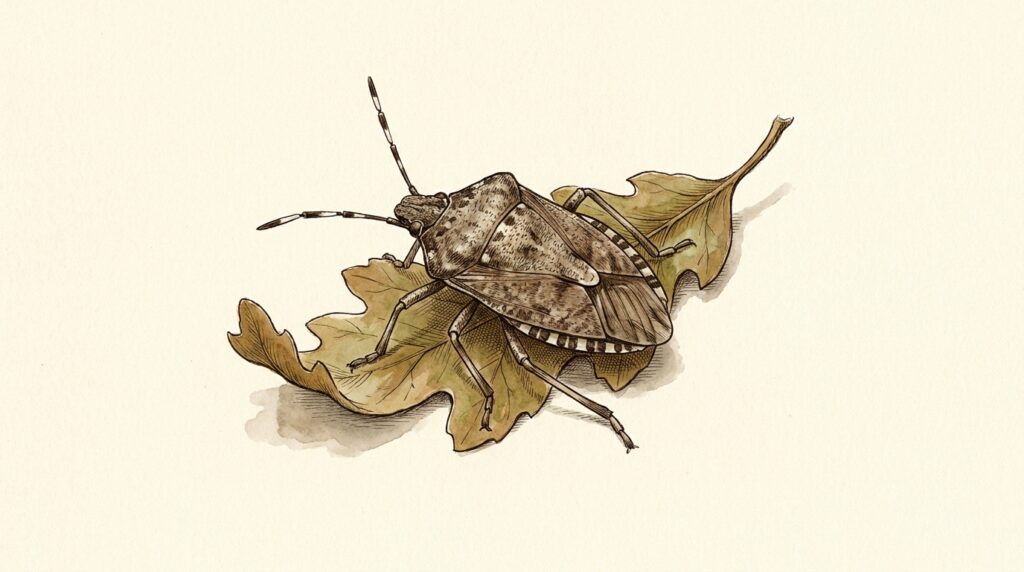
Every September, our phones start ringing with the same description: brown, shield-shaped bugs showing up on window screens, clustering on the sunny side of the house, and turning up inside on the sill or the ceiling. These are brown marmorated stink bugs, and the timing isn’t a coincidence — as the weather cools, they push toward buildings looking for a warm place to spend the winter. We’ve spent 26+ years sealing homes across Nassau and Suffolk County against exactly this kind of fall invader, and this guide covers what actually works: how to get rid of the stink bugs already inside, why you should never squish one, and how to seal your home before the next warm afternoon sends another wave toward your siding. If you want the exclusion work done professionally before the fall push hits, our Long Island pest control team handles this every year.
Stink bugs are a nuisance pest, not a dangerous one. They don’t bite, they don’t breed indoors, and they won’t chew through your walls or wiring. What they will do is show up by the dozens on a warm September or October afternoon, work their way through gaps you didn’t know you had, and then reappear on unseasonably warm days in January or March when they think it’s time to wake up. The fix isn’t a single spray — it’s a combination of removing the ones that are already in, handling them correctly so you don’t create a bigger mess, and sealing the entry points before the next batch arrives.
Stink bugs invading your Long Island home?
26+ years sealing Long Island homes against fall pest invaders, with exterior exclusion and perimeter treatment and no annual contracts, plus a free estimate when you book.
How Do You Get Rid of Stink Bugs Already Inside Your Long Island Home?
If you’re already finding stink bugs on your curtains, in a window well, or wandering across the ceiling, the goal is simple removal — not a chemical treatment. A vacuum cleaner is the fastest tool for the job. Run the hose over the bug, empty the canister or bag outside right away, and expect a faint stink-bug smell to linger in the vacuum for a day or two — that’s normal and it fades. If you’d rather not run the vacuum, a jar or cup of soapy water works nearly as well: drop the bug in, and the soap breaks the surface tension so it can’t climb back out.
For bugs you catch on the move — say, one crawling up a wall before it clusters — a plastic container with a lid is an easy option. Trap it, seal the lid, and set it in the freezer for a day or two before disposing of it outside. It’s a low-mess way to euthanize a bug without ever having to crush it, and it’s a method entomologists at the University of Maryland Extension have recommended specifically because it avoids the odor problem entirely.
One thing we tell every homeowner: don’t reach for a can of general household insecticide and spray it on bugs that are already inside your living space. According to Penn State Extension, spraying insecticide into cracks and crevices where stink bugs are hiding won’t stop more of them from emerging, and treating bugs that have already moved into wall voids or attic spaces isn’t recommended — killing large numbers in a void can actually draw in carpet beetles that feed on the dead insects and then move on to wool rugs, stored linens, or other natural-fiber items. Removal by hand, vacuum, or trap is the safer play for anything already indoors.
Why Shouldn’t You Squish a Stink Bug Inside Your NYC Home?
It’s tempting to just step on one or squash it with a paper towel, but that’s the one method we’d actively steer you away from. Stink bugs carry scent glands on the underside of the thorax and the top of the abdomen, and when the bug is crushed, disturbed, or even just handled roughly, those glands release the sharp, cilantro-like odor the insect is named for. The smell doesn’t just clear the room for a minute — it can linger in carpet fibers or fabric, and the compound has been known to leave a faint stain on light-colored upholstery, walls, or curtains if the bug is smashed directly against them.
There’s a second reason to avoid crushing them in bulk: the U.S. EPA notes that large numbers of stink bugs can enter a structure over the course of a fall season, sometimes by the hundreds or thousands in homes with established gaps, and squashing them by hand one at a time isn’t a practical control method anyway — it just multiplies the odor problem without solving the underlying entry issue. Vacuum them, drop them in soapy water, or freeze them in a sealed container. Any of those beats a paper towel and a shoe, and none of them leaves you airing out the room afterward.
When Should You Start Stink Bug Prevention on Long Island and in NYC?
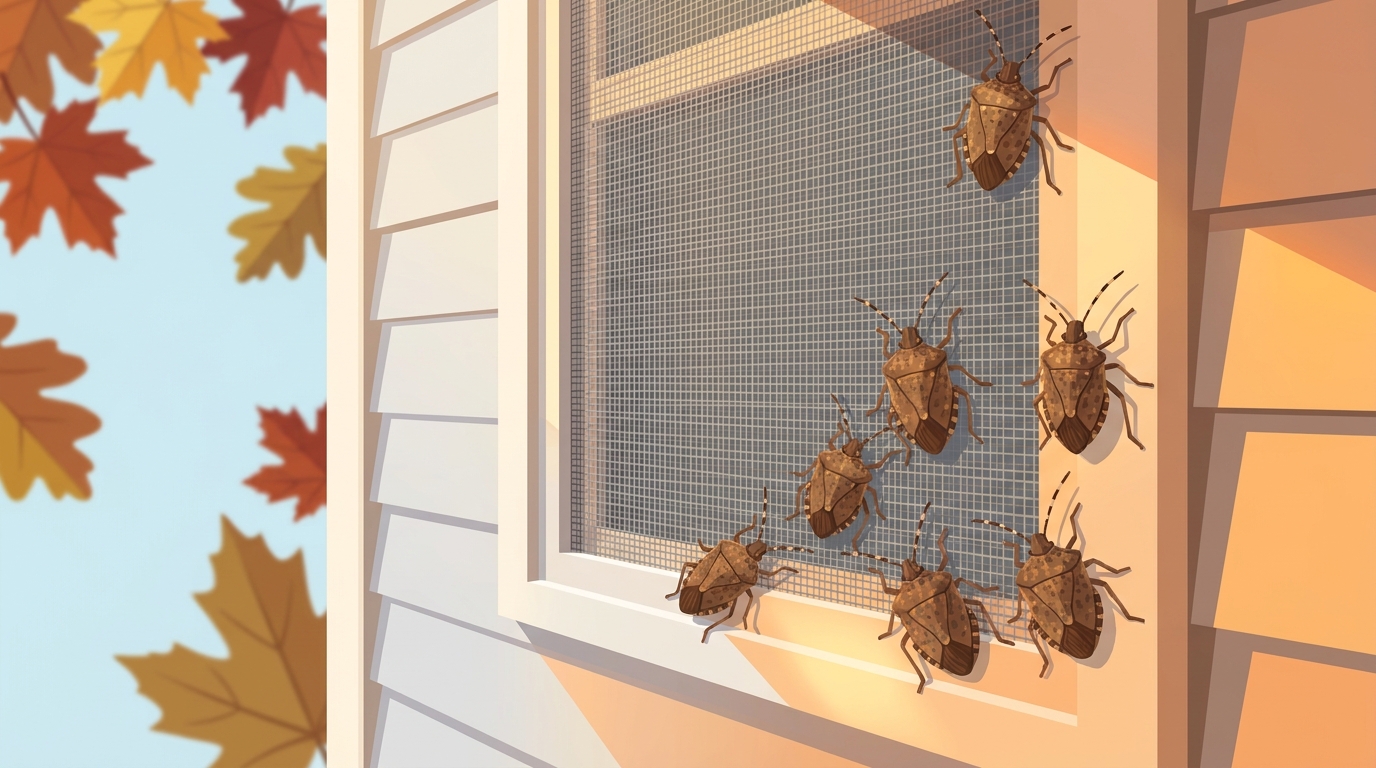
Brown marmorated stink bugs follow a predictable seasonal pattern. Adults are active outdoors through summer, feeding on ornamental plants, garden vegetables, and fruit trees. Once temperatures start dropping in September, they begin searching for overwintering sites — and a house, garage, or shed looks just as good to them as a hollow tree. Penn State Extension notes that this search for shelter typically runs from September through October, which means the two- to three-week window right now, before the first hard cold snap, is the highest-leverage time to seal a home.
The pattern doesn’t end when winter arrives, either. Stink bugs that make it into a wall void or attic go dormant, but a warm, sunny day in January, February, or even March can wake them up enough to wander into living space looking for light — which is why homeowners sometimes report a “second wave” indoors well after fall is over. Sealing now prevents both the fall surge and the mid-winter stragglers.
This is a heavier problem on Long Island than in most of the five boroughs — detached homes with more exterior wall area, siding, soffits, and attic space simply give stink bugs more square footage to find a gap. Suburban Nassau and Suffolk homes see the bulk of our fall stink bug calls, and our Suffolk County home pest control visits typically pair stink bug exclusion with the same perimeter work we’re already doing for ants and mosquitoes. That said, it’s not exclusively a Long Island problem — outer-borough homes in Staten Island, eastern Queens, and the Bronx with siding and yards see meaningful pressure too, just usually less than fully detached suburban properties. For a look at what to watch for earlier in the year, see our NYC summer pest calendar.
How Can You Keep Stink Bugs Out of Your House This Fall?
Exclusion is the real fix for stink bugs — not a spray, a seal. Every gap a stink bug can use to get behind your siding or into your attic is a gap worth closing before the fall push starts. The EPA’s home-invader guidance and Penn State Extension both point to the same handful of entry points as the ones that matter most:
| Area | What To Do |
|---|---|
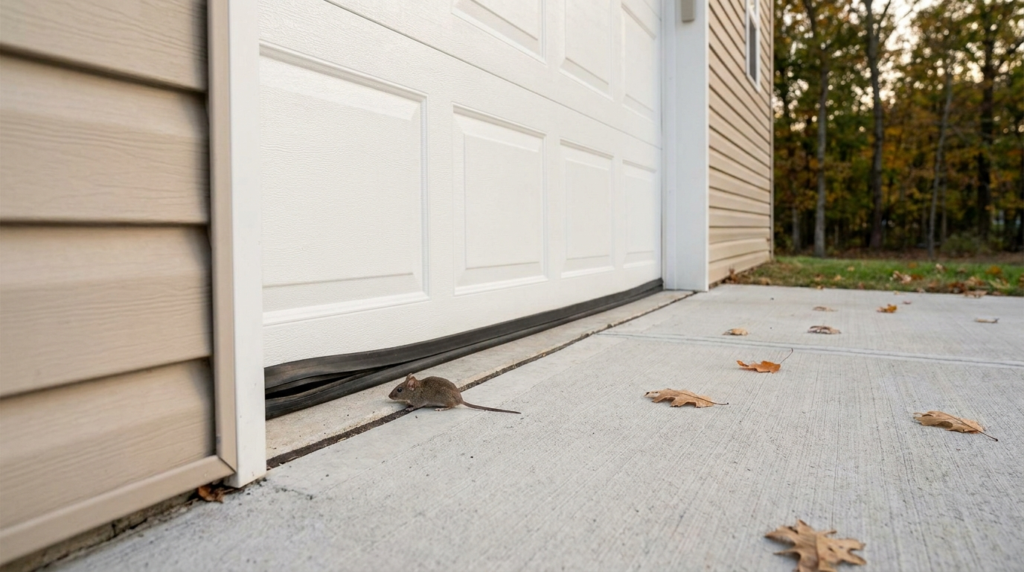
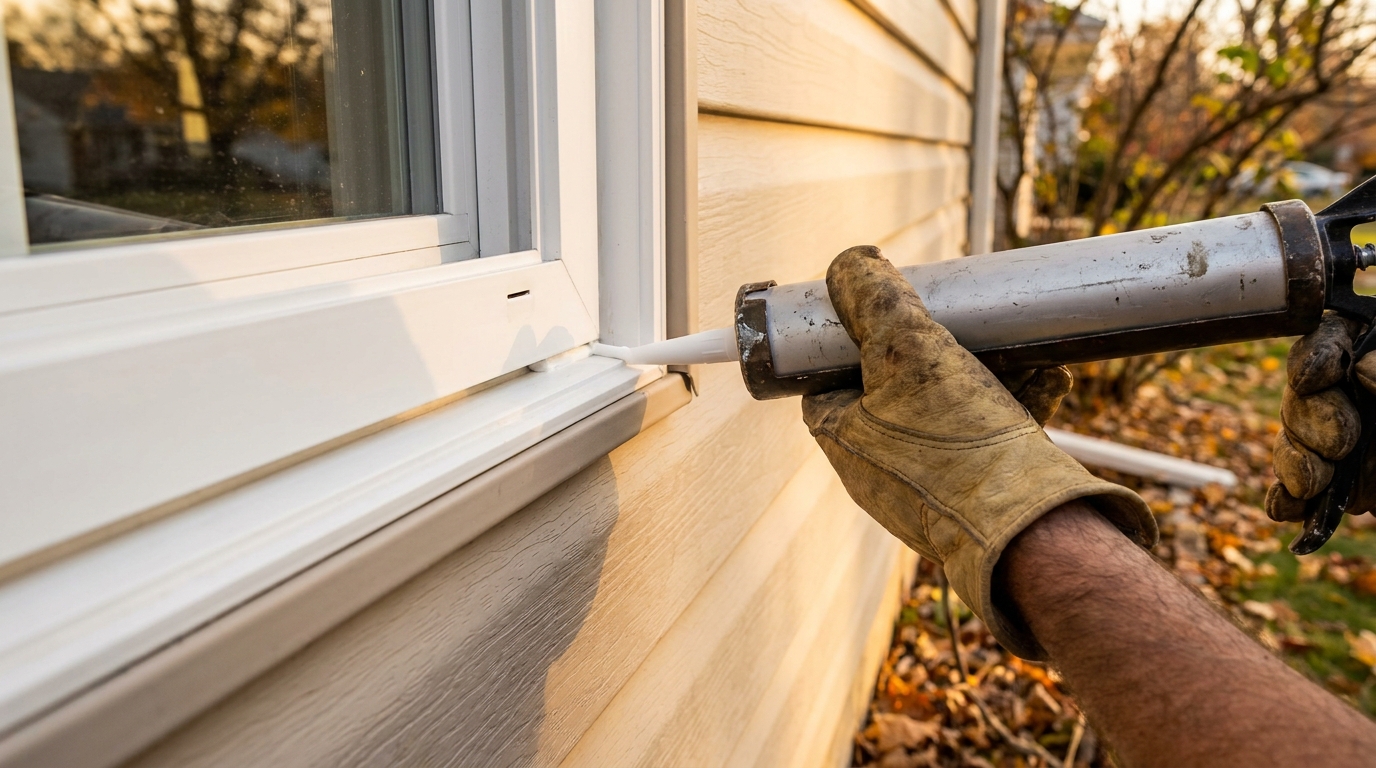
| Windows and doors | Caulk gaps around frames inside and out; replace worn weatherstripping and add door sweeps if daylight shows under the door |
| Window and door screens | Repair or replace torn screens — stink bugs can push through even small holes or gaps at the frame |
| Attic and foundation vents | Cover with fine mesh screening; stink bugs strongly prefer attics as overwintering sites |
| Utility penetrations | Caulk small gaps around pipes and wiring where they pass through the foundation or siding; pack larger gaps with steel wool before caulking |
| Chimney | Cap or screen the top opening |
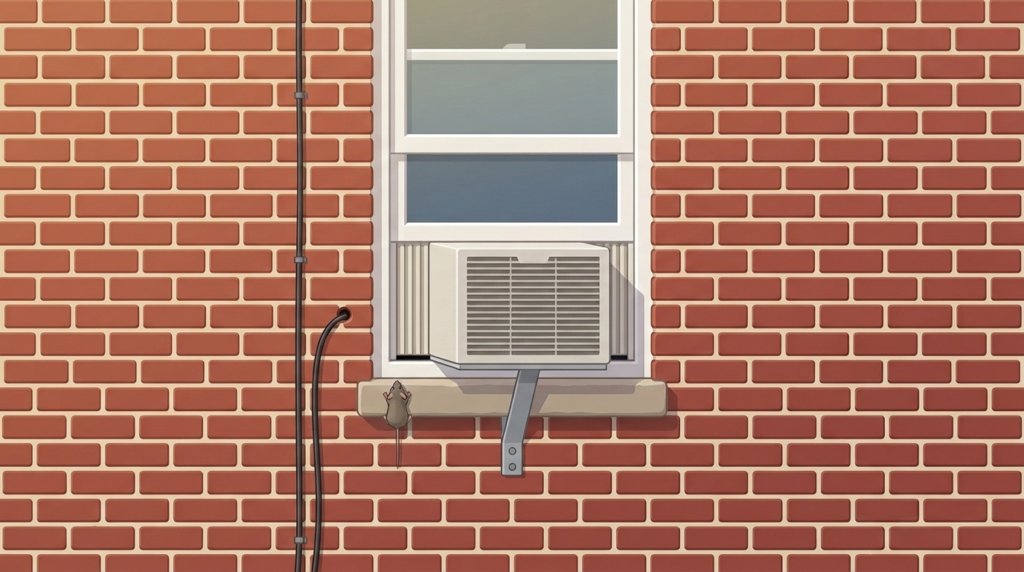
| Window AC units | Seal gaps around the unit frame; cover units left in place for winter |
| Siding and fascia | Inspect for gaps under fascia boards and around soffits, especially on the sun-facing side of the house where bugs cluster first |
Work through that list before the first cold snap and you’ll cut off most of the routes stink bugs use to get inside. It’s the same exclusion-first approach we use for mice and other fall invaders — seal it once, and it keeps working long after any spray would have worn off.
Should You Spray Pesticide Outside to Stop Stink Bugs on Long Island?
An exterior perimeter treatment can help knock down the population that’s actively trying to get in, but it’s a supplement to sealing, not a substitute for it. Penn State Extension is direct about this: exterior insecticide applications break down quickly in sunlight, so the residual effect may only last a matter of days before bugs are moving through the same gaps again. A DIY perimeter spray from a hardware store can offer short-term relief around a doorway or a known cluster point, but it won’t stop the next warm afternoon from sending in a new wave through an unsealed gap.
Where a professional exterior treatment earns its keep is on established landscaping and structural cracks that are harder to fully seal — foundation plantings, stacked stone, older mortar joints, and areas where caulk alone won’t close the gap. Our technicians typically pair a fall perimeter application with exclusion work using family and pet-friendly, labeled residential products — a professional-grade liquid perimeter product along the foundation line and siding base, with a targeted dust application worked into wall voids and gaps where bugs are actively staging — timed for right before the seasonal push rather than after bugs are already inside. That combination targets the bugs trying to get in without the drawbacks of treating a void that’s already full of insects.
Can Homemade Traps Remove Stink Bugs From a Long Island Porch and Windows?
Ready for exclusion before the fall push?
We seal windows, vents, siding gaps and chimneys against fall invaders and pair it with perimeter treatment, with no annual contracts and a free estimate when you book.
If stink bugs are gathering on a sunny window, a porch screen, or a specific stretch of siding before they’ve made it inside, a simple homemade trap can thin the crowd. The National Pesticide Information Center notes that a light trap — a pan of soapy water with a lamp angled over it at night — draws stink bugs in and drowns them, and it’s a low-cost option for a porch or screened-in area where they’re gathering in numbers. It won’t clear a whole yard, but it takes a visible bite out of a cluster without any chemicals.
For the bugs actively on the move along a windowsill or door frame, the freezer method works just as well outdoors as it does indoors — trap them in a sealed container, freeze for a day or two, then dispose of them away from the house. What doesn’t help much: essential-oil sprays or vinegar mixes some sites recommend. They may repel a few bugs from a treated surface temporarily, but they won’t touch a population that’s already staging on your siding, and reapplication after every rain gets old fast. Traps and repellents are worth trying on a porch or patio where you’re just trying to keep a sitting area comfortable — they’re not a substitute for the exclusion work that actually keeps the bugs out of the house itself.
When Should You Call a Pro to Treat a Stink Bug Problem on Long Island or in NYC?
DIY sealing and removal handles most stink bug situations, but a few signs mean it’s worth bringing in professional pest control across NYC and Long Island instead of working through it alone:
- You’re finding a dozen or more bugs a day inside, which usually means an established overwintering pocket in a wall void or attic, not just a few stragglers finding an open gap
- The exterior of your home is drawing large visible clusters on siding, and DIY caulk and screen repairs haven’t slowed it down
- You have hard-to-reach entry points — high fascia, older chimney flashing, or an attic you can’t safely access — where sealing needs a professional inspection first
- You want the exclusion work paired with a timed exterior perimeter application before the fall push, rather than reacting bug by bug all season
A first visit runs about $275 plus tax for a single-family home, and it’s the same inspection-first approach we use for other seasonal pests — and since mosquitoes are the other big warm-season headache out here, you can also read our Long Island mosquito season guide. For homeowners who’d rather have the whole exterior checked once a season instead of calling every time a new pest shows up, our seasonal plan runs about $700 a year for four visits with unlimited callbacks in between.
The Bottom Line on Stink Bugs on Long Island and in NYC
Stink bugs are a nuisance, not a structural threat — they don’t bite, they don’t breed indoors, and they won’t damage your home. But the fall push is real, it’s predictable, and the fix is almost entirely about exclusion. Vacuum or trap the ones already inside instead of squishing them, seal the windows, vents, chimney, and siding gaps before the first cold snap, and lean on a perimeter treatment for the spots caulk can’t reach. Get that work done in the next few weeks and you’ll spend a lot less time chasing bugs off your ceiling in October — and a lot less time explaining the smell in November. If you’d rather have our team handle the sealing and the perimeter treatment together, we’re already booking fall exclusion visits across Nassau and Suffolk County and the five boroughs.