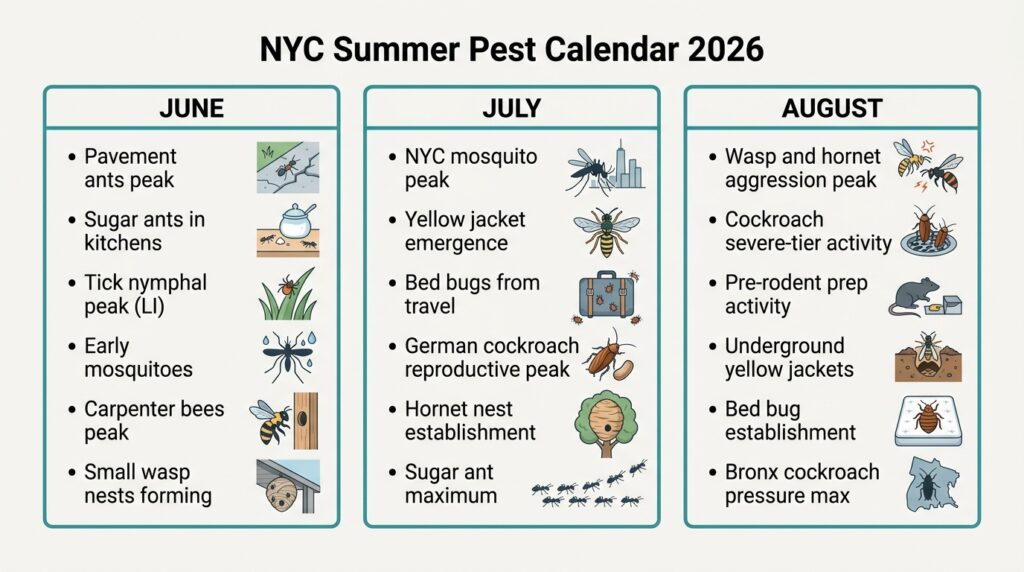
NYC summer pest pressure isn’t random — it follows a predictable month-by-month pattern driven by temperature, humidity, breeding cycles, and tenant behavior. After 26 years running NYC pest control routes, our team has built our entire seasonal program around this calendar. June is ant peak, July is mosquito and yellow jacket peak, August is cockroach and wasp peak, and September is the early-warning month for fall rodent prep. Knowing which pest peaks when changes your treatment timing — and the difference between treating proactively in week 1 of peak season versus reactively in week 6 is roughly 3x the cost.
This guide is the comprehensive NYC summer pest calendar for June, July, and August 2026, covering which pests peak each month across all five boroughs, what NYC homeowners and tenants should do each month, when to schedule professional treatment for best results, and how borough-specific dynamics change the pressure. If you’d rather skip the calendar and book professional NYC pest control for a free seasonal inspection across any pest category, our front-office team can usually book a same-day inspection. Read on for the month-by-month plan.
NYC summer pests already in your apartment?
26+ years treating NYC summer pest pressure. Same-day service across all five boroughs, ant + cockroach + wasp + mosquito + bed bug + rodent expertise, no annual contracts, and a free inspection that's waived when you book.
What NYC Pests Peak in June: Ants, Ticks, and Early Mosquitoes
June is the transition month from spring to full summer pest pressure in NYC. The species peaking in June across our service area:
- Pavement ants on NYC sidewalks and stoops. June through August is pavement ant high season. Sidewalk colonies expand aggressively, indoor foraging into ground-floor apartments increases, and “ant wars” (Tetramorium territorial battles) appear on Brooklyn and Queens sidewalks. For the DIY protocol, see our comprehensive NYC pavement ant guide.
- Sugar ants in NYC apartment kitchens. Odorous house ants (sugar ants) ramp up in June as kitchen activity increases and outdoor temperatures encourage indoor foraging. Pre-war NYC apartment kitchens see the heaviest June pressure. For the bait-only DIY method, see our NYC sugar ant guide.
- Carpenter ants in NYC brownstones and detached homes. Carpenter ant swarmers appear in late summer (August-September), but June is the inspection month — check brownstone fascia, cornices, and roof drains for damage. See our NYC brownstone carpenter ant guide for the inspection checklist.
- Long Island ticks (early Ixodes peak). Late May through mid-June is the nymphal Ixodes (blacklegged tick) peak on Long Island. This is the highest-risk lyme disease window of the year. Our Long Island tick control cost guide walks through yard treatment options.
- Early-season mosquitoes (post-Memorial Day). NYC mosquito populations establish in June. For Brooklyn and Queens homeowners with backyards, June is when to schedule first-of-season mosquito treatment.
- Carpenter bees on Long Island and outer-borough single-family homes. June is peak carpenter bee activity. New holes drilled, sawdust piles forming. Our Long Island carpenter bees guide covers the LI-specific damage pattern.
- Early wasp nest establishment. Paper wasps and yellow jackets establish nests in May-June. Small nests (under softball size) caught in June are dramatically cheaper to treat than the same nest in August.
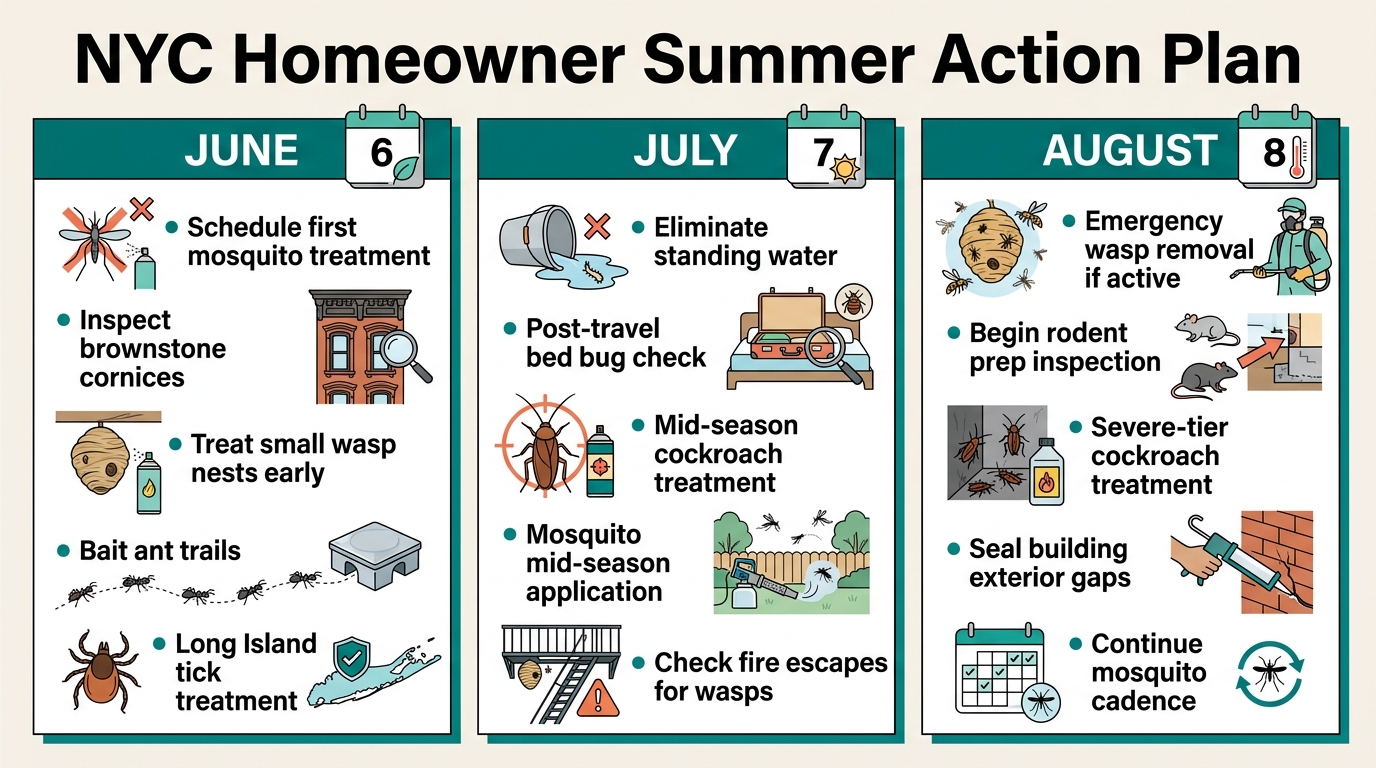
June action checklist for NYC homeowners and tenants: (1) Schedule first mosquito treatment for Brooklyn/Queens/Bronx backyards, (2) Inspect brownstones for carpenter ant damage, (3) For Long Island, schedule tick treatment before nymphal peak ends, (4) Treat small wasp nests before they mature, (5) Address any visible ant trails with bait, not spray.
Which NYC Pests Peak in July: Mosquitoes, Yellow Jackets, and Bed Bugs from Travel
July is peak summer in NYC — humidity, heat, and tourism combine to create the year’s most diverse pest pressure profile:
- NYC mosquito peak. Late July is mosquito peak in all five boroughs. Asian tiger mosquitoes (Aedes albopictus) dominate Brooklyn and Queens backyards. Standing water in containers, gutters, and bird baths becomes critical breeding habitat.
- Yellow jacket emergence in NYC yards. July marks yellow jacket transition from small spring nests to medium summer nests with hundreds of workers. Brooklyn brownstone yards, Queens row-home gardens, Bronx detached-home properties all see July yellow jacket pressure ramp. Our NYC yellow jacket DIY guide covers treatment timing.
- Bed bugs from summer travel. Bed bug introduction peaks during summer travel season — vacations, hotel stays, AirBnB hosts. NYC sees the highest bed bug introduction rates in July. For early detection, our NYC hotel bed bug inspection guide walks through the post-trip check.
- Pavement ant maximum activity. July is pavement ant maximum-activity month. Outdoor mound expansion, indoor foraging into ground-floor apartments, sidewalk “ant wars” at maximum frequency.
- Sugar ant kitchen activity peak. Hot kitchens + indoor humidity + summer food storage drive maximum sugar ant pressure in pre-war NYC apartments.
- German cockroach reproductive cycle peak. July’s warm humid conditions are ideal for German cockroach reproduction. Apartments with marginal cockroach issues in May/June see severe issues by late July.
- Hornet nest establishment. Bald-faced hornets establish nests in July. Catching small hornet nests early is dramatically cheaper than emergency August removal.
July action checklist: (1) Address standing water around the property for mosquito control, (2) Inspect for and treat small wasp/hornet nests before late-summer aggression, (3) Post-travel bed bug inspection of luggage and bedding, (4) Schedule mid-summer cockroach treatment if any activity visible, (5) For Manhattan apartments, check fire escapes for new wasp activity.
What NYC Pests Peak in August: Wasps, Cockroaches, and Late Summer Rodent Prep
August is the most aggressive pest month in NYC. Late-summer colony maturity, food scarcity transitioning to rodent prep season, and the year’s most aggressive wasp behavior:
- Wasp and hornet aggression peak. Late July through September is peak wasp and hornet aggression season. Nest sizes reach maximum (1,000+ workers for bald-faced hornet nests), and food scarcity shifts wasps from insect prey to scavenging at outdoor dining. ER visits from sting events peak this month. Our NYC wasp and hornet nest removal cost guide covers professional removal pricing.
- NYC cockroach severe-tier activity. German cockroach populations that started in spring reach maximum density in August. Daytime sightings become common (signaling severe infestation). For cost data, see our NYC cockroach exterminator cost guide.
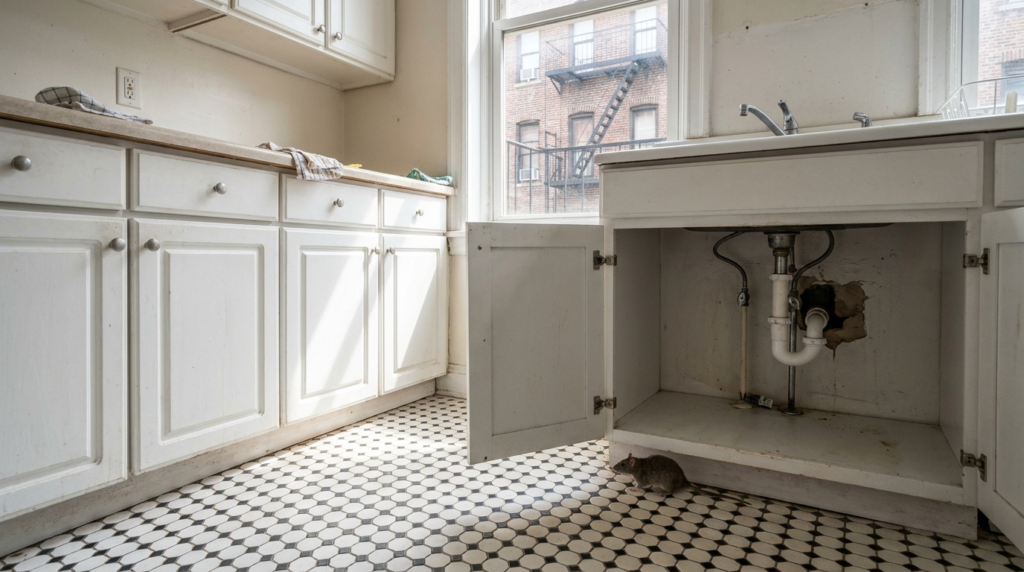
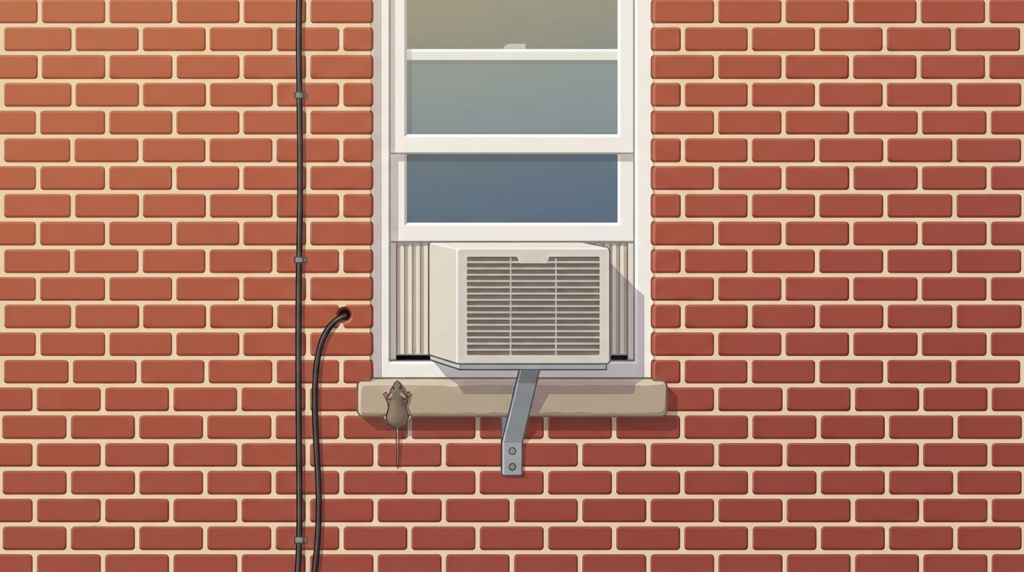
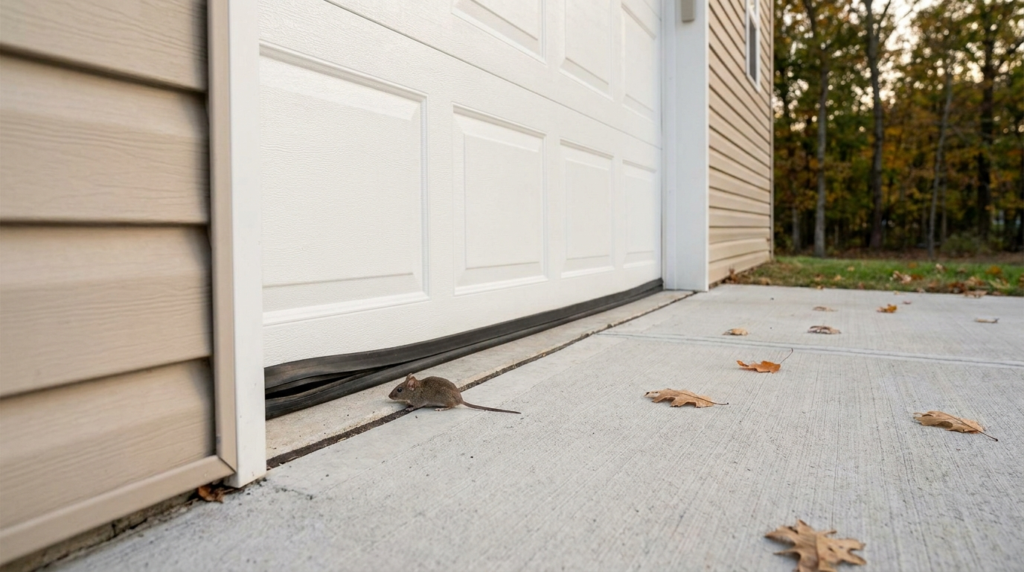
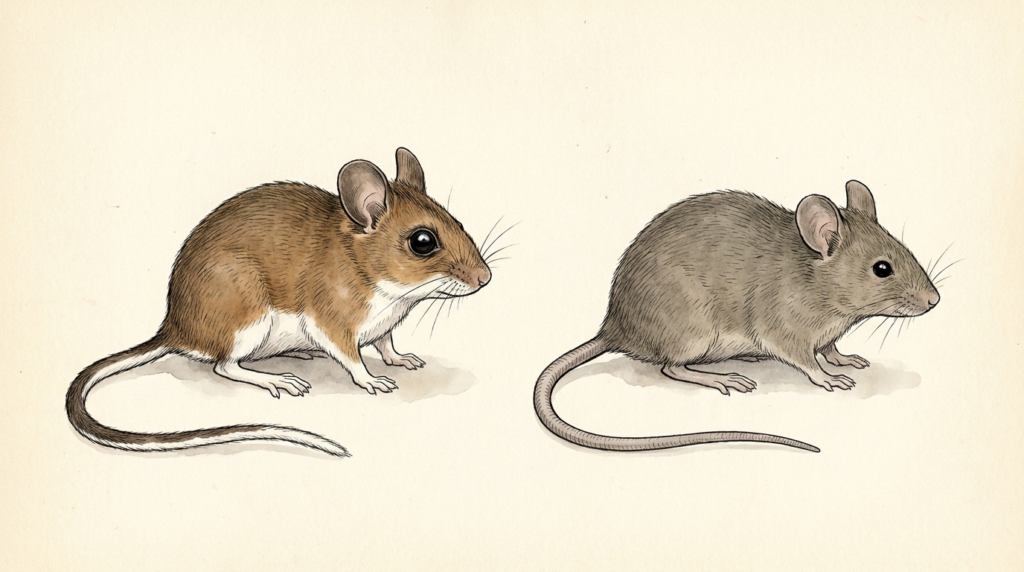
- Pre-rodent-season activity. Late August is when NYC rodent activity (mice and rats) begins preparing for fall harborage transition. Outdoor populations start exploring building exteriors. Our guide to signs of mice in NYC covers early-warning indicators, and our Queens-specific mice guide covers borough patterns.
- Yellow jacket maximum colony size. Yellow jacket colonies reach 1,000+ workers by August. Underground yellow jacket nests in NYC yards and tree pits become highest-risk for accidental stings from lawn mowers and outdoor activity.
- Bed bug establishment from July introductions. Bed bugs introduced during July travel become established colonies by late August. First-sighting calls peak in late August. For the chemical-only treatment alternative, see our NYC bed bugs without heat guide.
- Pharaoh ant satellite colony spread. NYC high-rises and apartment buildings with pharaoh ant issues see satellite colony spread in August. Critical not to spray these — only professional bait protocols work.
- Bronx cockroach pressure maximum. Bronx pre-war walk-ups see maximum German cockroach pressure in August. Our Bronx cockroach guide covers borough-specific dynamics.
August action checklist: (1) Schedule wasp/hornet removal immediately for any visible nests — don’t wait, (2) Begin pre-fall rodent inspection for entry points, (3) Mid-to-late-August cockroach treatment for any moderate+ infestations, (4) Continue mosquito treatment cadence through August, (5) Any new bed bug evidence requires same-week professional inspection.
NYC summer pests already in your apartment?
26+ years treating NYC summer pest pressure. Same-day service across all five boroughs, ant + cockroach + wasp + mosquito + bed bug + rodent expertise, no annual contracts, and a free inspection that's waived when you book.
What Should NYC Homeowners Do for Pest Prevention Each Summer Month?
Beyond pest-specific timing, here’s the comprehensive month-by-month NYC summer homeowner and tenant action plan:
| Month | Inspection priority | Treatment priority | Prevention priority |
|---|---|---|---|
| June | Brownstone fascia/cornices, fire escapes, basement sill plates | First mosquito treatment, small wasp nests, ant trails | Eliminate standing water, seal outdoor food sources |
| July | Wasp/hornet nests, German cockroach kitchen activity, post-travel bed bug check | Mosquito mid-season application, mid-summer cockroach treatment | Address kitchen humidity, inspect luggage post-travel |
| August | Late-summer wasp aggression, pre-fall rodent entry points, cockroach severity escalation | Wasp/hornet emergency removal, cockroach severe-tier treatment | Seal building exterior gaps, rinse outdoor trash, exterior baiting |
What’s a Smart NYC Quarterly Inspection Schedule for Summer Pest Prevention?
For NYC homeowners and tenants who want to stay ahead of summer pest pressure, our recommended quarterly inspection schedule:
- Late March / early April pre-season inspection. Exterior building inspection for entry points, basement check for overwintered carpenter ants and termites, attic check for rodent activity. Cost: $150-$200 standalone (free with service booking).
- Late June mid-season inspection. Wasp/hornet nest establishment check, ant pressure assessment, mosquito breeding source identification, brownstone cornice frass check.
- Late August late-season inspection. Pre-fall rodent inspection, cockroach severity assessment, late-summer wasp activity, fire escape and balcony pest activity check.
- Late October fall transition inspection. Rodent entry sealing, final mosquito assessment, winter prep, dormant period setup.
For most NYC owner-occupied brownstones and single-family homes, the seasonal plan we offer is $700/year covering 4 visits with unlimited callbacks. For comprehensive cost data across all NYC pest categories, see our comprehensive NYC pest control pricing guide.
How Do NYC Borough Differences Affect Summer Pest Pressure?
Each NYC borough has its own summer pest profile based on housing stock, density, and ecology:
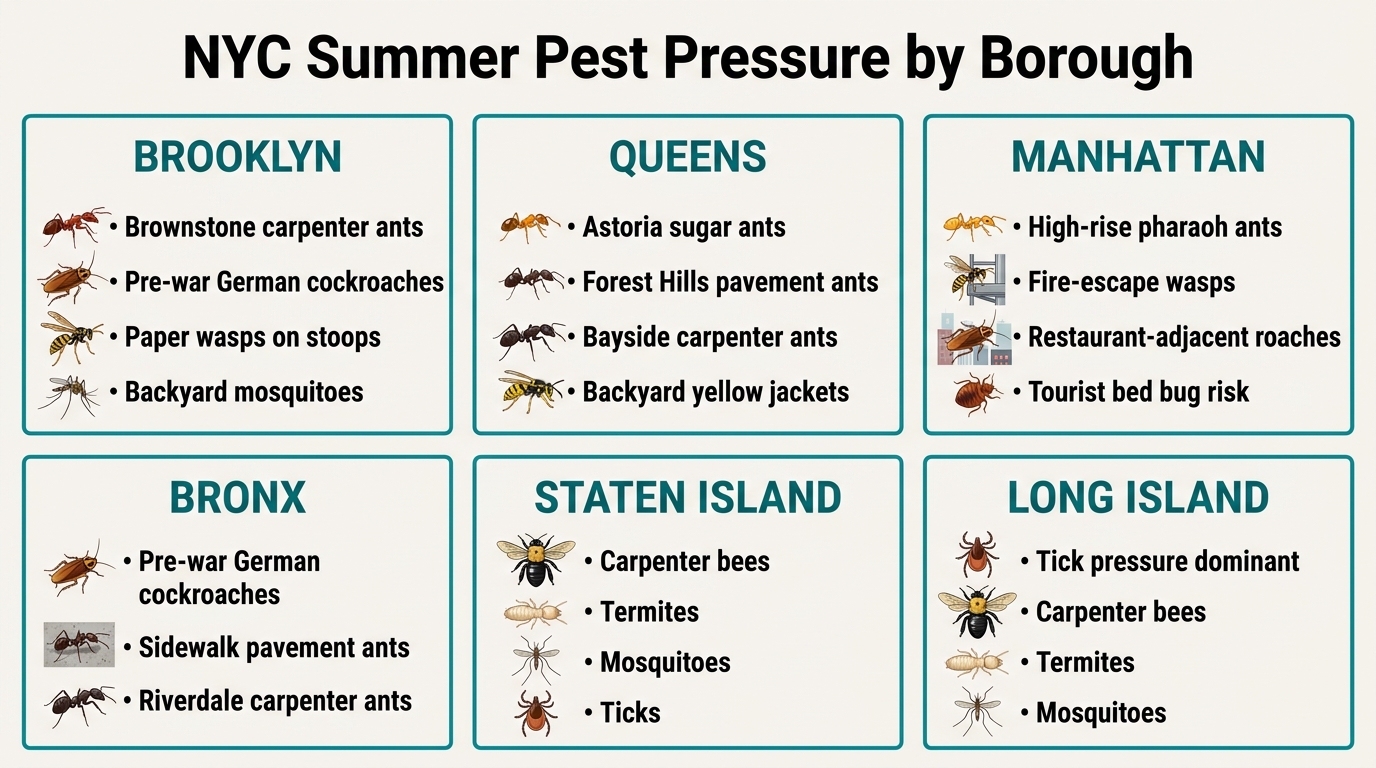
- Brooklyn. Brownstone-dominant. Carpenter ants in cornices, German cockroaches in pre-war walk-ups, paper wasps on stoops, mosquitoes in backyards. Park Slope, Bed-Stuy, Crown Heights have heaviest pre-war pest pressure.
- Queens. Most diverse pest profile. Sugar ants in Astoria walk-ups, pavement ants on Forest Hills row-home stoops, carpenter ants in Bayside detached homes, yellow jackets in backyards across all neighborhoods. Our Queens ants guide covers species by neighborhood.
- Manhattan. High-rise focused. Pharaoh ants in towers, fire-escape wasps, restaurant-adjacent cockroach pressure, bed bug introduction risk from tourism.
- Bronx. Pre-war walk-up dominant. Heavy German cockroach pressure (see Bronx cockroach guide), pavement ants on sidewalks, occasional carpenter ants in Riverdale detached homes.
- Staten Island. Single-family dominant. Carpenter bees, termites, mosquitoes, ticks (per Suffolk-adjacent ecology). Less apartment-pest pressure.
- Long Island (Nassau/Suffolk). Suburban/wooded. Tick pressure dominant (see LI tick control guide), carpenter bees (see LI carpenter bees guide), termites, mosquitoes, occasional carpenter ants.
When Should NYC Tenants Call a Pro vs DIY for Summer Pests?
For NYC tenants specifically, the DIY-vs-pro decision tree:
- Single-room contained ant problem caught early. DIY with bait works. Cost: $15-$40.
- Small accessible wasp nest under 10 feet up. DIY with retail aerosol after dark works. Cost: $10-$20.
- Mosquito backyard pressure. Pro treatment is far more effective. Cost: $150-$400 single visit.
- Cockroach activity beyond a single occasional sighting. Pro treatment is required for elimination. Cost: $250-$700.
- Any bed bug evidence. Pro treatment required — DIY almost never succeeds.
- Carpenter ant evidence (frass piles). Pro treatment required — colony is in inaccessible wall void.
- Multi-unit building with confirmed neighbor activity. Building-wide treatment required.
- Rodent activity (mice/rats). Pro exclusion + treatment for durability.
Who Pays for NYC Summer Pest Treatment — Tenant or Landlord?
If you rent in NYC, your landlord almost certainly owes the cost of pest treatment under New York’s Warranty of Habitability and the NYC Housing Maintenance Code. Per the city’s pest and pesticide laws, landlords must address pest infestations within defined windows after tenant complaint.
The escalation path that works in NYC:
- Notify landlord in writing (email creates a paper trail) within 7 days of first sighting.
- Call 311 if landlord doesn’t respond within 7 days. File a residential pest complaint.
- HPD inspects and issues a violation if pest activity is confirmed.
- Landlord must remediate within 30 days (24 hours for Class C cockroach violations).
- Check building’s HPD violation history at the HPD Online portal.
For NYCHA residents, pest control runs through NYCHA’s contracted pest management program.
The Bottom Line: Your NYC Summer Pest Action Plan
If you live in NYC and want to stay ahead of summer pest pressure: (1) book a late-June inspection to catch early ant + small wasp + brownstone carpenter ant evidence before peaks; (2) address mosquito breeding sources (standing water) by June for outer-borough yards; (3) schedule mid-July professional cockroach treatment if any activity visible; (4) book late-August wasp/hornet removal before late-season aggression; (5) begin September rodent prep with exterior building inspection.
For most NYC tenants, the summer pest year breaks down: ant pressure peaks late June, mosquito pressure peaks late July, wasp/cockroach pressure peaks late August. The seasonal plan that addresses all of them runs $700/year for a NYC apartment or single-family home — significantly cheaper than reactive treatment of each category. If you’d rather skip the calendar planning and have it handled by a team that’s treated NYC apartments and homes since 1999, our front-office team offers free same-day inspections across all five boroughs. Lisa or one of our front-office team can usually book a same-day visit, and the quote you get will itemize pest categories, treatment scope, visit schedule, and guarantee window — so you can compare against any single-pest specialist.